


Relocating a business is a significant milestone that can create exciting opportunities for growth, expansion, and improved operations. However, moving an office also comes with unique challenges. Valuable equipment, confidential documents, office furniture, and technology must all be transported safely while minimizing disruptions to employees and customers. Careful planning and professional support make all the difference when it comes to ensuring a successful relocation.
Businesses of every size benefit from a structured moving process. Whether relocating to accommodate a growing workforce or moving closer to clients, a well-organized office move helps companies resume operations quickly and avoid unnecessary stress.
Planning Is the Foundation of a Successful Move
Every efficient office relocation begins with a detailed plan. Professional movers work closely with businesses to understand the size of the office, the number of employees, and any special equipment that requires extra care.
Creating a moving timeline allows businesses to prepare each department in advance. Tasks such as packing, labeling, disconnecting equipment, and organizing workstations can all be scheduled to reduce confusion on moving day.
A comprehensive moving plan also helps identify potential obstacles before they become costly problems. From elevator reservations to parking arrangements and building access, every detail contributes to a smoother relocation.
Protecting Office Equipment During Transportation
Modern workplaces depend on technology to operate efficiently. Computers, monitors, servers, printers, and networking equipment are valuable investments that require careful handling throughout the move.
Professional movers use high-quality packing materials designed to protect fragile and expensive equipment. Common supplies include:
- Heavy-duty moving boxes
- Anti-static wrapping materials
- Bubble wrap for delicate electronics
- Protective moving blankets
- Secure straps for transportation
These materials help prevent scratches, impacts, and shifting while items are transported between locations. Proper handling significantly reduces the risk of damage and expensive repairs.
Organized Packing Improves Efficiency
Packing is much more than placing items into boxes. A systematic packing process ensures every item reaches the correct destination inside the new office.
Professional movers label boxes according to departments, employee workstations, or room assignments. This organized approach simplifies unpacking and allows staff to locate essential equipment immediately after arriving.
Rather than spending days searching through boxes, employees can focus on reconnecting devices and returning to their daily responsibilities.
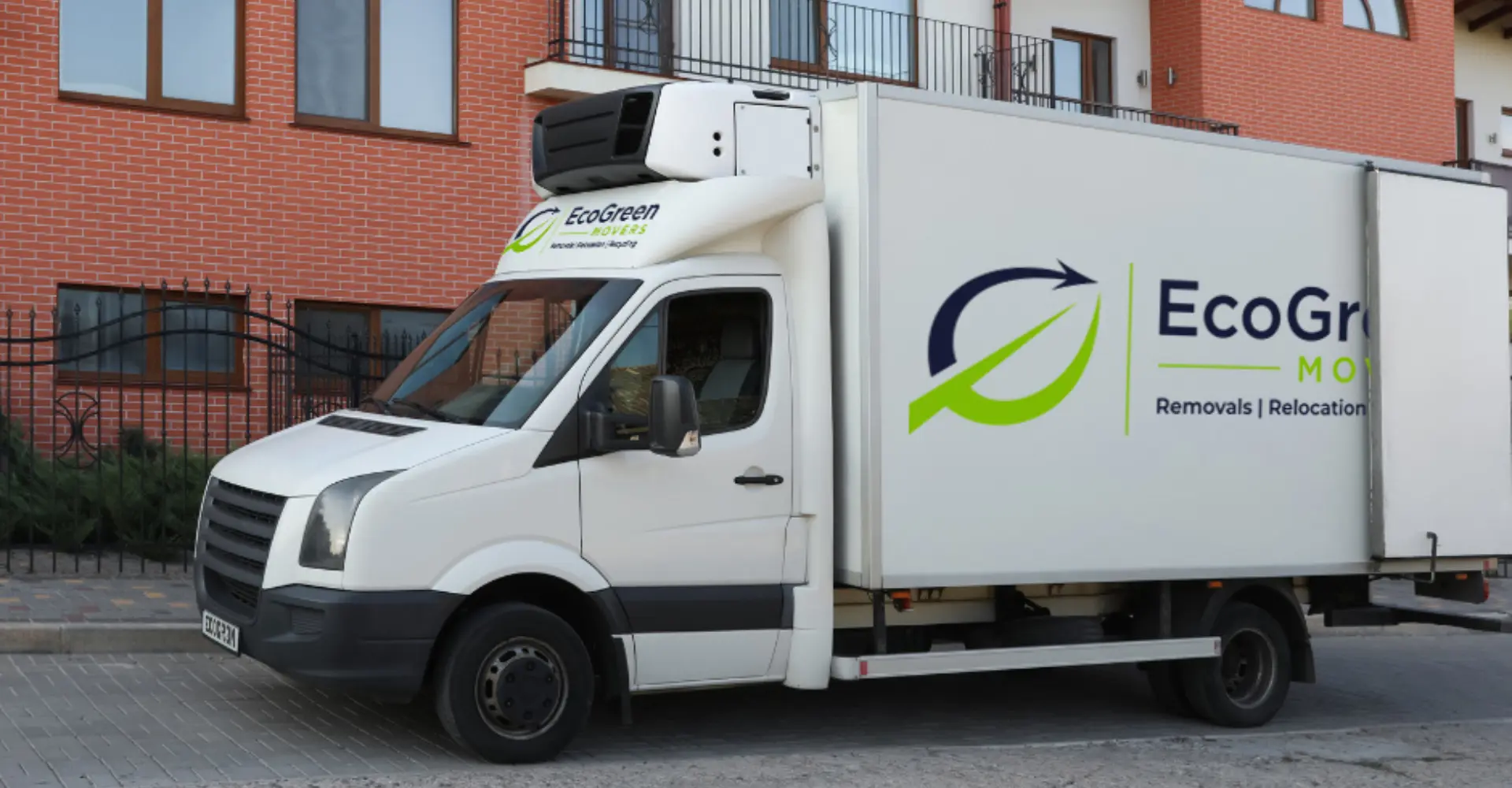
Around the middle of the relocation process, many businesses choose trusted professionals like EcoGreen Movers to coordinate the move efficiently. Their experience in commercial relocations helps businesses stay organized, protect valuable equipment, and reduce operational downtime throughout every stage of the transition.
Reducing Downtime Keeps Business Moving
One of the biggest concerns during an office relocation is lost productivity. Every hour spent moving instead of working can affect revenue, customer service, and ongoing projects.
Professional moving companies create schedules that minimize interruptions. Many businesses choose evening or weekend relocations so employees can leave one office at the end of the workweek and begin working in the new location with minimal delays.
By reducing downtime, companies maintain better relationships with clients while avoiding unnecessary disruptions to business operations.
Safe Moving Practices Protect Everyone
Office furniture and commercial equipment are often heavy, bulky, and difficult to transport safely without proper training. Attempting to move these items without the right tools increases the risk of injuries and property damage.
Professional movers use specialized equipment such as furniture dollies, lifting straps, ramps, and protective floor coverings to safely transport heavy items. Their experience allows them to navigate stairs, elevators, narrow hallways, and loading docks without causing damage to buildings or office assets.
Prioritizing workplace safety benefits both employees and business owners throughout the relocation process.
Efficient Transportation Ensures Timely Delivery
Reliable transportation plays an essential role in every successful office move. Commercial moving vehicles are designed to accommodate office furniture, electronics, filing cabinets, and other business equipment securely.
Professional drivers carefully load each vehicle to prevent shifting during transit. Proper weight distribution and secure fastening techniques help ensure everything arrives safely at the new location.
Efficient route planning also reduces travel time, helping businesses complete the relocation according to schedule.
Professional Setup Speeds Up Recovery
The work does not end when the moving truck arrives. Professional movers assist with unloading, furniture placement, and workstation setup according to the company’s floor plan.
Desks, conference tables, filing systems, and office equipment are positioned exactly where they belong. This organized approach enables employees to reconnect computers, organize workspaces, and resume normal operations without unnecessary delays.
A well-prepared office allows teams to become productive much sooner after the move.
Professional Relocation Creates Long-Term Benefits
Moving an office requires much more than transporting furniture from one location to another. It involves careful planning, secure packing, safe transportation, and efficient setup to ensure business continuity.
Working with experienced relocation professionals reduces stress while protecting valuable assets and minimizing operational disruptions. Businesses can focus on serving customers and supporting employees while experts handle the logistics of the move.
A carefully managed office relocation not only makes the transition easier but also sets the stage for future growth, improved efficiency, and long-term success in the new workspace.
