


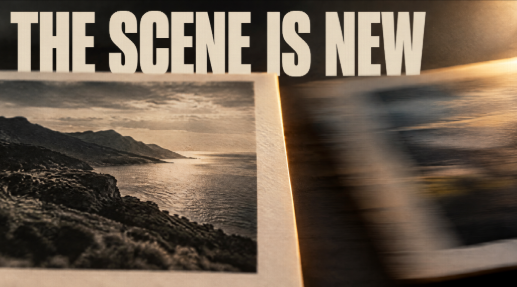
A still is a record of one moment. A pitch that says the same still becomes a personalised advert in under a minute, with a template and a higher conversion rate, is selling a different product. A video model takes the still as a guide and returns a new scene. This is that model: what it is, what the still is allowed to do, and what a second at 1080p costs. Nothing here is a timed test, and nothing here is a conversion figure.
What the model is
Topview T1 is the first video model Topview introduced. The page also calls it the newest. It generates the clip. Output is 720p or 1080p. The credit price they publish is for 1080p, and the page recommends 1080p for ordinary production.
The samples on the page are an animated short, a music-video performance, a night scene, a classroom confrontation, and a short challenge by the sea. They show the range the page is offering. They are not a score against another model, and they are not a photograph of a shoot.
T1 makes a new clip. The page does not describe it as a tool that enlarges an old, soft file, and it does not describe it as a tool that pastes one person’s face onto another.
What you can hand it, including a still
A generation can start from text, from an image, or from several references. The glance card allows up to 50 assets, mixing image, video, and audio. The questions on the page answer more narrowly: reference images and audio. Images guide characters, settings, and the look. Audio guides sound and atmosphere. The 30 / 10 / 10 split printed on some other model pages is not on this one.
A still you shot, or one you are allowed to use, can steer that look. A product on your own bench can be the reference. A frame saved from someone else’s work cannot, just because the upload box accepts it. A face in the still does not become permission for a new scene. The person has to have agreed to appear, and to any voice.
Dialogue and subtitles can be multilingual. Length runs up to 30 seconds. Beside that ceiling, the page says “longer, coherent scenes.” The phrase is about the length of one scene. It is not a measurement that a face and a jacket survived five separate generations.
The beginner setting is shorter on purpose: 5 seconds, 1080p, a 16:9 frame, and no dialogue. The prompt on the page is a woman in the rain, neon in the puddles, the camera easing from a medium shot to her face. That is the page’s starter, not a clip we made. Use it when you want to see light and camera movement before you pay for a longer pass.
The minutes you generate are not the minutes in the cut. Five takes of six seconds are thirty seconds on the bill, even if you keep one.
What a 1080p second costs
At 1080p, every member pays 2.2 credits a second. The list price beside that rate is 2.75 credits a second. The rate does not rise with the plan, so another take is not held for a higher tier.
Thirty seconds at 1080p is listed at 6.60 US dollars. The same page lists 17.55 US dollars for thirty seconds at 1080p on Seedance 2.5, about 62 per cent less, and says the difference is there for more shots. Ultra Annual members also receive 30 days of unlimited T1 generation. That line is a T1 plan fact. It is not a claim that the model is free, and it is not a claim that a still turns into a finished advert with no charge.
Commercial use follows the plan and the terms in force. You still need the right to every file you upload. The page says its 1080p can stand with Seedance 2.5. That sentence is the page’s claim. The prices under it are the part you can check before you generate. This article does not report a side-by-side viewing.
The workspace around the model
Topview is the workspace. You describe the idea, or you add a script, a reference video you have the right to use, or the address of a product page. It plans the shots, selects among the models it carries, generates the assets, and keeps each shot editable on the Canvas. A prompt, a link, an image, a video, or a mix of those can start the work. It can adapt a cut for short video feeds, adverts, and stories.
Pasting an address does not publish that page, and it does not copy a price into the picture. You still watch the result. A reference video is pacing you are allowed to follow. It is not a licence to rebuild someone else’s advertisement. The workspace does not decide that the scene matches the still you uploaded.
Which line you can say first
Say the still, then the second. The still is one you may use, and it guides the look. The scene is new. At 1080p the second is 2.2 credits for every member, and thirty of them are listed at 6.60 US dollars.
Open T1 when that is the sentence. Start at 5 seconds if you only need the light. Open the workspace when the still is one input among a script, a reference, and a shot you still have to edit. If the offer in front of you is a template, a one-minute promise, or a conversion rate, it is not this page.
