
Liverpool’s net zero plans depend on everyday decisions made by local employers. Waste is one of the most practical areas where businesses can cut emissions and improve accountability. Better systems also help firms show that environmental promises are backed by action.
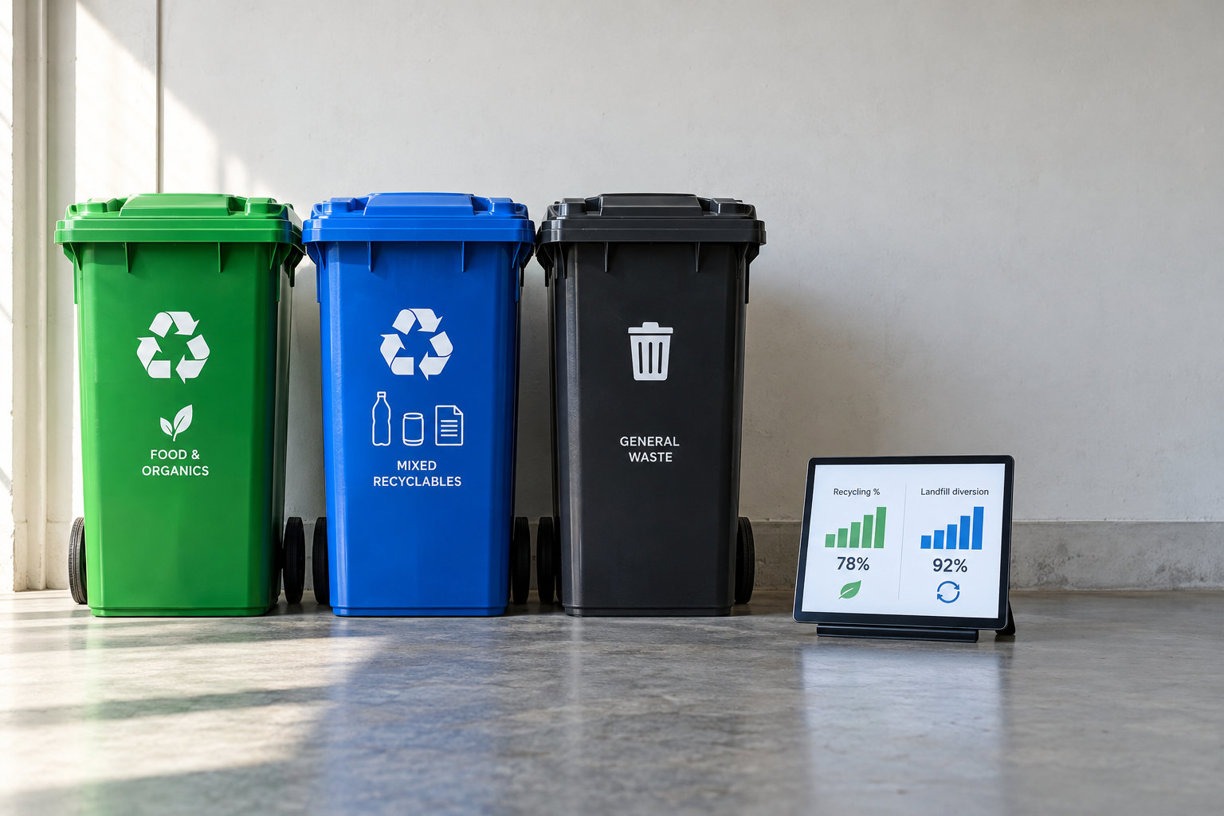
The journey towards net zero in Liverpool is shaped by the everyday decisions businesses make about resources, recycling and waste disposal. Materials sent to landfill contribute to greenhouse gas emissions, while inefficient collection and processing can increase a company’s environmental footprint. This makes professional waste management an important consideration for organisations looking to improve their sustainability performance. For businesses exploring Commercial Waste Management Liverpool solutions, priorities increasingly extend beyond regular collections to include effective recycling processes, measurable landfill diversion and reliable waste reporting. Access to this information helps organisations track their environmental impact, support ESG reporting and demonstrate progress towards the Liverpool City Region’s wider climate ambitions.
Why waste decisions matter
Waste can seem less urgent than energy bills or fleet changes, yet it plays a visible role in business emissions. Landfill remains a major issue when food waste, mixed recyclables, and avoidable contamination are not handled properly. Extra collections and poorly planned transport routes add more carbon to the process. When materials are sorted well, more of them can be reused, processed, or kept in circulation for longer. That reduces pressure on disposal sites and supports a more resilient local economy.
For Liverpool, progress comes from many small operational choices across offices, warehouses, shops, and hospitality sites. A business that checks what is going into each bin often finds waste streams that could be separated more efficiently. Collection schedules may also be changed to better reflect actual need rather than habit. These adjustments are usually manageable and can be introduced without disrupting staff or customers. The results are easier to measure than many larger sustainability projects.
Data has become a business asset
Environmental claims now face much closer scrutiny from customers, investors, and procurement teams. Many tenders ask for clear evidence on recycling rates, landfill diversion, and environmental controls. A vague promise to be greener rarely carries much weight when buyers want measurable performance. Good waste data gives businesses something concrete to present, compare, and improve over time. That can strengthen bids and support a more credible public position.
Reliable reporting also improves internal decisions. If one location produces unusually high mixed waste, managers can investigate the cause instead of relying on assumption. If contamination rises, staff training or signage can be adjusted quickly. This kind of visibility helps leadership teams set realistic sustainability targets based on operational facts. It turns waste management from a background cost into a source of insight.
Small changes can create momentum
Many firms do not need a dramatic overhaul to make real progress. Better labelling, clearer bin placement, and more relevant collection services can improve recycling rates quite quickly. Staff behaviour matters just as much as infrastructure, especially in busy workplaces with frequent shift changes. Short refresher training often does more than a single campaign that fades after a week. The goal is to make correct disposal the easiest option every day.
Reviews and audits can reveal opportunities that are easy to miss. A retailer may be producing enough cardboard for a separate stream, while a café may need tighter food waste controls. Industrial sites often uncover savings by looking more closely at pallets, plastics, and packaging offcuts. Once teams see progress in cost, cleanliness, or reporting, engagement tends to improve. Net zero then feels less distant and more connected to ordinary business practice.
Choosing support with long term value
The right waste partner should do more than collect bins on schedule. Businesses benefit most from support that includes dependable service, transparent reporting, and advice suited to their sector. Knowing where materials go and how figures are recorded builds confidence in both compliance and communication. That matters when environmental performance affects reputation, investor confidence, or contract awards. Practical support has the greatest value when it helps a company keep improving.
For Liverpool businesses, waste strategy is closely tied to resilience as well as sustainability. Smarter systems can reduce avoidable costs, strengthen operational discipline, and make climate commitments more believable. The city region’s net zero ambitions will be shaped by thousands of these routine decisions across local workplaces. Firms that treat waste as a strategic issue put themselves in a stronger position for the years ahead. They also help turn Liverpool’s wider environmental goals into measurable progress.
