


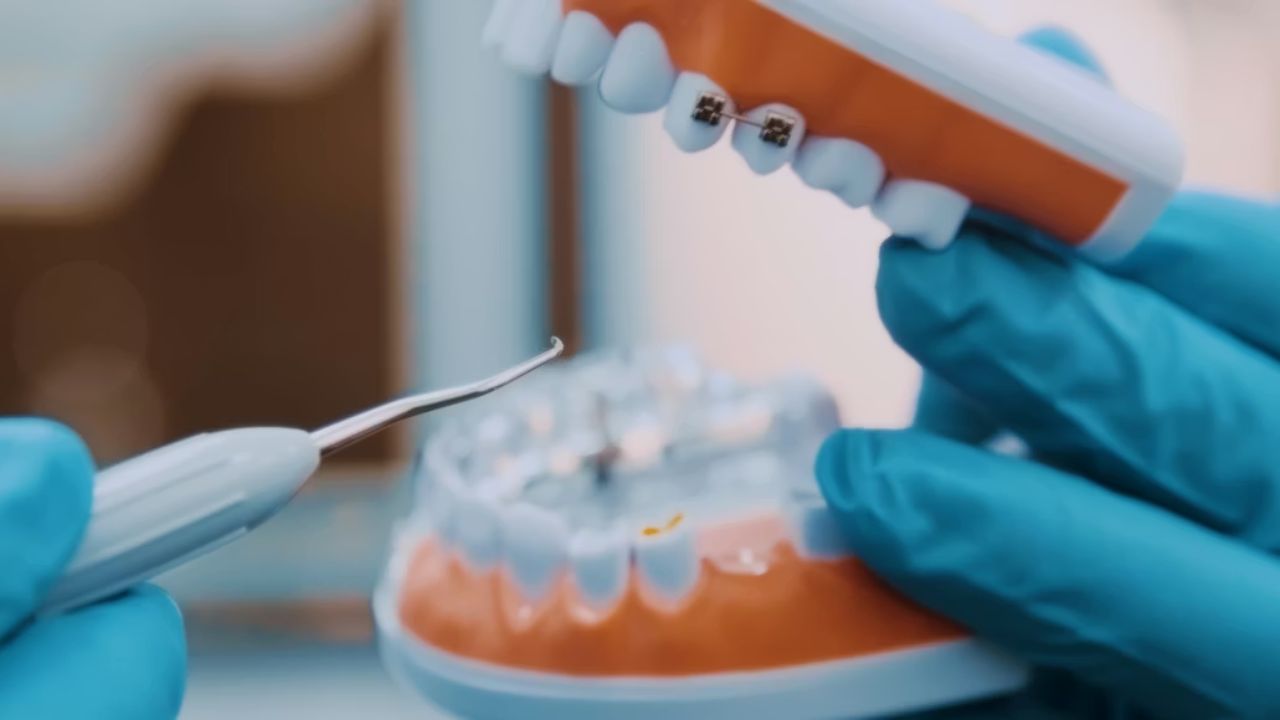
A smile makeover is rarely a single treatment. It is a planned sequence of procedures designed to improve the appearance, balance and function of your teeth. Before committing to treatment, it is worth understanding what a smile makeover really involves, how long it takes, and what it demands from you in return.
Many patients begin their research online, typing phrases such as veneers London into a search engine and comparing clinics, reviews and before-and-after photographs. While this is a sensible starting point, it is only part of the decision-making process. A successful smile makeover depends on clinical suitability, careful planning and realistic expectations as much as on aesthetic ambition.
London cosmetic dentist Dr Sahil Patel from MaryleboneSmileClinic explains that preparation is as important as the procedure itself. Patients are advised to review full treatment plans carefully and ask detailed questions about longevity, maintenance and alternatives before proceeding. For further information about comprehensive assessments and digital smile previews, you can visit this site to understand how bespoke treatment planning works in practice. The emphasis, they note, should always be on preserving natural tooth structure wherever possible.
A Smile Makeover Is a Personalised Treatment Plan, Not a Single Procedure
One of the most common misconceptions is that a smile makeover means simply having veneers fitted. In reality, it is a tailored combination of treatments that may include whitening, orthodontics, bonding, gum contouring or restorative work. Each element addresses a specific concern, such as misalignment, discolouration, uneven spacing or worn enamel.
The starting point is a detailed consultation. In reputable London clinics, this typically includes photographs, digital scans and sometimes 3D imaging. The dentist assesses your bite, jaw alignment and gum health alongside cosmetic factors. This holistic view ensures that improvements in appearance do not compromise function. For example, placing veneers on teeth that are significantly misaligned without first addressing orthodontic issues may lead to unnecessary enamel removal or long-term instability.
A personalised plan also considers your age, lifestyle and long-term oral health. Younger patients may be advised to delay certain irreversible treatments, while those with grinding habits might require protective measures such as night guards. The most effective smile makeovers respect the biology of your teeth. Cosmetic enhancement should work in harmony with natural structures rather than override them.
Cost transparency is another feature of a proper treatment plan. In London, fees can vary widely depending on materials, laboratory work and the experience of the clinician. A clear written estimate should outline each stage, associated costs and potential additional procedures. This level of detail helps patients make informed decisions and avoid unexpected expenses later on.
Veneers and Other Cosmetic Options Require Careful Consideration
Veneers are thin shells, usually made from porcelain, that are bonded to the front surface of teeth to improve colour, shape or alignment. They can produce dramatic results, but they are not suitable for everyone. The decision to proceed with veneers must take into account enamel thickness, bite forces and overall dental health.
In many cases, minimal-preparation or no-preparation veneers are possible, preserving more of the natural tooth. However, some degree of enamel reduction is often required to achieve a natural profile. This makes the procedure largely irreversible. Patients should therefore understand that veneers typically need replacement after 10 to 15 years, depending on wear and maintenance.
Alternatives such as composite bonding may be appropriate for minor corrections. Bonding is less invasive and can often be completed in a single visit, though it may not last as long as porcelain. Orthodontic treatment, including clear aligners, can address crowding or spacing without altering tooth structure at all. Whitening treatments can improve overall brightness before considering more extensive cosmetic work.
When researching options, it is helpful to view a range of completed cases and to discuss limitations as well as benefits. High-quality cosmetic dentistry should enhance your natural features rather than create an artificial appearance. A conservative approach often delivers the most enduring and believable results.
Your Oral Health Must Be Stable Before Cosmetic Work Begins
A smile makeover should never be undertaken on unhealthy foundations. Gum disease, untreated decay and poorly fitting restorations must be addressed before aesthetic procedures commence. Ignoring these issues can compromise results and shorten the lifespan of cosmetic treatments.
In London practices, it is common for patients to undergo a hygiene phase before cosmetic work. This may include professional cleaning, periodontal treatment and oral hygiene instruction. Healthy gums provide the correct frame for teeth and are essential for achieving symmetrical, balanced results. Even the most carefully crafted veneers will not look harmonious if gum levels are uneven or inflamed.
Bite assessment is equally important. Problems such as bruxism, where patients grind or clench their teeth, can lead to fractures or premature wear of cosmetic restorations. Dentists may recommend a protective appliance to safeguard both natural teeth and new restorations. Addressing jaw joint discomfort or uneven bite pressure at an early stage reduces the risk of complications.
Long-term success depends on your commitment to maintenance. Regular dental check-ups and hygienist visits are vital. Cosmetic materials may resist staining better than natural enamel, but they are not immune to plaque build-up or gum recession. A smile makeover should be viewed as a partnership between patient and clinician, requiring consistent care to protect the investment.
Digital Planning and Trial Smiles Improve Predictability
Advances in digital dentistry have transformed the way smile makeovers are planned and delivered. Many London clinics now use intraoral scanners instead of traditional impressions, creating accurate digital models of your teeth. These models allow dentists and technicians to design restorations with precision and to simulate potential outcomes.
Digital smile design software can generate a visual preview of proposed changes. While these images are not guarantees, they provide a useful guide and help align expectations. Patients can discuss tooth length, shape and shade before any irreversible steps are taken. This collaborative approach reduces misunderstandings and increases satisfaction with the final result.
In some cases, a trial smile or mock-up is created. Temporary material is placed over the teeth to replicate the planned outcome. This allows you to see and feel the proposed changes in your own mouth, assessing speech and comfort. Adjustments can be made at this stage before definitive restorations are fabricated.
Laboratory collaboration is another key factor. Skilled dental technicians play a central role in producing natural-looking restorations that match adjacent teeth. Shade selection is often carried out in person, considering skin tone, age and personal preference. The goal is not uniform whiteness but harmony. Subtle variations in translucency and texture contribute to a realistic finish that blends seamlessly with your features.
Longevity, Maintenance and Realistic Expectations Matter
A smile makeover can be transformative, but it is not permanent in the sense of being maintenance-free. All dental materials have a lifespan. Porcelain can chip, bonding can stain, and even well-aligned teeth can shift slightly over time without retainers.
Before proceeding, ask about expected longevity and replacement intervals. Understanding future commitments helps you budget and plan accordingly. Retainers may be required after orthodontic treatment, and night guards may be recommended for those with grinding habits. These protective measures are not optional extras; they are integral to preserving results.
Lifestyle choices also influence durability. Smoking, frequent consumption of strongly coloured foods and drinks, and inconsistent oral hygiene can undermine cosmetic work. While modern materials are resilient, they cannot compensate for neglect. Regular professional maintenance appointments allow early detection of minor issues before they become significant problems.
Perhaps most importantly, expectations should be grounded in reality. A smile makeover can improve symmetry, brightness and confidence, but it will not change facial structure or eliminate every perceived flaw. The most successful outcomes are those that look proportionate and natural, reflecting your individuality rather than conforming to a generic ideal.
In London’s competitive dental landscape, patients have access to sophisticated techniques and experienced clinicians. By understanding the principles behind treatment planning, material choice, oral health preparation, digital design and long-term care, you can approach a smile makeover with clarity and confidence. Thoughtful preparation and informed decision-making remain the foundations of a result that is both attractive and sustainable.
