


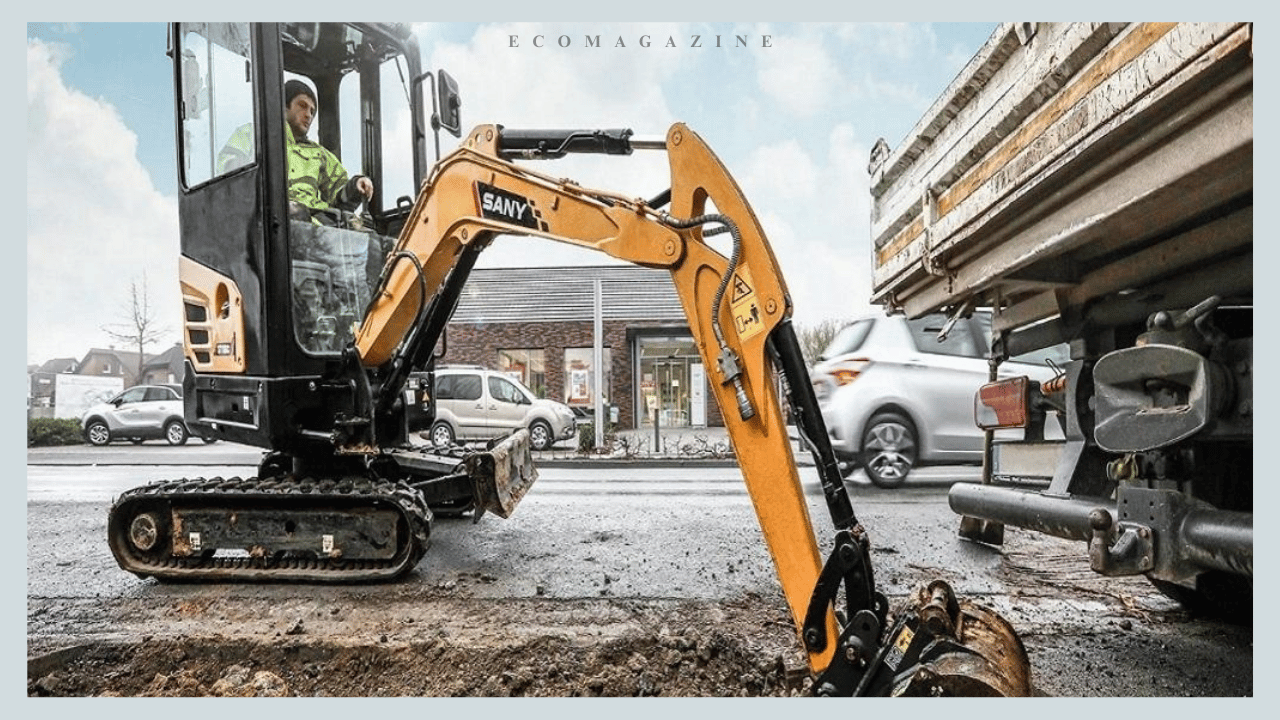
An excavator is one of the most common machines seen on construction sites, recognized for its long arm, hydraulic system, and rotating cab. Contractors use this heavy equipment for a variety of tasks that need strength, precision, and efficiency. An excavator, whether used to build roads, lay foundations, or clear land, allows workers to execute difficult jobs more quickly and more safely than manual labor. The equipment can swap between attachments, making it suited for various stages of building work. Understanding an excavator’s purpose helps to clarify why it is so important in the building business.
What Does an Excavator Do on a Construction Site?
Digging and Trenching
Digging is one of the main uses for an excavator. Soil removal is frequently necessary for construction projects in order to build drainage systems, basements, and foundations. Operators can precisely dig wide and deep holes thanks to the strong hydraulic arm and bucket. When compared to manual digging techniques, this feature saves a substantial amount of time. For tasks where precise trenching is essential, such as installing water systems, sewer pipes, or utility lines, excavators are particularly useful. They can also go to places that are hard to get to with conventional tools. Excavators contribute to labor cost savings and project schedule maintenance by completing excavating activities efficiently and reliably.
Demolition and Material Handling
Excavators are helpful for both digging and demolition. They can break down concrete, rip apart structures, and cut through steel with specialized attachments such as hydraulic breakers, grapples, and shears. Their strength enables them to safely do major demolition activities while keeping personnel away from falling debris. Excavators not only break down structures, but they also carry materials effectively. They can lift, transport, and load massive volumes of debris, dirt, or building trash onto vehicles. Excavators’ dual function in demolition and material handling makes them vital for clearing sites and preparing them for the next phase of development.
Site Preparation and Landscaping
Before construction begins, the site must be prepped. To produce a stable surface, excavators level the ground, remove rocks, and eliminate undesired plants. Their capacity to grade dirt guarantees that the land is level for foundations and roadways. Excavators are used in landscaping projects to sculpt terrain, excavate ponds, and transport heavy items such as rocks and trees. They may also flatten dirt or scatter gravel with the appropriate attachment. This versatility enables contractors to convert raw ground into construction-ready sites or manicured surroundings. Excavators contribute significantly to the shape of both small and large projects by undertaking preparatory and finishing work.
Why Are Excavators Important in Modern Construction?
Boosting Work Efficiency
Excavators are important in modern construction for several reasons, one of which is their efficiency. These devices can do jobs much faster than manual labor or less powerful equipment. Their hydraulic systems provide rapid and accurate movements, minimizing downtime between jobs. For contractors, this entails meeting timelines while maintaining quality. The flexibility to switch attachments also speeds up operations because a single machine may do various tasks. Excavators constantly undertake heavy-duty duties such as excavating foundations and loading vehicles. This efficiency not only saves time but also reduces total project costs, making excavators a worthwhile investment on any site.
Versatility Across Projects
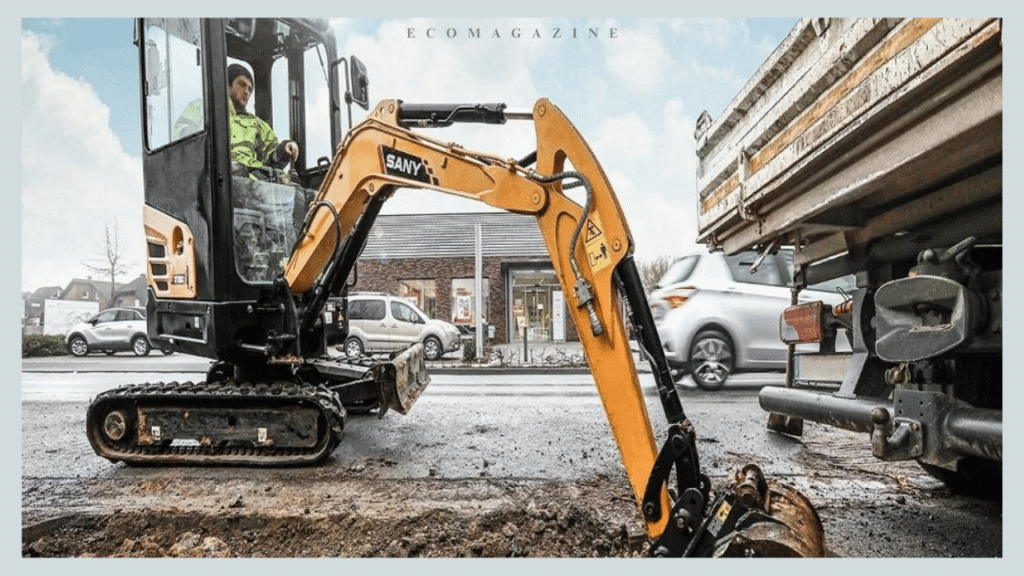
Excavators are extremely flexible machines that may be used for a variety of construction jobs. Soil is dug and moved during road building. Compact excavators can navigate confined places in urban environments without harming neighboring structures. Large-scale undertakings, such as mining or dam construction, require heavy-duty models capable of transporting large volumes of soil. Their flexibility stems from the variety of attachments available, such as buckets, hammers, augers, and grapples. Contractors can utilize a single excavator to dig, lift, drill, and shatter objects. This adaptability minimizes the need for additional equipment, saving both space and money. As a result, excavators continue to play an important role in a variety of building projects across the world.
Improving Safety on Site
Excavators contribute to risk reduction on building sites, where safety is a primary issue. By performing heavy lifting, demolition, and trenching activities, these robots reduce the need for physical labor in hazardous environments. Operators operate from inside a cab, which protects them from falling debris and dust. Modern excavators also include enhanced safety measures such as cameras, sensors, and robust hydraulic systems for better control. Attachments made for specific jobs help to prevent accidents by ensuring that work is done with the correct equipment. Excavators contribute to safer construction settings by improving operator and crew safety.
Conclusion
Excavators are strong and adaptable vehicles that play an important part in building projects of all sizes. Their responsibilities include practically every step of construction, from trench digging and demolition to site preparation and safety improvements. Excavators are used by contractors to increase efficiency, reduce expenses, and accomplish work that would otherwise take considerably longer with manual labor. With several attachments available, these machines can simply go from one activity to the next, making them extremely versatile. Excavators are still one of the most significant pieces of equipment in modern construction since they help to complete projects faster and more safely.
