


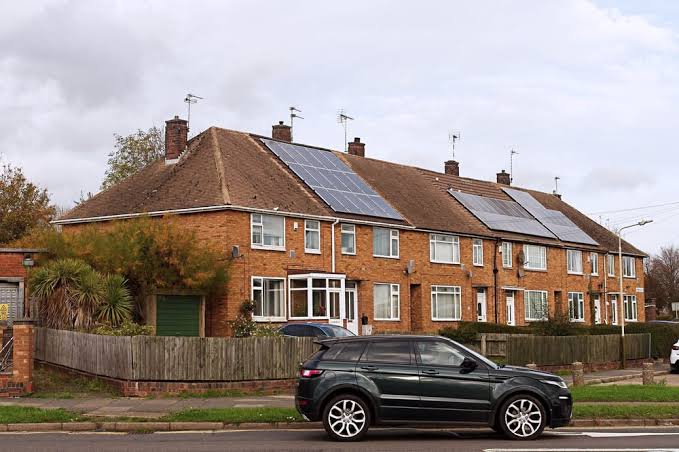
London’s housing stock is iconic, characterized by Victorian terraces, Edwardian semi-detached homes, and Georgian townhouses. While aesthetically charming, these heritage properties are notorious energy sieves. With rising energy costs and the pressing need to reduce carbon footprints, many London homeowners are looking to retrofit. However, the path to a more efficient home is often clouded by marketing hype.
If you are planning to upgrade your property, the golden rule is simple: ignore the “quick fixes” and focus on building physics. By prioritizing a fabric-first approach and navigating the complexities of Building Regulations—specifically Part L—you can create a home that is warm, healthy, and significantly cheaper to run.
The Fabric-First Philosophy
In the world of sustainable building, “fabric-first” is the foundational principle. It dictates that you must maximize the performance of the building envelope (the walls, roof, floors, and windows) before upgrading mechanical systems like boilers or heat pumps.
Many homeowners make the mistake of installing an expensive air-source heat pump in a drafty, uninsulated property. Because the house loses heat faster than the pump can provide it, the system runs inefficiently, leading to high bills and poor thermal comfort. By investing in the “skin” of the house first, you reduce the demand for heat, allowing for smaller, cheaper, and more efficient heating solutions.
The Order of Works
To avoid wasting money, retrofits should follow a logical sequence. If you try to jump ahead, you may end up “trapping” yourself with poor decisions.
- Air Tightness and Draught Proofing: This is the cheapest and most effective starting point. Sealing gaps around windows, doors, floorboards, and loft hatches prevents warm air from escaping and cold air from infiltrating.
- Loft Insulation: Heat rises. A poorly insulated loft is the primary source of heat loss in most London houses. Bringing your loft insulation up to modern standards (typically 300mm) is a high-impact, low-cost intervention.
- Solid Wall Insulation (SWI): London’s older homes are predominantly built with solid brick walls. Unlike cavity walls, they have no gap to fill with foam. SWI is the “heavy lifting” phase of a retrofit but is essential for significant energy bill reductions.
- Floor Insulation: Many London homes have suspended timber floors. Insulating these can stop the “cold feet” effect and significantly improve the internal climate.
- Window Upgrades: Upgrading from single glazing to double or triple glazing is beneficial, but it must come after wall insulation to avoid issues with cold bridging and condensation.
- Heating and Renewables: Once the heat demand has been slashed, you can replace old, inefficient boilers with modern heat pumps or solar PV systems.
The Challenge of Solid Wall Insulation (SWI)
For most London homeowners, SWI is the most daunting task. You can choose between Internal Wall Insulation (IWI) or External Wall Insulation (EWI).
External Wall Insulation (EWI) involves fixing insulating boards to the outside of the property, followed by a render or brick-slip finish. This is highly effective as it wraps the house in a thermal blanket, protecting the brickwork and eliminating thermal bridges. However, it is often prohibited in London due to planning restrictions in Conservation Areas or on listed buildings.
Internal Wall Insulation (IWI) is the more common route for the capital. This involves fixing insulation to the inside of external walls, then covering it with plasterboard. While it reduces the room size slightly, it is often the only way to meet modern standards in a historic terraced home. The critical factor here is moisture management. Professionals like AXE Construction emphasize that IWI must be installed with vapor control layers to prevent condensation and mold buildup behind the new lining.
Navigating Part L of the Building Regulations
When retrofitting an older home, you are bound by Part L of the Building Regulations, which focuses on the conservation of fuel and power. These regulations set the minimum energy efficiency standards for building work.
If you are carrying out a “material alteration” (e.g., adding insulation or replacing a window), you must ensure that the work meets current U-value standards. A U-value measures how quickly heat passes through a material—the lower the number, the better the insulation.
For many period properties, meeting the exact Part L requirement can be technically difficult without damaging the building’s historic fabric. In these cases, there is often a “do what is technically and functionally feasible” clause. However, working with experienced contractors, such as AXE Construction, is vital. They can help you navigate the compliance process, ensuring that your home meets current standards while respecting the architectural integrity of your property.
Estimated Payback Table: Typical London Victorian Terrace
The following table estimates the potential energy savings and payback periods for a mid-terrace London property, assuming standard energy price caps.
| Intervention | Estimated Cost | Annual Bill Reduction | Payback Period |
| Draught Proofing | £500 – £1,000 | £150 – £250 | 2 – 4 years |
| Loft Insulation | £800 – £1,500 | £200 – £350 | 3 – 5 years |
| Internal Wall Insulation | £8,000 – £15,000 | £400 – £600 | 15 – 20+ years |
| Floor Insulation | £2,000 – £4,000 | £150 – £250 | 10 – 15 years |
| Double Glazing | £10,000 – £20,000 | £200 – £300 | 25+ years |
Note: Payback periods are estimates and fluctuate based on energy tariffs, occupant behavior, and the specific orientation of the property.
The “Non-Energy” Benefits
While the table above focuses on financial payback, it ignores the “wellness” dividends. A properly retrofitted London home provides:
- Constant Comfort: No more cold spots or shivering in the winter.
- Improved Air Quality: Proper ventilation systems (often installed alongside insulation) ensure stale, damp air is replaced with fresh, filtered air.
- Increased Property Value: Energy Performance Certificate (EPC) ratings are becoming a major factor in London’s property market. A home with an A or B rating will command a significant premium over a D or E-rated equivalent.
- Noise Reduction: Thick insulation and high-quality windows act as an acoustic barrier, muffling the constant hum of London’s traffic.
Final Thoughts: Choosing the Right Partner
Retrofitting a London home is not a DIY weekend project. It requires an understanding of interstitial condensation, thermal bridging, and local planning laws. Rushing into the process without a coherent plan often leads to wasted budget and long-term building damage.
If you are serious about reducing your bills and improving your living environment, look for contractors who specialize in deep retrofits and understand the nuances of period property construction. Companies like AXE Construction offer the technical expertise required to manage everything from wall insulation to compliance, ensuring your investment pays dividends for years to come.
By sticking to the fabric-first order of works and prioritizing the building envelope, you aren’t just cutting energy bills—you are future-proofing your home, making it a comfortable, sustainable sanctuary in the heart of a bustling city.
