


Modern homes are increasingly designed around smarter living. Homeowners want spaces that look good, function well, and reflect a more thoughtful approach to everyday life. That mindset now extends beyond interiors and into the garden. More people are looking for ways to create outdoor spaces that feel stylish and contemporary while also reducing waste, cutting maintenance, and making better use of resources.
An eco friendly garden does not have to look wild or unfinished. In fact, many sustainable outdoor spaces are beautifully planned, highly practical, and perfectly suited to modern homes. The key is choosing materials, layouts, and features that support long term use instead of constant repair, excess water consumption, or high maintenance routines.
Start With Smarter Ground Cover
The lawn is often one of the largest elements in a garden, which means it also has a big influence on sustainability. Traditional grass can require regular mowing, watering, feeding, and patch repairs. Over time, that adds up in terms of water use, fuel or electricity, and ongoing products.
That is why many homeowners now consider artificial grass as part of a more efficient garden design. It offers a long lasting, low maintenance surface that stays green without regular watering or mowing. In modern homes where practicality matters, this can be a useful way to reduce routine upkeep while still keeping the garden visually attractive.
For homeowners considering Artificial Grass Stockport, this can be one of the biggest benefits. It supports a cleaner, lower maintenance outdoor space that still fits a modern design style.
Choose Durable Materials That Last
An eco friendly garden is not only about what looks natural. It is also about choosing materials that last well and do not need frequent replacement. Constant repairs, low quality finishes, and short lifespan products can all create more waste over time.
For modern homes, durable paving, composite decking, high quality edging, and long lasting planters are often a smarter investment. These materials tend to maintain their appearance for longer and reduce the need for repeated upgrades. When paired with artificial grass, they can create a garden that feels clean, structured, and built for long term use.
Sustainability often comes from reducing the cycle of replacement. A well planned garden that performs well year after year can be a far better choice than one that constantly needs attention.
Focus on Water Wise Design
Water use is one of the biggest environmental considerations in garden planning. Even in areas with regular rainfall, many gardens still require extra watering during warmer periods, especially if they rely heavily on natural lawns or delicate planting.
A more eco friendly approach is to design the space with water efficiency in mind. Artificial grass can help by reducing the amount of water needed to maintain a green lawn. Beyond that, homeowners can choose drought tolerant plants, add mulch to planting beds, and use rainwater collection where possible.
These decisions help the garden stay attractive without placing unnecessary pressure on water resources. They also make the garden easier to manage, which is often just as important for busy households.
For people exploring Artificial Grass Stoke options, this combination of reduced water demand and easier upkeep can make a lot of sense in a modern garden.
Keep Planting Purposeful and Practical
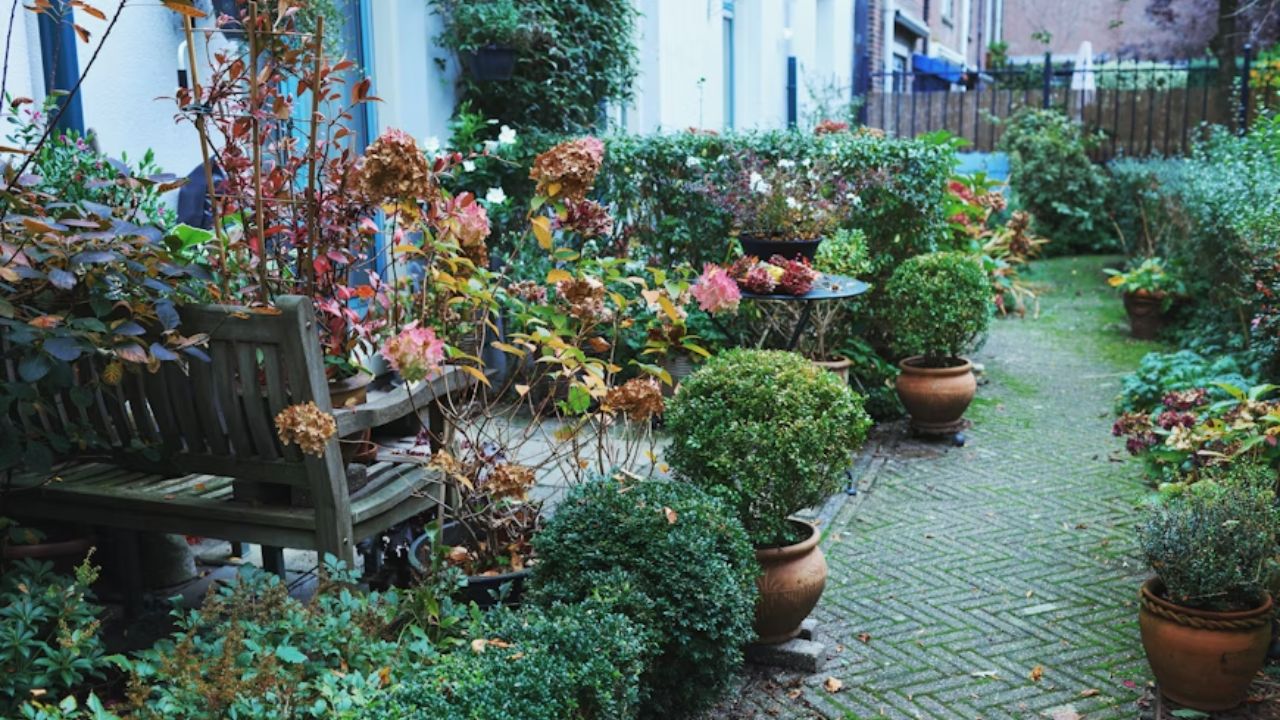
Plants play an important role in eco friendly garden design. They bring color, softness, habitat, and seasonal change. The goal is not to remove planting, but to use it more intentionally. Instead of large high maintenance beds that need constant care, many modern gardens benefit from focused planting that adds impact with less effort.
Raised beds, planters, and border planting can all work well. Native plants, hardy shrubs, ornamental grasses, and pollinator friendly flowers are often strong choices because they are more resilient and better suited to long term garden health. These features can sit beautifully alongside artificial grass, creating a balance between practical surfaces and natural character.
This kind of planting also supports biodiversity without making the entire garden difficult to maintain.
Design for Long Term Use
A garden becomes more eco friendly when it is designed to work well over time. If the layout is awkward or the materials do not suit the household, the space is more likely to be changed repeatedly, which can create extra cost and waste. Modern homes benefit from gardens that are built around real day to day use from the start.
That might mean creating clear zones for seating, play, dining, and planting. It might mean including storage so outdoor items do not create clutter. It could also mean choosing a surface like artificial grass that handles regular family use better than a fragile natural lawn.
When the garden fits the household properly, it is more likely to be looked after, enjoyed, and kept in good condition for longer.
Reduce Maintenance to Lower Resource Use
Eco friendly living is often linked to efficiency. A garden that needs constant mowing, watering, feeding, and repair uses more time, more products, and more energy. Lower maintenance design can reduce all of those demands while still creating a space that feels attractive and complete.
Artificial grass plays a strong role here because it removes many of the most repetitive lawn care tasks. Combined with durable materials and simple planting, it helps create an outdoor area that looks polished without relying on constant input.
This does not mean the garden becomes completely maintenance free. It means the upkeep becomes lighter, more manageable, and less wasteful over time.
Blend Style With Sustainability
One reason some homeowners hesitate with eco friendly garden design is the belief that it may look too rustic or less refined. In reality, sustainable design can work beautifully with a modern aesthetic. Clean lines, structured planting, carefully chosen materials, and practical layouts can all feel both contemporary and environmentally thoughtful.
Artificial grass supports this style well because it provides a neat and reliable base that complements modern paving, timber features, and minimalist outdoor furniture. When used as part of a balanced design, it can help create a garden that looks sophisticated while still reducing some of the demands of a traditional lawn.
Make Outdoor Living More Usable
An eco friendly garden should not only be responsible. It should also be enjoyable. The more usable the space is, the more value homeowners get from it over time. Comfortable seating, shade, low maintenance surfaces, and a simple layout all make the garden easier to use for relaxation, family time, and entertaining.
That practical use matters because sustainable spaces should support everyday life. A garden that works well is less likely to be neglected or constantly redesigned. It becomes a lasting part of the home rather than a project that never quite feels finished.
Final Thoughts
Eco friendly garden ideas for modern homes are about making smarter choices from the ground up. Durable materials, water wise design, purposeful planting, and low maintenance features all help create an outdoor space that looks good while working more efficiently over time.
Artificial grass can be a useful part of that approach, especially for homeowners who want a cleaner, greener lawn area without the heavy upkeep of natural grass. When combined with thoughtful planting and a practical layout, it helps create a garden that feels modern, attractive, and better suited to sustainable living.
