


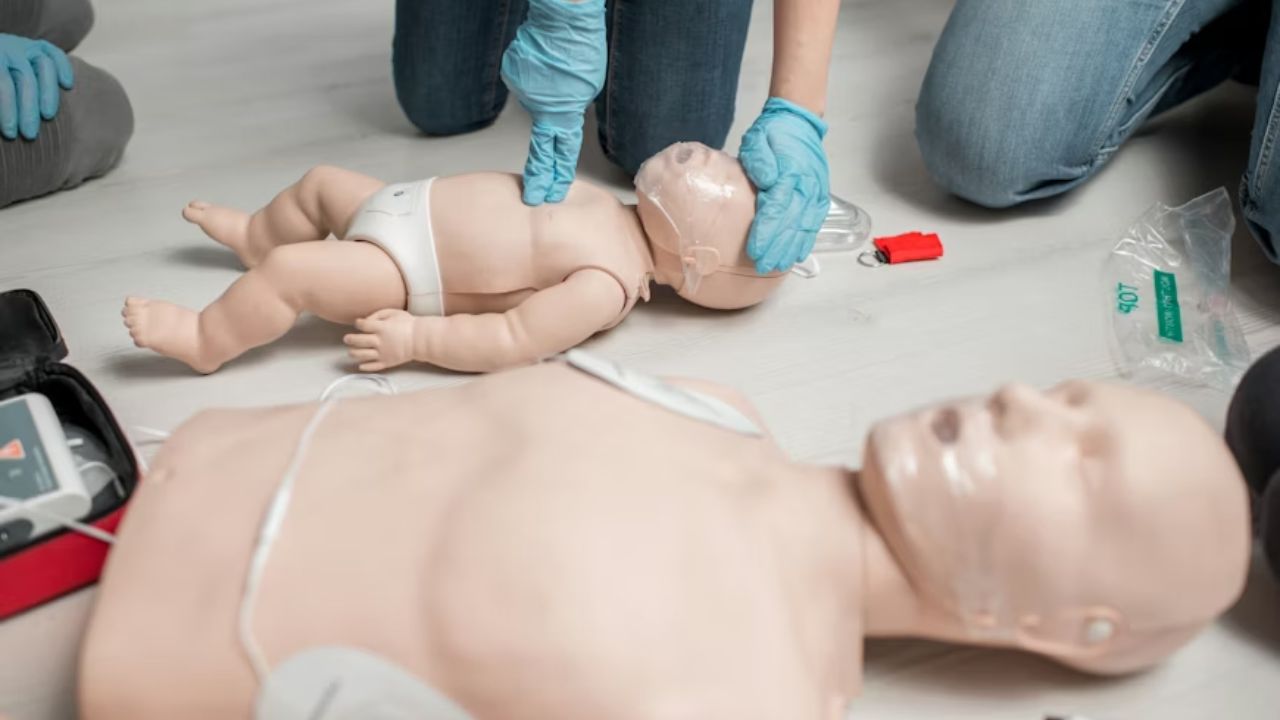
What would you do if someone collapsed right in front of you? In a crisis, every second matters. Many people want to help but feel unsure how.
CPR training gives clear steps that guide fast action. It turns fear into calm focus. Strong communities depend on prepared neighbors.
This article shows how CPR training builds safer, kinder communities and stronger emergency response. Keep on reading!
Building Confidence and Immediate Action
CPR training teaches simple steps to follow during a medical emergency. When people understand what to do, they are far less likely to panic and far more likely to step forward and help without hesitation.
Practice builds steady nerves and clear thinking under pressure. Trained individuals can recognize the signs of cardiac arrest and begin chest compressions right away. That fast response keeps blood flowing and greatly improves the chance of survival.
Creating Stronger Local Response Networks
Emergency crews do vital work, but they cannot always arrive within seconds. CPR-trained citizens act as the first line of support while waiting for professional care to reach the scene.
When neighbors, coworkers, and friends are trained, help is always close by. Early CPR keeps oxygen moving to the brain and heart during those critical first minutes. A community filled with trained responders becomes safer and more dependable in times of crisis.
Strengthening Community Bonds and Responsibility
Training sessions often bring people together from different backgrounds and age groups. Learning side by side builds trust, shared purpose, and a deeper sense of connection.
People who complete CPR courses often feel a stronger duty to protect those around them. They understand that emergencies can happen anywhere, whether at home, school, or work. This shared awareness creates a culture where looking out for others becomes second nature.
Supporting Schools, Workplaces, and Youth
Busy schools and workplaces face daily risks that cannot always be predicted. Having trained staff and students in these spaces adds an extra layer of safety and reassurance.
Young people who learn CPR early gain confidence that lasts into adulthood. They often encourage parents and relatives to become certified as well. This ripple effect spreads knowledge and preparedness across generations.
Improving Survival Rates Through Accessible Training
Research shows that starting CPR right away makes survival after a sudden cardiac arrest much better. Quick chest compressions keep vital organs safe until more advanced care gets there.
Today, it’s easier than ever to learn, thanks to flexible in-person and online programs from reputable companies like Cprcertificationnow.com. Classes that are easy to get to and don’t cost a lot get rid of barriers to certification. More communities get better training and better emergency outcomes as access grows.
Promoting a Lasting Culture of Preparedness
Regular CPR training reminds communities that safety requires steady effort. Refreshing skills keeps knowledge sharp and ready to use at a moment’s notice.
When preparedness becomes part of everyday life, fear loses its grip. Neighbors feel more secure knowing others are ready to act. This shared commitment builds stronger, kinder communities that stand ready to respond when it matters most.
Empower Everyday People To Act Fast in Crises
Teaching people CPR helps them act quickly when someone’s life is in danger. When you give clear instructions, people who are just watching can immediately start helping.
Responding networks, survival rates, and trust in the community all go up when people have this simple skill. By training, people improve the safety of their community. It’s kind and always ready to help when people are prepared.
Did you like this guide? Great! Please browse our website for more!
