


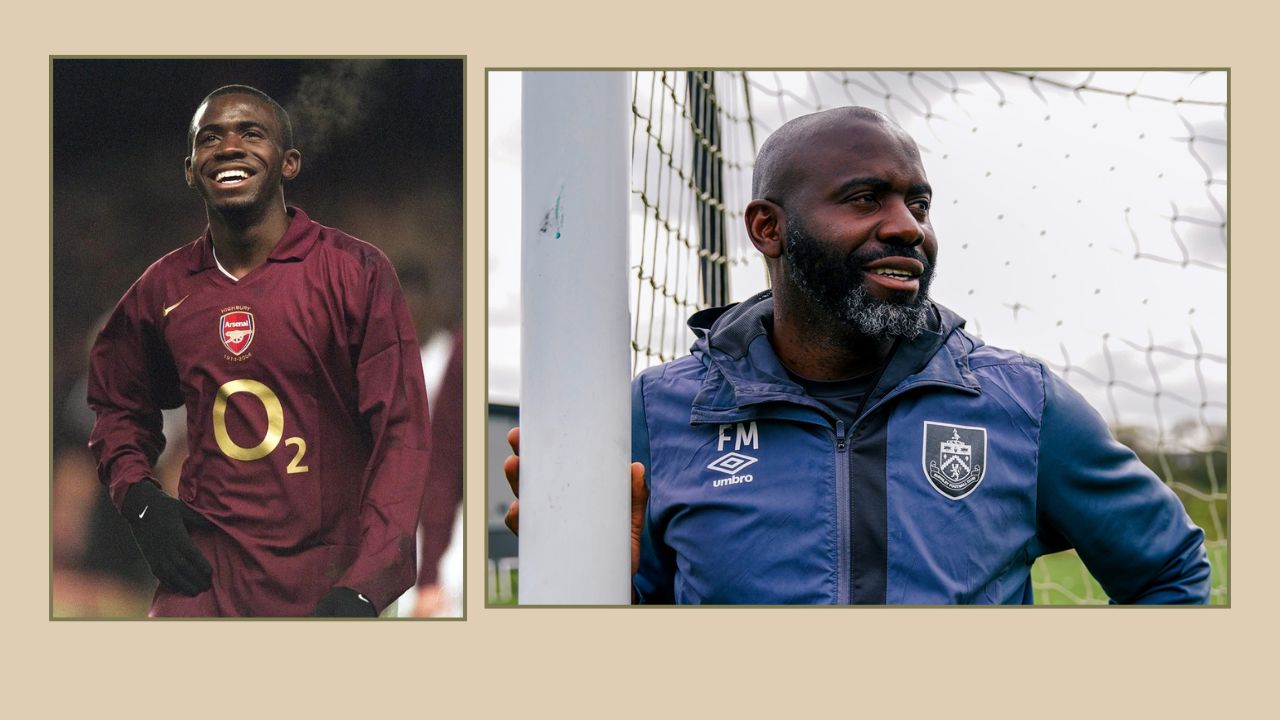
Fabrice Muamba is one of the most remarkable stories in modern football. His journey spans from a talented midfielder playing in the English Premier League to enduring one of the most dramatic medical emergencies ever seen on a football pitch. Yet his life did not end there — he transformed that moment into a mission to inspire others. This article explores his early life, his footballing rise, the life‑changing health crisis, his path to recovery, his work after retirement and his impact on the game and community by 2025‑2026. Throughout, we’ll examine why his story remains important and relevant for athletes, fans, and anyone facing adversity.
Early Life and Football Beginnings
Childhood in Congo and Move to England
Fabrice Muamba was born on April 6, 1988, in Kinshasa, then Zaire (now the Democratic Republic of the Congo). His family moved to England when he was 11 years old after his father sought asylum due to political instability at home. Settling in East London, young Muamba faced early challenges, including adapting to a new culture and learning English. Despite these challenges, he excelled academically, achieving strong results in school, and began playing football at a local level, quickly catching the attention of scouts thanks to his natural athletic ability.
Joining Arsenal and Rising Through Youth Ranks
In 2002, Muamba joined the youth academy at Arsenal, one of England’s most prestigious clubs. His commitment and work ethic helped him rise through the ranks, and by 2005 he had signed his first professional contract. Although his first‑team opportunities were limited, his performances earned him respect and opened doors for future moves. He made a handful of senior appearances before transferring to Birmingham City, where he became a regular in midfield.
England Youth International
While at Birmingham and later Bolton Wanderers, Muamba’s talent was recognized at the international level. He represented England in various youth teams, including U16, U17, U18 and U21 levels, earning numerous caps and establishing himself as a promising midfielder with a bright future ahead.
Professional Career Highlights
Birmingham City and Bolton Wanderers
After progressing at Birmingham City, Muamba secured a move to Bolton Wanderers in 2008. At Bolton, he became known for his tireless running, defensive work rate and ability to control the middle of the pitch. He was a consistent performer and quickly became a fan favorite. His leadership and presence in midfield were crucial for Bolton’s campaigns in both the Premier League and the Championship.
Style of Play and Strengths
Muamba’s playing style was defined by discipline, strength and intelligence. He could break up opposition attacks, transition play effectively and dictate rhythm when needed. Though not a prolific goal scorer, his tactical awareness and positional sense made him a valuable asset to any team.
The Heart Incident That Changed Everything
The FA Cup Match Against Tottenham
On March 17, 2012, during an FA Cup quarter‑final clash with Tottenham Hotspur, Fabrice Muamba suffered a sudden and shocking collapse on the pitch. In one of the most chilling moments in sports history, the midfielder suffered a cardiac arrest 41 minutes into the game. His heart stopped beating for an astonishing 78 minutes — far longer than what is normally survivable — but thanks to the immediate response of paramedics and medical staff, his life was saved.
The Medical Response and Rescue
The quick actions of the medical team on the field, as well as the presence of a cardiologist among the spectators, were instrumental in keeping Muamba alive. He received extensive CPR and defibrillator shocks before being rushed to a specialist cardiac unit at the London Chest Hospital. After weeks in intensive care and fitting an implantable cardioverter‑defibrillator (ICD), Muamba made the remarkable journey back to consciousness and eventual discharge.
The Collapse’s Global Impact
The global football community was stunned by Muamba’s collapse. Support poured in from players, clubs, managers and fans worldwide, united in hope and concern. His recovery became a symbol of resilience and demonstrated the importance of medical preparedness in sports.
Retirement and Adjustment to a New Life
Decision to Retire
Despite the incredible recovery from the cardiac arrest, Muamba’s doctors advised him that continuing to play professional football could pose serious risks to his health. After seeking multiple expert opinions, he announced his retirement in August 2012, at just 24 years old. It was a heartbreaking but necessary decision after receiving medical advice that returning to elite sport was unsafe.
Emotional and Mental Challenges
Retiring prematurely was emotionally challenging for Muamba. Football had been his identity since childhood, and stepping away from the game he loved required adjustment. He spoke openly about the mental hurdles he faced during this transition and how he leaned on his family, faith and inner strength to move forward.
Life After Football
Education and New Skills
Rather than distancing himself from the sport entirely, Muamba chose to grow intellectually. He completed a degree in sports journalism at Staffordshire University, graduating with honours in 2015. This academic achievement gave him a fresh perspective and opened up new avenues in media and communication.
Journalism and Media Work
Muamba’s journalism training led to opportunities in the media. He contributed to football coverage, providing insights grounded in his tactical understanding of the game and personal experience. His transition into media highlighted how skills developed on the pitch can transfer into new professional environments.
Return to Football Through Coaching
While his playing career had ended, Muamba eventually found his way back into the game he loved, this time through coaching. He completed coaching badges, including UEFA licences, and worked with youth players. Over the years, he coached at various club academies and, by 2024, held a coaching role with the Burnley academy while also serving as a Player Services Executive for the Professional Footballers’ Association (PFA). This blended role allowed him to shape future talent and support former players navigating life after football.
Community Engagement and Advocacy
Player Services and Leadership
In his role with the PFA, Fabrice Muamba has increasingly become a voice for young players and former professionals. He emphasizes the importance of education, health awareness and community involvement, using his own journey as a powerful example of resilience, planning and life balance.
Promoting Health and Safety in Sport
The story of his collapse has also helped raise awareness about cardiac health, particularly in sport, where sudden cardiac arrests can be fatal without immediate treatment. His experience underscored the need for accessible defibrillators and trained medical staff at sporting events worldwide.
Legacy and Influence
Inspiring Future Generations
Fabrice Muamba’s life is an inspiring narrative of triumph over adversity. He has shown that even the most devastating setbacks can be catalysts for growth, leadership and impact beyond the football field. Today, he remains respected not just for his football career but for his resilience, character and commitment to helping others thrive.
Lasting Impact on Football and Beyond
His story continues to influence football safety protocols, cardiac awareness campaigns and the way clubs support player wellbeing. By demonstrating how to turn a personal tragedy into purposeful work, Muamba has left a legacy that transcends sport.
Conclusion
The journey of Fabrice Muamba is extraordinary. From a promising footballer whose life changed in a single moment to a mentor, coach and advocate, his path reflects courage in the face of hardship. His experience with a life‑threatening heart collapse, his resilience during recovery, and his commitment to education, coaching and community engagement make his story one of the most compelling in the world of sport. As of 2025‑2026, Fabrice Muamba remains a figure of inspiration — a testament to the power of perseverance, transformation and giving back.
MORE LIKE THESE: The Role of Sanding and Sealing in Wood Floor Restoration
