


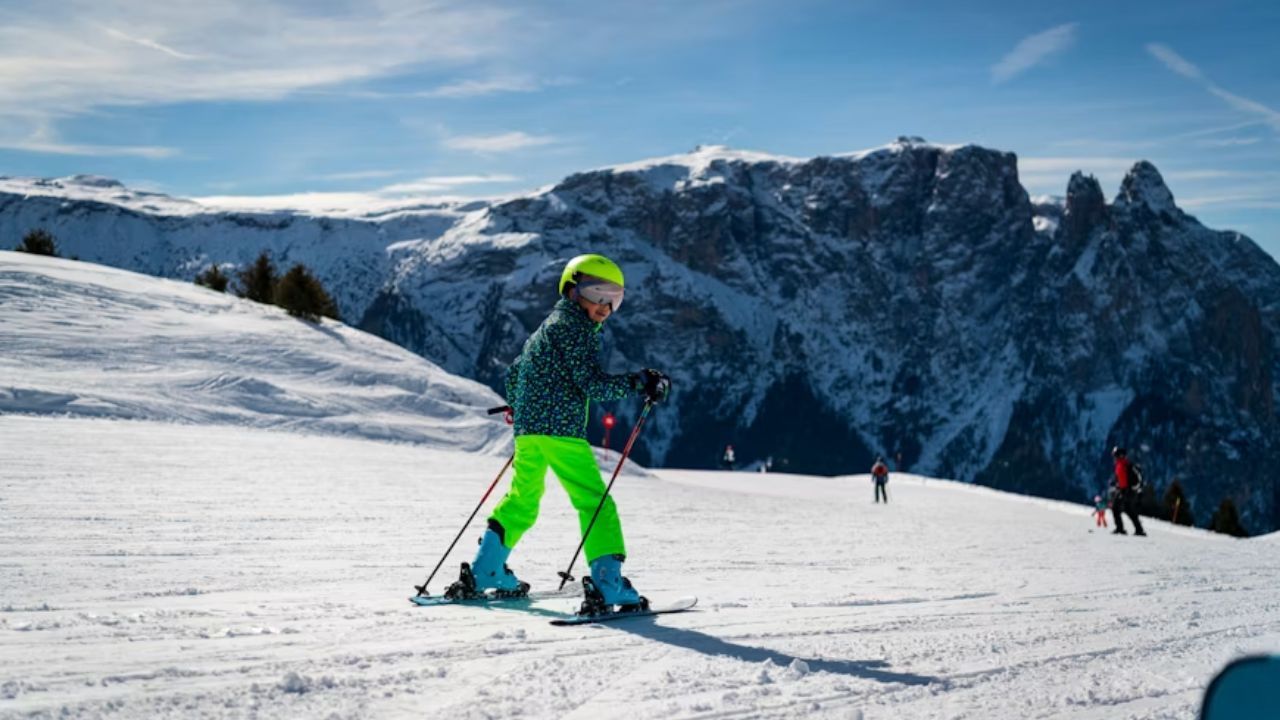
Winter sports help young people develop resilience and create opportunities for families to share new experiences. Many parents feel eager to introduce skiing or snowboarding, yet they also worry about whether their child will enjoy it or struggle with the learning process. The key lies in creating positive first experiences rather than expecting rapid progress. When children feel supported and free to learn at their own pace, they often develop enthusiasm that lasts well beyond a single holiday.
Start with Confidence, Not Perfection
When learning to ski, children will fall and sometimes feel frustrated. Praising their effort will help your child view these moments as part of learning rather than signs of failure. Praise specific achievements, such as standing up independently after a fall or controlling speed on a gentle slope. These small successes give children evidence that they are improving. A child who feels capable is more likely to stay engaged and try again when something feels difficult. Instructors also use games and simple challenges because children learn skills more effectively when they enjoy the activity.
Choosing the Right Environment for First Experiences
Busy slopes and crowded facilities may overwhelm beginners, while quieter resorts provide a more relaxed introduction. Many families consider destinations such as Bulgaria ski holidays because they typically offer beginner-friendly terrain and ski schools with experience teaching young children. Gentler slopes allow children to concentrate on balance and control without feeling pressured by faster skiers nearby. Look for lessons designed specifically for beginners. Children gain confidence when they learn alongside others at a similar level, and qualified instructors know how to explain techniques in ways that keep young learners motivated.
Building Skills and Confidence
Rather than measuring success by how many runs your child completes, pay attention to growing confidence and improved control. Activities away from the slopes can also benefit them. Swimming and playground climbing all develop coordination and balance, making it easier for children to adapt when they return to winter sports. Encourage your child to recognise their own progress after each session. When they notice that a slope feels easier than it did on the first day, they build genuine confidence based on experience. That confidence becomes the foundation for long-term enjoyment of winter sports.
More Than Just Learning the Slopes
Years later, most children will not remember how quickly they learned to turn or stop. They are more likely to remember the excitement of seeing snow-covered mountains for the first time, sharing hot chocolate after a lesson. These experiences help children associate physical activity with enjoyment rather than pressure. By prioritising positive memories over performance, you can create a lasting connection with winter sports that they take with them into adolescence.
