


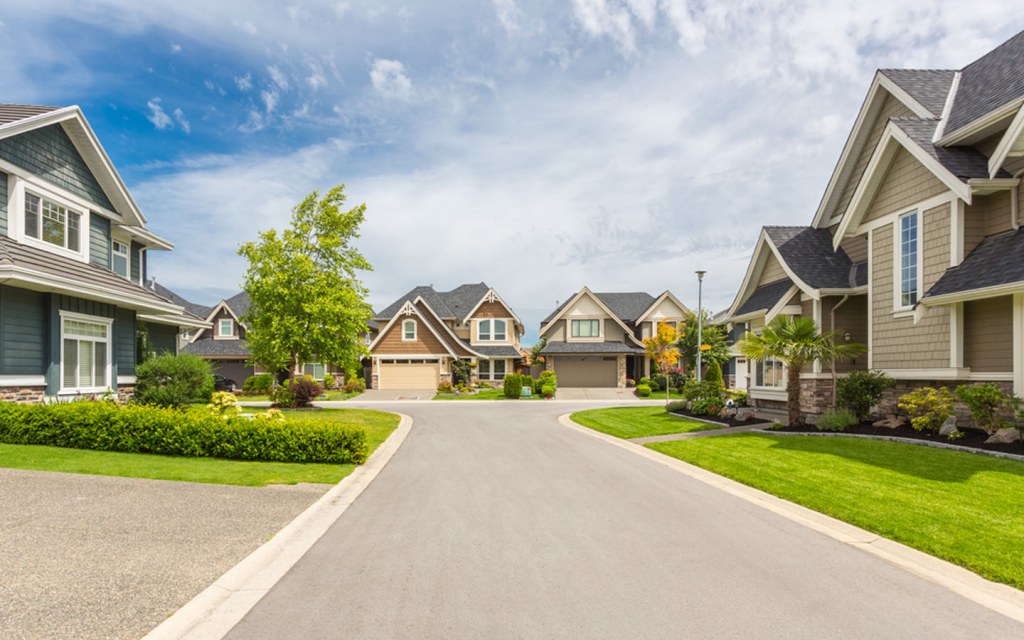
When homeowners in Sydney’s established suburbs consider a knock down rebuild Sydney project, they typically focus on personal gains: more space, modern amenities, energy efficiency, and increased property value. What rarely enters the conversation is how this decision creates unexpected positive effects throughout the surrounding community. The truth is, choosing to demolish and rebuild rather than renovate sends waves of benefits beyond your property line, transforming not just your home but the social fabric of your entire street.
The Catalyst for Street-Wide Transformation
One rebuilt home often becomes the spark that reignites an entire neighbourhood’s potential. When you construct a contemporary dwelling that maximizes natural light, incorporates sustainable materials, and reflects modern Australian lifestyle needs, you’re not just making a statement about your own standards. You’re showing neighbours what’s possible on their own blocks.
This phenomenon occurs organically across Sydney’s middle-ring suburbs. A single new home built to current environmental standards often inspires adjacent property owners to reconsider their own aging structures. The visual contrast between a thoughtfully designed new residence and surrounding older homes creates a reference point that makes deterioration more noticeable and renovation possibilities more tangible.
The social dynamic shifts subtly but meaningfully. Neighbours who previously accepted cracking foundations, poor insulation, and dated layouts suddenly see these issues as solvable rather than permanent. Your project becomes a conversation starter at local cafes, school pickups, and weekend gatherings, spreading knowledge about construction possibilities, council requirements, and the realistic timelines involved in major building works.
Elevating Community Standards Without Gentrification Pressure
Critics sometimes worry that new builds in established areas accelerate gentrification and price out long-term residents. However, individual knock down rebuild projects create a different dynamic than developer-led apartment complexes or wholesale neighbourhood redevelopment. When existing homeowners choose to rebuild on land they already own, they’re investing in the community’s future while maintaining its residential character.
Your rebuild demonstrates commitment to the area’s long-term viability. This vote of confidence in the neighbourhood’s future can strengthen community bonds rather than fracture them. Long-term residents often appreciate seeing established families choose to stay and reinvest rather than sell to developers or move to newer suburbs.
The construction process itself, while temporarily disruptive, often strengthens neighbourhood relationships. Managing builder access, coordinating deliveries, and minimizing noise requires regular communication with those living nearby. These practical conversations frequently evolve into genuine connections. Neighbours who previously only exchanged waves might find themselves discussing council regulations, sharing contractor recommendations, or simply checking in on construction progress during evening walks.
Creating Gathering Spaces That Benefit Everyone
Modern home design in Sydney increasingly emphasizes connection between indoor and outdoor living areas. When you rebuild with contemporary open-plan layouts and accessible outdoor spaces, you’re creating a home better suited to hosting community interactions. Front porches, visible through gardens, street-facing decks, and permeable front boundaries encourage the casual encounters that build neighbourhood cohesion.
Older homes often turned inward, with small windows, enclosed front yards, and designs that prioritized privacy over community engagement. While privacy remains important, contemporary designs achieve it without creating fortress-like boundaries. Your new home might feature a front courtyard where you drink morning coffee, creating natural opportunities for friendly chats with dog walkers and joggers. These micro-interactions matter more than many realize for creating streets where people feel connected and safe.
The flow-through effect extends to how your property interfaces with shared spaces. Better-designed homes often mean better-maintained gardens, improved streetscape presentation, and increased foot traffic as neighbours pause to admire landscaping or architectural features. These small increases in street activity contribute to the passive surveillance that makes neighbourhoods safer for everyone, particularly children playing outside and elderly residents taking daily walks.
Sharing Knowledge and Demystifying the Building Process
Undertaking a knock down rebuild Sydney project transforms you into an inadvertent community resource. You gain firsthand knowledge about council development application processes, current building costs, reliable contractors, and the realities of living through major construction. This information becomes invaluable for neighbours considering their own projects.
The learning curve you navigate saves others time and potential costly mistakes. You discover which building certifiers are responsive, which suppliers offer quality materials at reasonable prices, and which design decisions deliver genuine lifestyle improvements versus those that sound good in theory. Sharing these insights creates a more informed community better equipped to make significant property decisions.
This knowledge transfer happens organically through fence-line conversations and community social media groups. Your willingness to discuss both successes and challenges helps normalize the building process, making it feel achievable rather than overwhelming. When neighbours see someone they know successfully manage a major project, the psychological barrier to starting their own drops significantly.
Modernizing Infrastructure Connections
Every new build must connect to contemporary standards for utilities, stormwater management, and services. These upgraded connections often benefit surrounding properties by improving overall system capacity and reliability. Your new stormwater system designed to current environmental standards might reduce localized flooding that previously affected multiple properties during heavy rain.
Similarly, the infrastructure assessment required before construction sometimes identifies broader issues with street drainage, sewerage capacity, or utility connections that prompt council improvements benefiting the entire street. Your project becomes the catalyst for maintenance and upgrades that might otherwise have been delayed for years.
The Long View of Community Investment
Choosing to knock down and rebuild rather than move to a newly developed suburb represents a fundamental commitment to your existing community. This decision tells neighbours, local schools, and businesses that you believe in the area’s future. That confidence is contagious and helps stabilize communities that might otherwise face gradual decline as families move away seeking modern housing.
Your rebuilt home will likely stand for another 50 to 100 years, anchoring the neighbourhood through demographic and social changes. By investing in quality construction and thoughtful design now, you’re contributing to the area’s resilience and adaptability for generations.
The social benefits of rebuilding extend far beyond the immediate construction period. Your project demonstrates possibility, creates connections, shares knowledge, and strengthens community bonds in ways that purely economic analyses never capture. When neighbours eventually thank you, they’re recognizing these less tangible but deeply valuable contributions to the shared environment you all call home.
