


Varicose veins affect millions of people and can cause not just discomfort but also lead to more serious health issues if left untreated. While we often think of these twisted veins as purely aesthetic, they can be signs of underlying vascular problems that deserve attention.
As we explore effective treatment options—from lifestyle changes to innovative medical procedures—it’s essential to rely on trusted specialists who prioritize safety and results. Metro Vein Centers is one such clinic known for offering advanced, patient-focused vein care, making it easier for us to find reliable solutions tailored to our needs.
In this text, we will walk through today’s most effective varicose vein treatments, helping us gain a well-rounded understanding of how to achieve meaningful relief and better long-term vascular health.
Understanding Varicose Veins
Varicose veins are enlarged, twisted veins that can occur in various parts of the body but are most commonly found in the legs. They occur when the valves within the veins do not function properly, leading to blood pooling and the characteristic bulging appearance. Although they are common in both men and women, several factors contribute to their development, including age, genetics, obesity, pregnancy, and prolonged standing or sitting. Understanding these factors can empower us to take preventive measures and seek timely treatment.
Common Symptoms and Diagnosis
The symptoms of varicose veins can range from mildly annoying to severely debilitating. Common symptoms include:
- Aching or heavy legs
- Swelling in the feet or ankles
- Burning or throbbing sensations in the legs
- Skin changes, such as discoloration or ulcers
Diagnosis typically involves a physical examination, during which a healthcare provider will assess the appearance of the veins and inquire about your medical history. Also, imaging tests such as ultrasound may be performed to evaluate blood flow and the condition of the veins. Recognizing these symptoms early on is essential for effective management.
Lifestyle Changes for Prevention and Relief
We believe that making certain lifestyle changes can significantly contribute to the prevention and relief of varicose veins. Here are a few strategies we can adopt:
- Exercise Regularly: Engaging in activities that promote leg strength and circulation, like walking, swimming, or cycling, can alleviate symptoms.
- Maintain a Healthy Weight: Reducing excess weight can decrease pressure on the veins.
- Wear Compression Stockings: These specialized garments improve circulation and reduce swelling.
- Elevate Your Legs: Resting with our legs elevated can help lessen the swelling and discomfort.
- Avoid Long Periods of Standing or Sitting: If our jobs require prolonged periods of immobility, taking regular breaks to move around can be beneficial.
Making these changes can not only improve our current symptoms but also prevent further vein complications.
Minimally Invasive Procedures
For individuals who require a bit more intervention, minimally invasive procedures can yield excellent results:
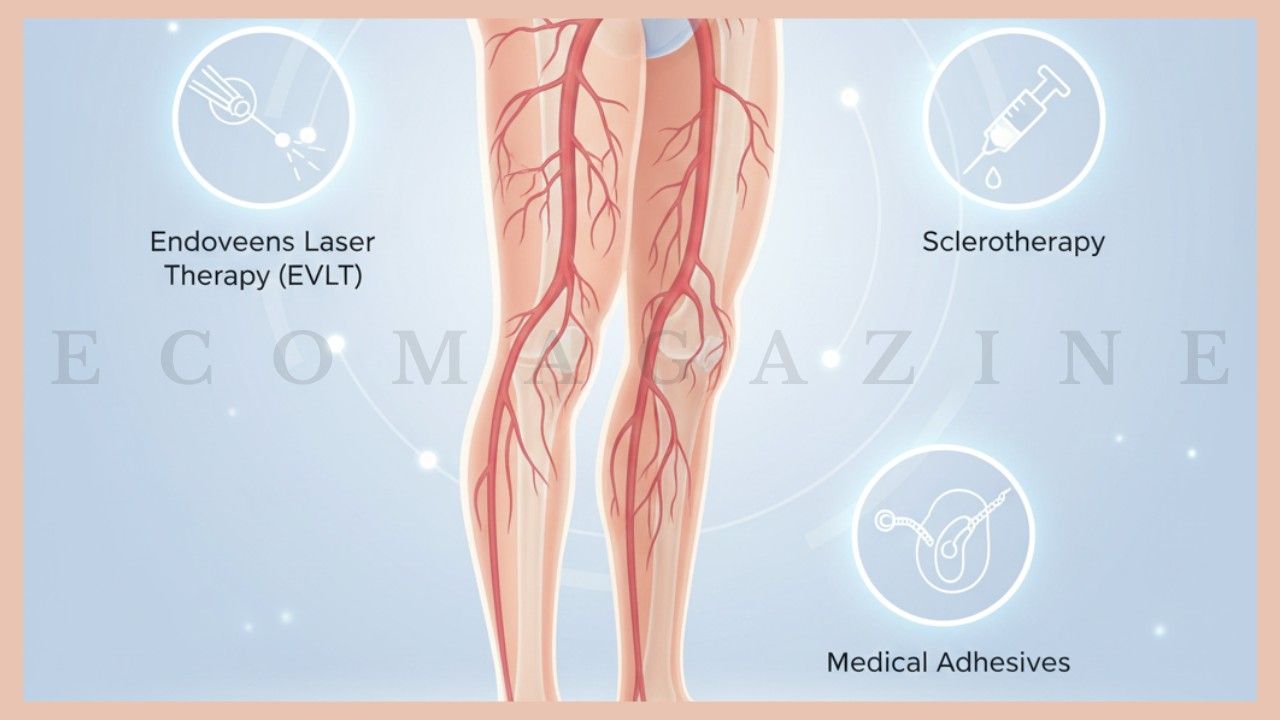
- Endovenous Laser Treatment (EVLT): A catheter is inserted into the vein, and laser energy is applied to close the vein from within.
- Ultrasound-Guided Foam Sclerotherapy: This advanced form of sclerotherapy uses foam to enhance the effectiveness of the treatment.
Both procedures are performed in an outpatient setting and typically involve little to no downtime, allowing us to return to our normal activities quickly.
Surgical Treatments for Severe Cases
In more severe instances of varicose veins, surgical intervention may be necessary. Some common surgical options include:
- Ligation: This simple procedure involves tying off a vein to redirect blood flow to healthier veins.
While surgical interventions may seem daunting, they can offer significant long-term relief and improvement in leg health, especially when other treatments have been ineffective.
Future Trends in Varicose Vein Treatments
As medical technology advances, new treatments for varicose veins continue to emerge. Future trends may include:
- Regenerative Medicine: Exploring stem cell therapy and other regenerative options could potentially repair damaged veins.
- Less Invasive Techniques: Innovations in minimally invasive procedures are likely to improve effectiveness and reduce recovery times.
- Personalized Treatment Plans: Tailoring treatments to individual needs based on genetic and lifestyle factors could optimize outcomes.
As we move forward, staying informed about these developments can help us make empowered decisions about our vein health.
Conclusion
To conclude, addressing varicose veins is crucial for both comfort and health. With a variety of treatment options available, including lifestyle changes, non-invasive methods, and surgical interventions, we have the tools necessary to find relief. By staying proactive and informed about our options, we can make choices that not only improve our quality of life today but also promote long-term vascular health. Let’s embrace these advancements and take the steps necessary to prevent and treat varicose veins effectively.
