


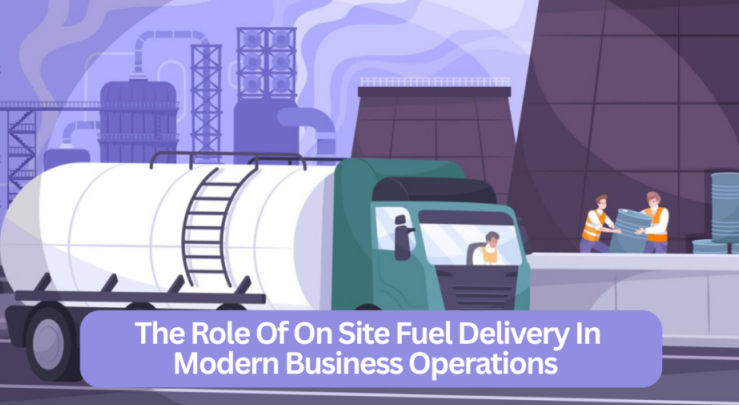
Fuel delivery on site provides a viable option. By employing methods of fuel getting to the equipment instead of vehicles going to gas stations, businesses save on downtime, improve scheduling, and can manage fuel expenses more efficiently. Consequently, this enables the teams to remain productive while removing the friction that is normally encountered with traditional fueling mechanisms.
This paper discusses six major advantages of on-site fueling, which include: time savings, cost savings, productivity, safe facilities, sustainability, and operational intelligence.
1. Time Preservation Through Direct Refueling
One of the most important resources in conducting business is time. Jobs often lose vehicles and equipment to go refueling at job sites, which has been linked to delays and idle periods that ripple through the workflow. On site fuel delivery eliminates such detours because fuel is transported directly to the vehicles, keeping operations moving efficiently. This strategy is especially critical in businesses with strict time frames, such as construction, mining, or logistics.
Operators spend more time working instead of waiting in lines or driving to fueling stations. As a result, reducing wasteful journeys significantly enhances fleet effectiveness and overall operational efficiency.
Moreover, on-site refueling provides greater shift control. Since fuel is available continuously, supervisors can organize work schedules without fear that refueling can stop processes. This simplified system improves communication, and projects are delivered within the set time with no incidental unplanned collapse.
2. Cost Control and Budget Predictability
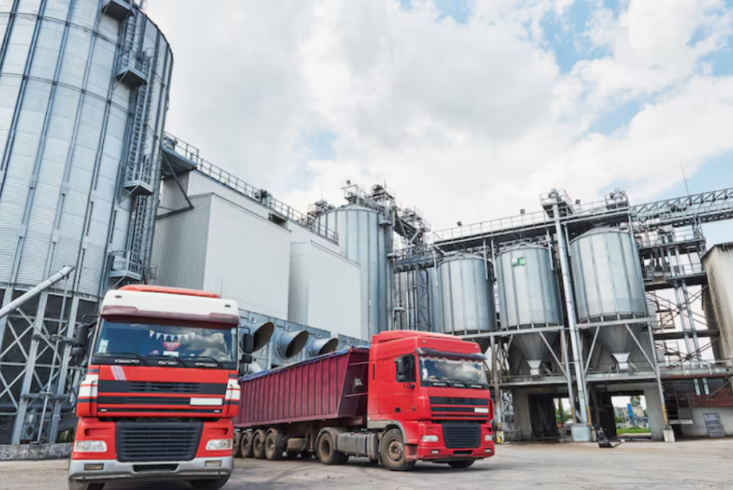
The costs of fuel do not end with what is charged at the pump. Every trip to a gas station consumes additional fuel, causes wear and tear on vehicles, and uses labor time that could be spent on productive tasks. On-site fuel delivery helps businesses eliminate these indirect costs by consolidating non-core fuel management tasks into a single, streamlined process.
Access to lower wholesale fuel prices allows companies to enjoy better rates, protect against market volatility, and more accurately predict fuel expenses. As a result, financial risk associated with conventional fueling systems is minimized, enabling finance teams to plan strategically both in the short and long term.
By reducing unnecessary trips to refueling stations, businesses also lower vehicle maintenance expenses and prolong the service life of equipment.
3. Productivity Enhancement and Workflow Efficiency
The effect of fuel management on productivity is direct: machines cannot add value when they wait to be fueled, and when they are fueled. By contrast, on-site fueling reduces downtimes, ensuring that project timelines are kept lean and work schedules run smoothly.
It is also easier to coordinate the movement of vehicles and fleets, because the quantity of fuel available is predictive rather than reactive. As a result, this enhances operational agility, allowing teams to adjust to changing priorities without the fear of fueling logistics. Fuel can be planned or booked based on strategic requirements, rather than responding to unexpected deficiencies.
Studies on fuel usage optimization demonstrate measurable performance benefits in logistics and transportation, confirming that structured fueling strategies reduce wasted resources while enhancing workflow effectiveness.
4. Safety Improvements Across Operations
The very process of working with fuel is dangerous, and it may lead to such safety risks as spillage, traffic accidents, and fire hazards. The exposure to these risks is increased by the transport of vehicles to public stations. On-site fueling is the least dangerous option since fuel delivery to the site is overseen by professionally trained people.
Controlled on-site environments allow for safer handling procedures. Safety measures include spill containment, proper storage, and adherence to local regulations.
Therefore, the reduced number of incidents will result in reduced downtime, lowered liability, and a less risky approach to expensive regulatory penalties, and a safer and more reliable operation.
5. Sustainability and Environmental Responsibility
Minimizing unnecessary travel has a direct effect on carbon emissions. Hence, delivery of fuel on site removes several vehicle journeys to the fueling points, reduces vehicle idling, and greenhouse gas emissions.
Therefore, the adoption of this practice offers companies the opportunity to demonstrate the desire to be environmentally responsible, which corresponds to both the regulatory requirements and corporate sustainability objectives.
In addition, the decreased emissions will lead to cost savings in the long run by reducing the use of fuel. Integrating on-site fueling into an overall green strategy provides measurable environmental and operational benefits, positioning businesses as responsible and efficient operators.
6. Operational Intelligence and Strategic Control
Fuel consumption information is a useful tool that is mostly not used fully. On-site fuel delivery solutions combined with digital tracking give accurate information about the fuel consumption habits, vehicle usage, and operator actions.
With this data, managers can identify areas of inefficiency, prevent fuel theft, and optimize refueling schedules. Further understanding of equipment use also guides the planning of where to deploy the equipment, equipment maintenance methods, and results in enhanced operational management.
Ultimately, careful planning of fuel leads to cost savings, improved accountability, and better resource utilization. By combining evidence-based decisions with reliable on-site fuel provision, businesses gain a competitive advantage and maintain stronger control over their operations.
Conclusion
The process of fuel management is not only a logistical task but also a strategic element, as it influences productivity, cost-efficiency, safety, and environmental footprint. In this context, on-site fuel delivery turns fuel from a potential bottleneck into a valuable operational asset.
By delivering fuel directly to their vehicles and equipment, businesses save time, lower expenses, and establish a steady workflow.
Furthermore, management can incorporate this strategy with online monitoring and strategic planning as a means of enhancing operational intelligence, protecting profitability, and supporting long-term operational growth.
