


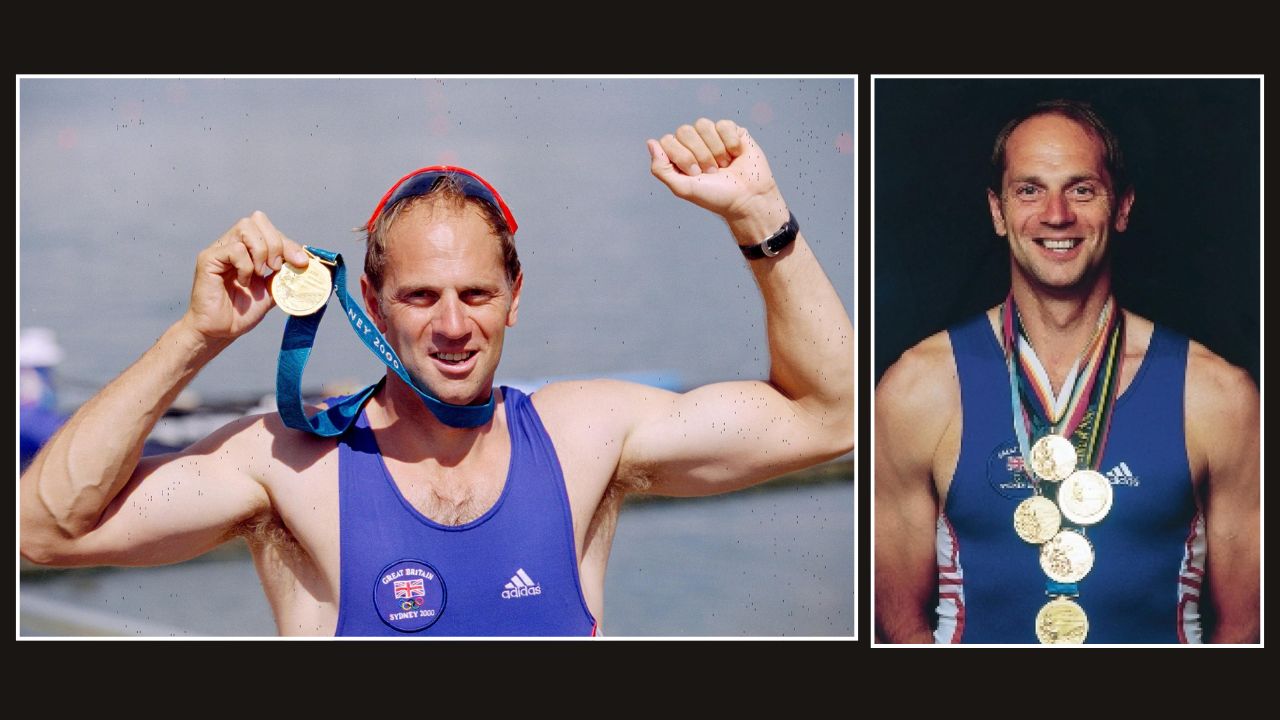
Steve Redgrave
Steve Redgrave stands among the most respected athletes in modern sporting history. His journey from a determined young rower to a five-time Olympic champion shaped the identity of British rowing for decades. Throughout his career, he demonstrated discipline, courage, and relentless focus. As a result, his name remains closely linked with excellence, even in 2025 and 2026 discussions about legendary Olympians.
Unlike many athletes who shine briefly, Steve Redgrave sustained elite performance across five Olympic cycles. That rare consistency places him in a category reserved for the greatest competitors of all time. Moreover, his achievements continue to influence new generations of rowers across the United Kingdom and beyond.
Early Life and Sporting Foundations
Childhood and Education
Steve Redgrave was born on 23 March 1962 in Bishop’s Stortford, Hertfordshire, England. From an early age, he showed natural athletic ability. However, raw talent alone did not define his future. Instead, strong work habits and structured training built his foundation.
During his school years, he explored different sports before focusing seriously on rowing. Eventually, structured coaching helped him refine technique, endurance, and mental strength. Therefore, by his late teenage years, he had already gained attention within British rowing circles.
Entry Into Competitive Rowing
As his skills improved, Steve Redgrave entered national competitions with confidence. Success did not arrive overnight. Rather, steady improvement marked his early years. Coaches noticed his powerful stroke and calm mindset under pressure. In addition, he displayed strong leadership qualities, which later became essential in team events.
By the early 1980s, he had secured a place among Britain’s top rowers. Consequently, international competition became the next natural step in his journey.
Olympic Glory Across Five Games
Breakthrough at the 1984 Olympics
The first major milestone came at the 1984 Summer Olympics. There, Steve Redgrave captured his first Olympic gold medal. This victory established him as a serious international contender. More importantly, it marked the beginning of a historic Olympic run.
Winning once can be extraordinary. However, maintaining dominance over decades requires exceptional resilience.
Continued Dominance in Seoul and Barcelona
Four years later, he competed at the 1988 Summer Olympics. Once again, he secured gold. At this stage, critics began discussing his growing legacy. Yet he refused to relax. Instead, he intensified his preparation for future Games.
At the 1992 Summer Olympics, he delivered another gold-medal performance. By this point, he had become the face of British rowing. Furthermore, his partnership dynamics and race strategy showed remarkable maturity.
Atlanta and the Pressure of Expectation
The 1996 Summer Olympics presented intense pressure. Media attention increased dramatically. Nevertheless, Steve Redgrave remained composed. Through disciplined training and sharp focus, he achieved yet another Olympic victory.
Four consecutive gold medals placed him among the rarest group of athletes in sporting history. Still, he chose to continue.
Historic Fifth Gold in Sydney
The defining chapter arrived at the 2000 Summer Olympics. Battling physical strain and immense expectations, he secured his fifth consecutive Olympic gold medal. This achievement confirmed his legendary status.
After crossing the finish line, he delivered an emotional message about dedication and sacrifice. That moment symbolized the culmination of two decades of elite performance.
World Championships and International Impact
While Olympic success shaped his reputation, his influence extended beyond the Games. Steve Redgrave also collected multiple World Championship titles. These victories demonstrated year-round dominance rather than reliance on Olympic cycles alone.
International competitors respected his consistency. In addition, rowing federations across Europe studied his training methods. Therefore, his techniques influenced coaching systems for years to come.
His presence also elevated British rowing on the global stage. Funding, youth participation, and national support increased significantly during and after his career. As a result, the sport experienced sustainable growth.
Mental Strength and Leadership
Handling Pressure
Elite sport demands more than physical strength. Steve Redgrave mastered mental control under extreme conditions. For example, he maintained composure in high-stakes finals where fractions of seconds determined outcomes.
Instead of focusing on opponents, he concentrated on rhythm and execution. Consequently, his races often reflected precision rather than emotional reaction.
Team Dynamics
Rowing requires synchronization. Steve Redgrave understood the importance of trust within a crew. Therefore, he invested time in communication and preparation with teammates.
His leadership style combined firmness with encouragement. In addition, he motivated partners to push beyond perceived limits. That collaborative spirit played a decisive role in repeated Olympic triumphs.
Overcoming Health Challenges
In 1997, doctors diagnosed Steve Redgrave with Type 1 diabetes. Many believed this condition might end his competitive career. However, he refused to accept limitation as destiny.
Instead, he adapted his diet, monitored blood sugar carefully, and adjusted training intensity. Medical professionals worked closely with him to maintain performance stability. As a result, he returned stronger and prepared for the Sydney Olympics.
His success after diagnosis inspired athletes facing medical challenges. Therefore, his story carries significance beyond medals.
Recognition and National Honors
In 2001, the United Kingdom honored Steve Redgrave with a knighthood for services to rowing. This recognition reflected not only sporting success but also national pride.
He later carried the British flag at the Sydney Olympic opening ceremony, representing the Great Britain Olympic Team. That symbolic role highlighted his stature within British sport.
Moreover, sports institutions frequently invite him to speak at leadership conferences and athlete development programs. His insights continue to shape sporting culture.
Life After Competitive Rowing
Transition to Public Life
Retirement from competition did not end his influence. Instead, Steve Redgrave shifted toward mentoring and public engagement. He participates in youth development initiatives and promotes healthy lifestyles.
Furthermore, he supports diabetes awareness campaigns. His personal experience gives credibility to his advocacy work. Therefore, he serves as a role model for resilience and responsible health management.
Media and Commentary
In addition to mentoring, he contributes to sports broadcasting during major rowing events. His expert analysis provides viewers with technical understanding of race strategy and preparation.
Through interviews and appearances, he reflects on Olympic history while also discussing modern athletic development. Consequently, his voice remains relevant in 2025 and 2026 sporting conversations.
Training Philosophy and Discipline
Steve Redgrave believed in structured repetition and incremental improvement. Rather than chasing shortcuts, he trusted consistent daily effort. Training sessions often involved long endurance rows combined with technical drills.
Nutrition also played a key role in sustaining peak condition. Therefore, balanced diet planning complemented physical preparation.
Moreover, he emphasized recovery as strongly as exertion. Adequate rest, stretching routines, and medical monitoring helped maintain longevity in a physically demanding sport.
Influence on British Rowing Culture
British rowing experienced a transformation during his era. Increased visibility attracted young athletes. Funding bodies invested more resources into high-performance programs.
In addition, rowing clubs across the country adopted more professional standards. Consequently, the United Kingdom continued winning medals even after his retirement.
Many modern British rowers cite Steve Redgrave as a primary inspiration. His career set benchmarks for dedication and sportsmanship.
Legacy in 2025 and 2026
As of 2025 and 2026, Steve Redgrave remains a reference point when discussing Olympic greatness. Analysts frequently compare contemporary athletes to his record of five consecutive gold medals.
His achievements continue to symbolize persistence across changing eras of sport science and competition. Moreover, educational institutions include his career in leadership case studies.
Importantly, his legacy extends beyond records. He demonstrated that resilience, teamwork, and personal accountability create sustainable excellence.
Key Achievements Overview
- Five consecutive Olympic gold medals
- Multiple World Championship victories
- Knighted for services to sport
- Advocate for diabetes awareness
- Influential mentor and sports commentator
Each accomplishment reinforces his place among Britain’s most admired sporting figures.
Why Steve Redgrave’s Story Endures
Sport evolves constantly. Training technology advances. Competition intensifies. However, certain qualities remain timeless. Determination, discipline, and courage define lasting greatness.
Steve Redgrave embodied those traits throughout his career. Therefore, his story continues to inspire athletes, students, and leaders worldwide.
His life illustrates that excellence demands sustained effort over many years. Moreover, it proves that adversity does not end ambition. Through careful planning and unwavering focus, he transformed challenges into milestones.
Conclusion
Steve Redgrave represents far more than a decorated Olympic rower. He symbolizes endurance, leadership, and national pride. Across five Olympic Games, he demonstrated unmatched consistency and mental strength.
Even decades after his final race, his name commands respect within global sport. As new athletes emerge in 2025 and 2026, comparisons inevitably return to his extraordinary achievements.
Ultimately, Steve Redgrave’s legacy rests not only on medals but on character. His journey shows that greatness grows through commitment, resilience, and belief in long-term goals.
READ MORE: Why Millie & Jones Is Different: A Comprehensive Review of Excellence in Kids and Teen Beds
