


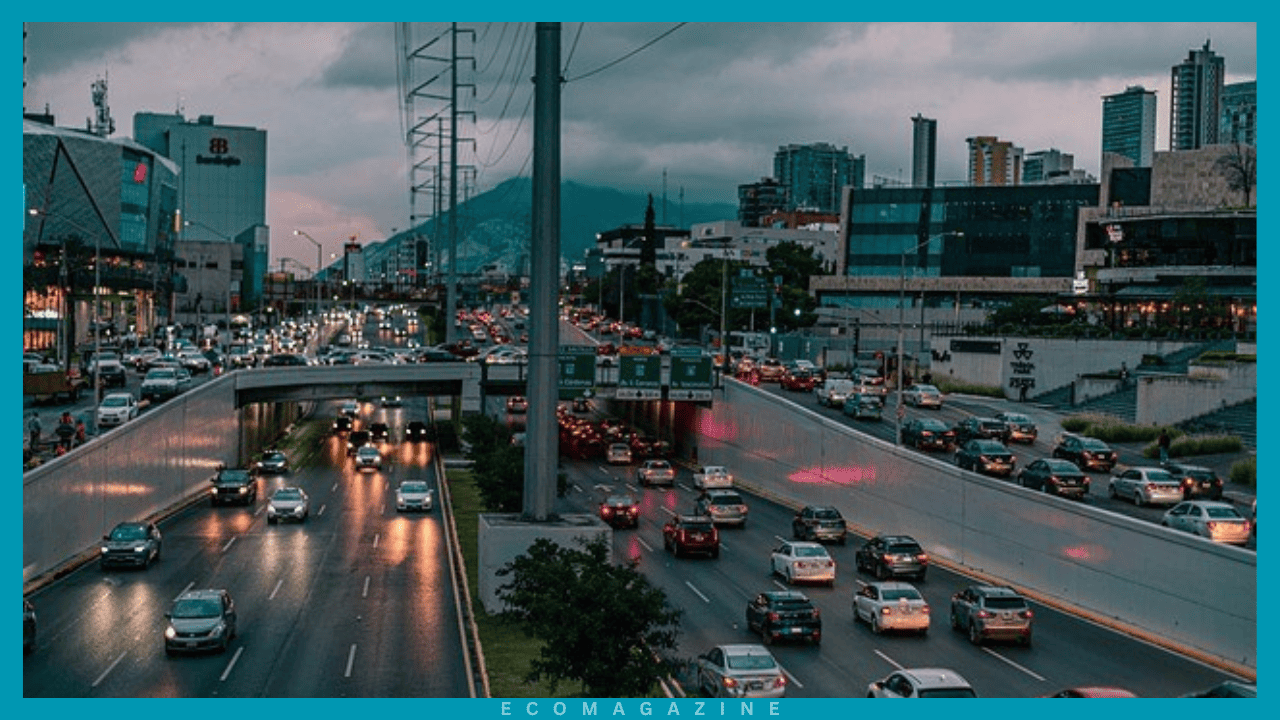
Cities live, evolve, and build around the city infrastructure. Infrastructure dictates the daily experience of millions of human beings in terms of their transport system, energy grids, water management systems, and residential neighborhoods. With the rapid growth of urban centers worldwide, we must now focus on building smarter, greener, and more resilient cities. The future of the urban infrastructure will be how well societies will balance technological innovations with the need to remain sustainable.
Why Urban Infrastructure Matters
Cities are complicated ecologies. They offer the combination of economic opportunities, cultural diversity and innovation, yet they also have problems of congestion, pollution and disparate access to services. City infrastructure is important in solving these problems. Good transport systems minimize the time and emissions spent on the road; good water systems keep populations healthy and strong energy systems supply homes and industries. Cities do not have sufficient infrastructure that can support their increasing population.
The Shift Toward Smart Cities
Smart cities are evidenced to show that technology is altering conventional infrastructure. Urban areas can be made more efficient and responsive by incorporating sensors, data analytics, and connectivity in the daily services. Examples include:
- Smart traffic management systems, which rely on real time information to minimize congestion.
- Green buildings are designed to use minimal energy, cut down on waste, and lower overall operating costs.
- Online solutions, which would allow inhabitants to report their problems (broken streetlights or water leaks) to local authorities.
Not only does such incorporation of technology enhance efficiency, but it also enables citizens as they become increasingly active in the formation of their environments.
Sustainability as a Central Priority
Innovation remains important, yet the central challenge lies in sustainability. Climate, resources and environmental degradation imply that infrastructures need to be adapted to reduce the ecological footprint. Strategies that are likely to be used in future cities include:
- The use of renewable energy: Solar panels, wind turbines and hydro systems are appearing in urban planning with increased frequency.
- Green construction: Utilizing recycled materials, enhancing insulation, and improving energy efficiency.
- Promoting eco-friendly Green transport travel through public transportation, dedicated cycling lanes, and walkable pathways to reduce dependence on private vehicles.
The goal is not just to reduce carbon footprints but to create urban spaces where people and nature can coexist.
Challenges Facing Modern Infrastructure
Despite the advances, several challenges complicate the development of sustainable and innovative infrastructure:
- Funding and investment- Large projects are very capital intensive and capital is not always available, particularly in developing countries.
- Old-fashioned infrastructure– Most cities in the world use old infrastructure that is very expensive to maintain and hard to upgrade.
- Equity and inclusivity –Infrastructure needs to be available to every resident, the richest. Fair access is an ongoing problem.
- 4Disaster resilience – Cities need to be ready against natural disasters, cyber-attacks and other crises that can wreak havoc on their infrastructure.
Balancing these factors requires careful planning, international cooperation, and forward-thinking leadership.
The Role of Innovation in Construction
The way things are built is evolving at an alarming rate in reaction to these challenges. Prefabricated construction materials, 3D printing and modular housing are on the way. These innovations increase the rate of construction, are cost saving and less wasteful on the environment. Moreover, computer-based software such as Building Information Modeling (BIM) enables architects and engineers to simulate projects prior to their construction to minimize mistakes and enhance efficiency.
It marks a transformation in technology as well as culture. The construction and engineering industry now embraces sustainability as a core principle and emphasizes that future infrastructure must prioritize durability and eco-friendliness. Organizations such as NWIR illustrate how specialization and expertise in infrastructure-related fields can make meaningful contributions to shaping resilient urban landscapes.
The Human Element
Infrastructure isn’t just made of concrete, steel, and technology—it’s also shaped by the people behind it. The development of sustainable cities relies heavily on the efforts of communities, policymakers, urban designers, and engineers. Public consultation: This makes sure that the projects cater to the requirements of the locals. Expert training and education facilitate the training of workers to new technologies and approaches. Most importantly, infrastructure should work to the benefit of people through safe and efficient and inclusive environments.
In the example of designing a transport network, you are not only thinking about moving vehicles; you are thinking about people accessing jobs, health care, and education. Likewise, the housing developments should be pocket-friendly and accessible, and architecture-wise. Planners can shape infrastructure into a tool for social development by placing people at the center of decision-making.
Global Examples of Progress
Many cities across the globe serve as models for the future of urban infrastructure:
- Copenhagen, Denmark: The city, with its cycling culture and renewable energy integration, has become a role model in terms of sustainability.
- Singapore: Singapore has built a high-tech system of water recycling and urban agriculture through its smart city programs.
- Curitiba, Brazil: It was the first to implement bus rapid transit (BRT) systems, which later inspired adoption in other parts of the world.
- Tokyo, Japan: It is still pioneering in the Japanese earthquake-resistance construction and urban designs.
These examples prove that while challenges exist, people can create smart solutions when they align innovation with sustainability and social needs.
Looking Ahead: The Next Decade
Over the next ten years, the future of infrastructure will likely be shaped by several key trends:
1. Digital integration – Increasing the presence of artificial intelligence, data analytics, and automation.
2. Localized energy systems- Decentralized energy systems increase resilience and reduce dependence on fossil fuels.
3. Circular economic solutions- Recycling construction waste and creating buildings that are easy to adapt or to deconstruct.
4. Climate adaptation – Construction of seawalls, floodproof buildings and urban forms that withstand heat.
5. Cross-sector partnership – Governments and private businesses and communities operating as one to find holistic solutions.
Companies and professionals such as NWIR emphasize the role of industry knowledge and the skills of specialists in addressing these urgent issues in a practical and sustainable manner.
Conclusion
Innovation and sustainability are the two concepts that intersect at the future of urban infrastructure. As cities keep expanding, the demand for smarter, greener, and more resilient urban spaces will continue to increase. Infrastructure will have to adapt to the needs of the future with renewable energy and sustainable building, digital connection and inclusive design.
Finally, infrastructure is not just a technical requirement, it is the foundation of urban living, it defines how individuals work, live and interact. Societies can invest in the solutions that look forward today so that in the decades to come they will have built cities that will not only survive but will prosper.
