


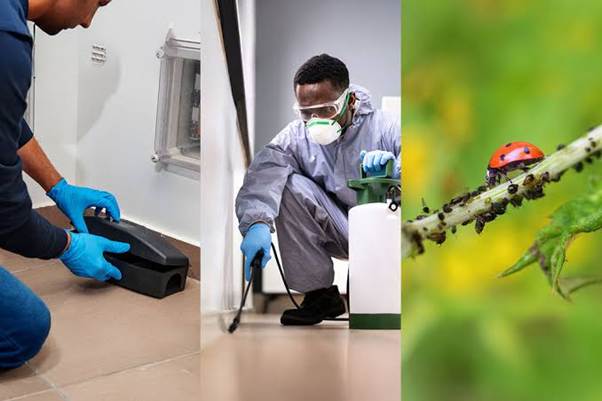
Pests are more than just an inconvenience, they can damage your property, contaminate food, spread diseases, and create expensive repair bills if left unchecked. From ants and cockroaches to rodents, fleas, and wasps, every homeowner faces the possibility of a pest infestation at some point. Fortunately, many pest problems can be prevented with the right habits and regular property maintenance.
The key to effective pest prevention is acting before pests become established. Early action saves money, protects your family’s health, and helps maintain the value of your home. If you notice recurring pest activity despite your efforts, professional Pest Control in Tower Hamlets services can provide tailored solutions to keep your property pest-free.
Why Pest Prevention Matters
Many homeowners wait until they see pests before taking action. Unfortunately, by that point, an infestation may already be well established.
Preventative pest control offers several benefits:
- Reduces the risk of infestations
- Protects your home’s structure
- Prevents food contamination
- Safeguards your family’s health
- Minimises costly repairs
- Improves comfort and peace of mind
Regular maintenance is always easier and more affordable than dealing with a widespread infestation.
Common Household Pests
Understanding which pests commonly invade homes helps you recognise problems early.
Some of the most frequent household pests include:
- Mice
- Rats
- Cockroaches
- Ants
- Fleas
- Bed bugs
- Wasps
- Spiders
- Silverfish
- Pigeons around roof spaces
Each pest requires different prevention methods, but they all seek the same essentials, food, water, and shelter.
Keep Your Home Clean
Cleanliness is one of the most effective ways to discourage pests.
Simple daily habits include:
- Wiping kitchen surfaces after cooking
- Sweeping and vacuuming floors regularly
- Cleaning behind appliances
- Emptying rubbish bins frequently
- Washing dishes promptly
- Removing food crumbs
A clean home provides fewer opportunities for pests to survive.
Store Food Properly
Food is one of the biggest attractions for household pests.
Protect pantry items by storing:
- Flour
- Rice
- Pasta
- Cereals
- Sugar
- Pet food
in airtight containers.
Avoid leaving fruit exposed for long periods and never leave pet food out overnight.
Eliminate Sources of Moisture
Many pests rely on water to survive.
Inspect your home for:
- Leaking pipes
- Dripping taps
- Damp basements
- Blocked gutters
- Condensation
- Standing water
Repairing water leaks helps discourage insects and rodents while preventing mould growth.
Seal Entry Points
Even tiny openings can allow pests inside.
Inspect your property for:
- Wall cracks
- Gaps beneath doors
- Damaged vents
- Utility pipe openings
- Broken window seals
- Roof gaps
Seal these openings using durable materials to reduce pest access.
Maintain Your Garden
Outdoor maintenance plays an important role in pest prevention.
Keep your garden tidy by:
- Trimming shrubs
- Cutting long grass
- Removing piles of leaves
- Clearing fallen fruit
- Storing firewood away from the house
- Keeping compost bins covered
A well-maintained garden provides fewer hiding places for pests.
Dispose of Waste Correctly
Overflowing bins attract rodents, birds, flies, and insects.
Good waste management includes:
- Using bins with secure lids
- Emptying rubbish regularly
- Cleaning bins occasionally
- Separating food waste
- Avoiding overflowing outdoor bins
Proper rubbish disposal reduces food sources for pests.
Protect Your Pets
Pets can unintentionally introduce pests into your home.
To reduce risks:
- Use routine flea treatments.
- Groom pets regularly.
- Wash pet bedding often.
- Keep feeding areas clean.
- Schedule regular veterinary check-ups.
Healthy pets are less likely to carry fleas and other parasites indoors.
Inspect Your Home Regularly
Routine inspections help identify problems before infestations become severe.
Look for:
- Rodent droppings
- Gnaw marks
- Insect wings
- Damaged food packaging
- Bird nesting materials
- Unusual odours
Early detection allows faster and more affordable treatment.
Don’t Ignore Wasp Activity
During warmer months, wasps often build nests around homes.
Common nesting locations include:
- Roof spaces
- Garden sheds
- Garages
- Wall cavities
- Trees
- Loft areas
Attempting to remove an active nest yourself can be dangerous, especially if disturbed wasps become aggressive. Professional Wasp Nest Removal services use the correct equipment and techniques to remove nests safely while reducing the risk of stings.
Seasonal Pest Prevention Tips
Different seasons bring different pest challenges.
Spring
- Check for winter damage.
- Seal exterior cracks.
- Inspect roof spaces.
Summer
- Keep windows screened.
- Remove standing water.
- Store outdoor food properly.
Autumn
- Seal entry points before temperatures drop.
- Trim vegetation near the home.
- Clean gutters.
Winter
- Monitor lofts and basements.
- Store food securely.
- Watch for signs of rodents.
Seasonal maintenance reduces the likelihood of year-round infestations.
Common Pest Prevention Mistakes
Many homeowners unintentionally encourage pests by making simple mistakes.
These include:
- Leaving food uncovered
- Ignoring small leaks
- Allowing clutter to accumulate
- Delaying repairs
- Overfilling rubbish bins
- Skipping routine inspections
Correcting these habits significantly lowers infestation risks.
Benefits of Professional Pest Prevention
While home maintenance is essential, professional inspections provide additional protection.
Experienced pest specialists can:
- Identify hidden pest activity
- Detect structural vulnerabilities
- Recommend preventative treatments
- Locate nesting areas
- Offer long-term management plans
Regular inspections are particularly valuable for older homes or properties located near parks, waterways, or commercial areas where pest activity is higher.
Signs It’s Time to Call a Professional
Contact a pest control expert if you notice:
- Persistent scratching noises
- Multiple wasps around your roof
- Rodent droppings
- Flea bites
- Damaged food packaging
- Frequent pest sightings
- Unpleasant odours
Ignoring these warning signs often allows infestations to become more difficult and expensive to resolve.
Build Long-Term Pest Prevention Habits
The most effective pest prevention strategy combines routine maintenance with consistent cleaning.
Develop habits such as:
- Weekly vacuuming
- Monthly property inspections
- Prompt repair of leaks
- Proper food storage
- Regular garden maintenance
- Responsible waste disposal
Small preventative actions throughout the year provide lasting protection against many common household pests.
Final Thoughts
Pest prevention is an ongoing responsibility that helps protect your home, your belongings, and your family’s health. By maintaining good hygiene, sealing entry points, managing waste properly, and conducting regular inspections, homeowners can greatly reduce the likelihood of infestations.
Although no property is completely immune to pests, a proactive approach makes your home far less attractive to insects, rodents, and birds. When preventative measures are no longer enough, professional pest control services can identify hidden issues, eliminate existing infestations, and provide long-term solutions that keep your property safe, clean, and pest-free throughout the year.
