


Thailand has become one of the most sought-after destinations for body art, especially among travelers and expatriates who value both creativity and cultural depth. As demand continues to grow, understanding tattoo safety standards is essential for anyone considering a session in this vibrant country. Whether you are exploring tattoo shops in Phuket for your first piece or planning to experience the precision of Japanese tattoos in Thailand, it is essential to know how the industry maintains hygiene, sterilization, and client safety. This guide explains what expatriates should expect and how to ensure their tattoo experience is both meaningful and safe.
Thailand’s hygiene and sterilization regulations
Thailand has implemented clear hygiene standards that all licensed tattoo studios are required to follow. These standards prioritize the safety of clients and artists by controlling infection risks and ensuring responsible practices. Reputable studios use medical-grade equipment, regularly sterilize workstations, and maintain proper waste disposal protocols. Many well-established tattoo shops Phuket follow strict guidelines modeled after international health recommendations to attract both local and foreign clients who value safety.
Importance of single-use equipment
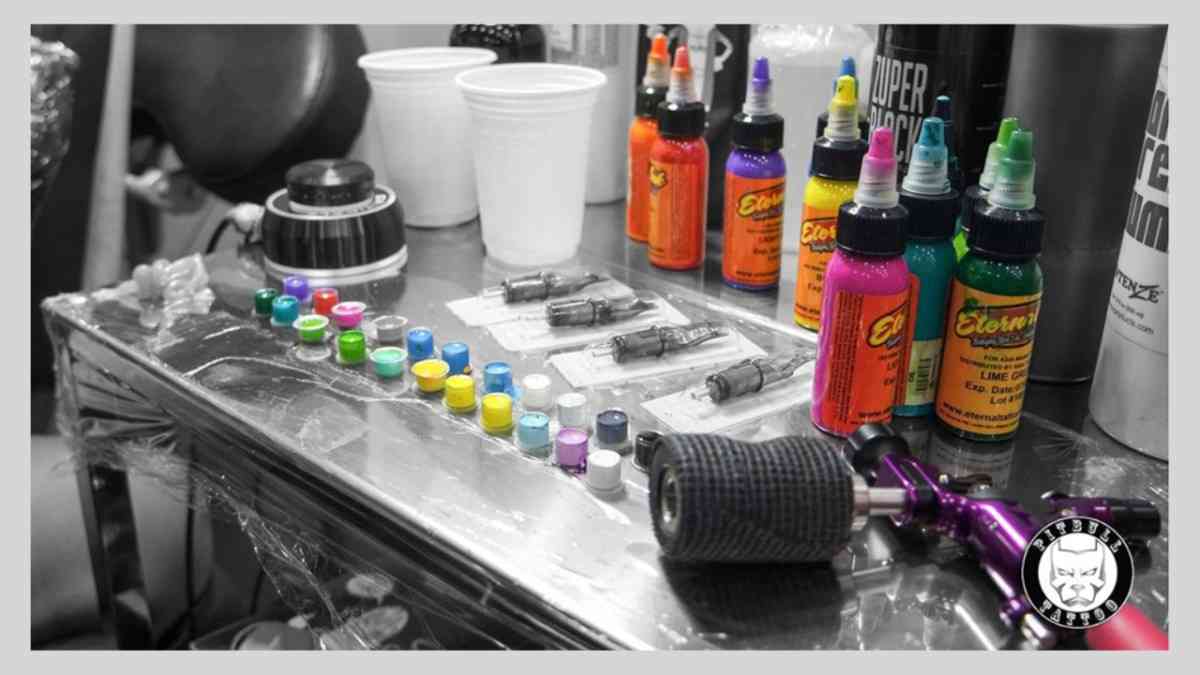
One of the most critical aspects of safe tattooing is the use of single-use materials. Needles, gloves, razor blades, and ink caps must be opened in front of the client to guarantee they are sterile. High-quality tattoo studios in Phuket also maintain detailed logs of their sterilization procedures, adding another layer of accountability. For expatriates seeking Japanese tattoos in Thailand, selecting an artist who consistently uses disposable items ensures the integrity of the artwork and significantly reduces the risk of contamination.
Surface sanitation and clean-room practices
Professional studios operate using clean-room techniques to maintain a sterile environment. Artists disinfect all surfaces before and after each session, use protective barriers over high-touch areas, and ensure that machines and cables are wrapped to avoid cross-contamination. These practices show clients that their health remains the highest priority throughout the entire process. Many well-rated tattoo shops Phuket openly display their sanitation protocols to provide reassurance to visitors who may be unfamiliar with local health regulations.
Artist training and certification
Skilled tattoo artists in Thailand receive thorough training that includes hygiene management, equipment handling, and post-procedure care standards. Many artists who specialize in Japanese tattoos in Thailand have completed advanced apprenticeships to ensure that their work meets both artistic and hygienic expectations. When selecting a studio, expatriates should inquire about the artist’s training, licensing, and certifications to make informed decisions before starting the tattoo session.
What expats should check before booking a tattoo
Expatriates should conduct a quick safety checklist before scheduling their appointment. The studio must appear clean, the staff should answer questions regarding sterilization procedures, and the artist should demonstrate their use of sealed, single-use tools. It is also beneficial to read reviews and verify the reputation of the studio, primarily if it specializes in detailed styles such as Japanese tattoos in Thailand. This level of preparation helps clients feel confident and supported throughout the tattooing experience.
Understanding Thailand’s tattoo safety standards allows expatriates to enjoy artistic expression without compromising their health. Choosing reputable tattoo shops Phuket, verifying sterilization practices, and selecting trained artists contribute to a safer and more enjoyable session. With the proper precautions, clients can fully appreciate the cultural richness and craftsmanship that Thailand’s tattoo community offers.
