

Innovation and sustainability transformations in the waterfront infrastructure sector are within the marine industry’s modern marvels. Floating platforms are a new tech mainstay for environmentally safe and efficient operations in aquaculture, logistics, recreation, and environmental research. The modular, adaptable technology provides the ability to construct water-based infrastructure without the disruption of permanent, water-based structures.
For B2B enterprises, automated dock manufacturing technology augments customized, modular, adaptable system manufacturing to other B2B operational needs. These technologies are stable and adaptable primary structures for recreational, industrial, and environmental enterprises, and operational technologies for long-term sustainable business operations.
For B2B enterprises, automated dock manufacturing technology augments customized, modular, adaptable system manufacturing to other B2B operational needs. These technologies are stable and adaptable primary structures for recreational, industrial, and environmental enterprises, and operational technologies for long-term sustainable business operations.
This document provides an outline of the transformational marine infrastructure floating platforms technology and the reasons technology-adopting enterprises and businesses continue to excel…
Transformation of Floating Platforms in Marine Development
Over time, floating platforms have supported the growth of marine structures, including accommodations and service -commercial and recreational – floating communities. Formerly, platforms were simply float support structures for recreational docks and marinas. Today, these systems support dynamic, expandable, relocatable, and reconfigurable applications across multiple industries. This enables businesses to sustain adaptability and fosters growth within projects.
Floating structures in the industrial sector support heavy-duty equipment, pipelines, or offshore power systems. In the tourism and recreation industry, they support and provide environmentally integrated, stylish, and sustainable attractions such as marinas, event centers, and floating dining venues.
Environmental organizations and research institutes also utilize floating structures as observational points, hubs for renewable energy, and artificial eco-systems. Their eco-friendly floating structures and minimal contact with the seabed make them indispensable for developing sustainable marine construction.
This development is the result of a worldwide trend in adaptive, flexible, reusable construction aimed at lowering expenses, mitigating adverse effects on the environment, and improving the versatility of operations.
Engineering Excellence: What Makes Floating Platforms Reliable
Every floating platform is a result of precision engineering, innovation, and construction discipline in a process commonly referred to as Quality Assurance. Professional dock builders take care to ensure these systems function in a variety of water conditions while providing safety, buoyancy, and stability.
Material Innovation
Advanced high-density polyethylene (HDPE) and marine-grade aluminum make the best floating marine structures because they resist corrosion and last a long time. While providing the structure with long-term sustainability to withstand harsh marine conditions, aluminum offers the HDPE eco-friendliness and light weight.
Structural Design
The designers built all floating modules for maximum buoyancy and load rupture. Engineers perform stability and performance calculations using computer-aided models and hydrodynamic simulations across a range of conditions, including wave, wind, and level changes in water.
Connection Systems
Interlocking systems, pins, and bolts create solid connections between modular sections that users can assemble and reconfigure in moments. Reinforced joints and rounded corners reduce impact stress and enhance operational safety.
Safety Features
New editions of modular floating systems include anti-slip modules, rounded edges, and adjustable safety horizontal and vertical rail systems. Various industries use these modular systems, which have developed B2B safety features.
Sustainability and Performance Testing
Top-tier platforms undergo testing for buoyancy, UV stability, temperature, and durability as mandated. Extreme conditions will impact the platforms, so testing ensures they perform well and do not degrade during their expected service life.
The floating platforms illustrate design and engineering perfection by combining performance and sustainable engineering to deliver balance, strength, and adaptability for their intended purpose.
Industrial, Recreational, and Environmental Applications
Floating platforms have utility in a number of industries. They offer a combination of modularity and adaptability that can be used for different purposes in various commercial and recreational and scientific applications.
Industrial and Commercial Operations
In the logistics, construction, and offshore industries, floating platforms act as staging areas, loading docks, or workstations. They provide safe and efficient operational access to environments that would be too expensive or impossible to build permanent structures.
Aquaculture and Fisheries
In aquaculture, floating platforms accommodate the operational stations, feed systems, and fish cages. Their flexibility allows farmers to tailor operations to the prevailing environmental conditions and to quickly adapt to different currents and tides.
Recreational and Tourism Developments
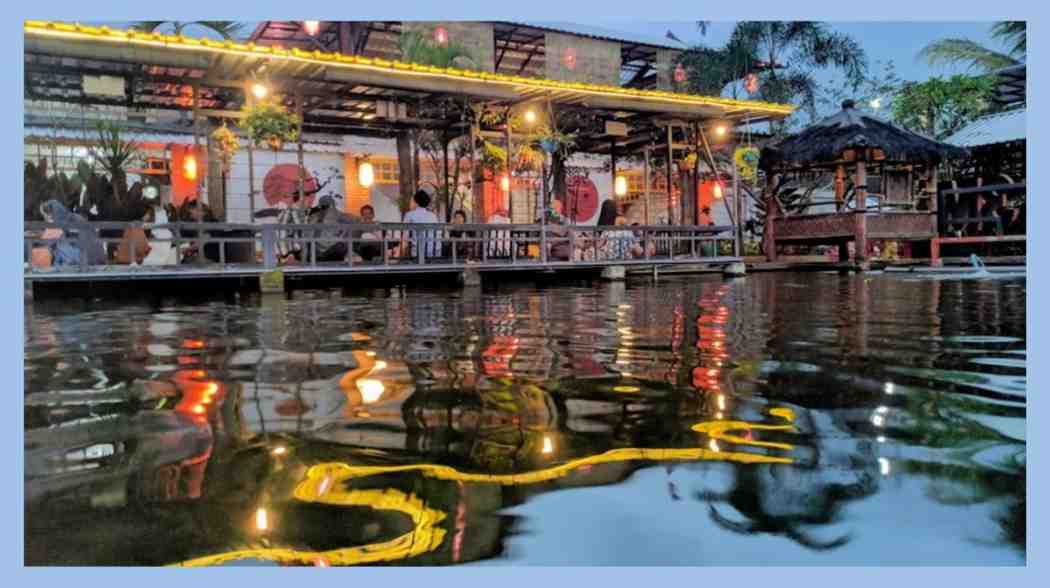
Floating platforms are the backbone of contemporary entertainment and leisure by the water. Modular docks have become common in resorts and marinas to provide water sports, mooring facilities, and even luxury floating restaurants that are both functional and beautiful. These systems improve guest experience by offering environmental compliance.
Environmental Research and Conservation
Floating platforms are used by scientists and environmental organizations to monitor water quality, conduct research, or restore habitats. Their low-impact design and mobility make them suitable for both short-term and long-term deployments.
Renewable Energy Projects
Floating solar farms and offshore wind stations depend on lightweight, stable platforms to support their renewable energy technologies. These systems are modular, which means that they are easy to scale and maintain.The variety of functions demonstrates why floating platforms have become desirable and critical infrastructure for businesses that operate on or in proximity to water.
Environmental and Economic Benefits to B2B Companies
The floating platforms previously mentioned provide great benefits that assist in meeting the economic and sustainability objectives of contemporary enterprises.
Sustainable Construction
Floating platforms have no pile-driving and dredging, conserving the integrity of the marine ecosystem. Construction with materials like HDPE and aluminum, which are recyclable, helps to keep the floating platforms eco-friendly.
Efficient Installation and Low Upkeep
These systems are constructed rapidly and without the use of expensive, large construction equipment. Because of the smart, modular design, maintenance is easy which provides great savings in time and costs on the systems over the life of the system.
Expandable, Long Lifespan
Floating marine structures are durable and can last more than 20 years with proper maintenance. Operative additions of the system can easily be done to avoid full system rebuilds.
Sustainable and Energetically Efficient
Using new, uncomplicated construction design and renewable materials will help businesses achieve goals in sustainability. Some systems have solar panels or other renewable energy systems to help with energy sovereignty.
Operational Versatility
Floating platforms are able to adapt to varying water levels with stability, making them optimal for regions with tides or floating water conditions. This quality enables them to operate without interruption in active marine environments.
This is especially the case with B2B clients looking for responsible and innovative infrastructure solutions, as the benefits lead to strong ROI and consistent business development.
Making the Right Choice for Dock Producers
The credibility and experience of the producer are key to floating platforms operating successfully and for a long time. Your choice of dock producer is important for structural safety, personalization, and assistance in the future. Experience and Intelligence
We seek business for professional dock producers who have a solid reputation working in large-scale, industrial, and marine sectors. Highly skilled engineers have the ability to determine viable design solutions to site conditions.
Personalization and Adaptability
The best dock producer is the one who is able to offer personalized solutions that are aligned with the objectives and the environmental situation of your business. The preliminary planning should include discussion of modifiable design settings, layout patterns, and material composition.
Accreditations and Legislation
All floating docks should comply with international quality and safety certificates, such as ISO or CE. Those certificates indicate dependable functioning and conformity with safety regulations.
Ongoing support
Your long satisfaction and operational dependability are guaranteed by thorough support after the sale is made such as installation assistance, spare parts, and maintenance.
Environmental Sustainability
Vendors who work with eco-supportive materials that are sustainable, recyclable, and low-impact in their production processes strengthen your company’s Sustainability objectives.
Your floating infrastructure investment stays reliable, effective, and sustainable over the years when you partner with a trusted manufacturer.
Conclusion
Floating platforms are revolutionizing the way sectors design and implement waterfront infrastructure. Their modularity, affordability, and eco-friendliness make them the adaptable base for contemporary industrial, leisure, and environmental initiatives.
Every dock manufacturer is positively impacting the global vision for eco-conscious and flexible construction with innovative materials and engineering. These systems are ideal for offshore ventures, aquaculture, eco-tourism, floating restaurants, and more. They are strong, efficient, and environmentally sustainable.
For B2B businesses, investing in floating platform technology is not only a tactical decision; it’s a forward-thinking investment in a world where business expansion is harmonized with eco-smart practices. Floating platforms will always be a crucial part of the smart, scalable, and sustainable marine infrastructure as global sectors keep changing.
