


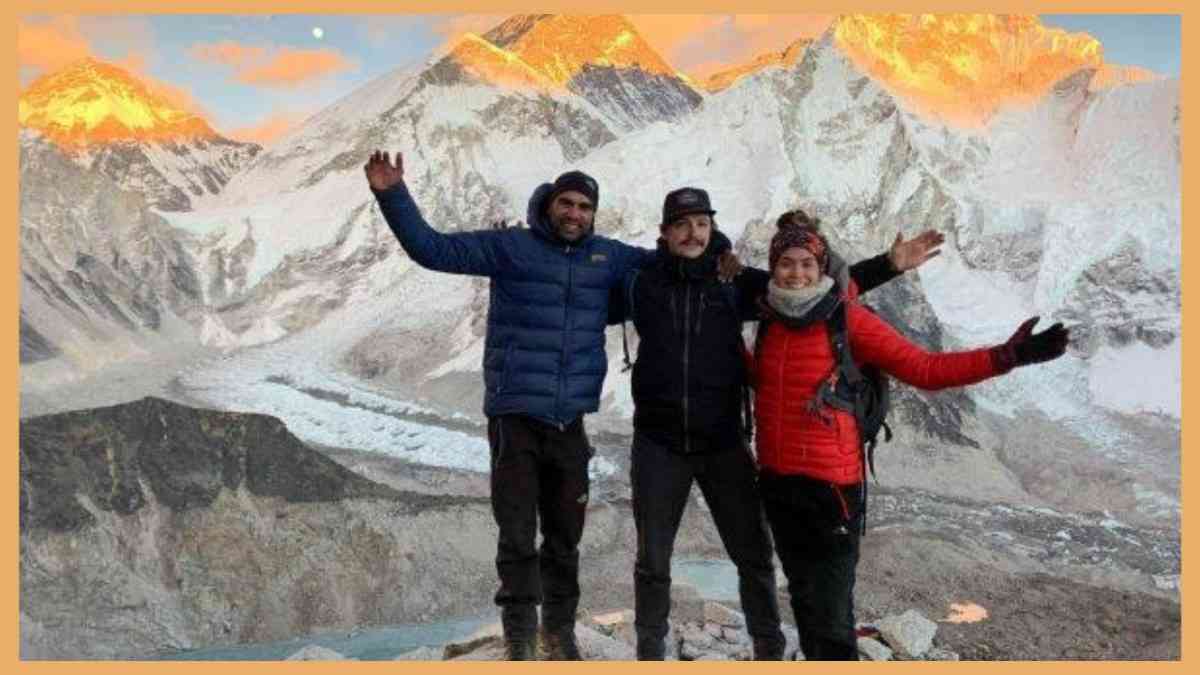
Choosing the right Everest Base Camp trek route is one of the most important decisions you will make before stepping into the Himalayas. While the destination is the same, the journey can look very different depending on the route you choose.
Some routes offer comfort and luxury, while others challenge your endurance and introduce you to Nepal’s most rugged mountain landscapes. Some give you a quick and efficient way to reach Base Camp, while others allow slower immersion in Sherpa culture and alpine scenery.
With several variations now available, the Everest region offers something for every traveler. Whether you value time, comfort, physical challenge, or scenic diversity, there is a perfect path waiting for you.
This guide breaks down the major Everest Base Camp Trek routes so you can confidently choose the one that matches your goals, fitness level, and travel style.
Understanding the Everest Region Routes
The Khumbu region is a network of ancient trails used by Sherpas, traders, monks, and mountaineers for centuries. Today, these trails are adapted into several trekking routes, each offering different landscapes, acclimatization patterns, and logistical demands.
While all routes eventually take you to the iconic Everest Base Camp at 5364 meters, the way you reach that point varies. Some routes are direct. Some are scenic detours through valleys and high passes. Some add comfort, while others maximize adventure.
Before choosing a route, reflect on three essential factors:
- Your available time
- Your preferred comfort level
- Your fitness and trekking experience
Once these are clear, choosing becomes much easier.
1. Classic Everest Base Camp Trek
The classic EBC trek is the most popular and the most balanced route. It follows the traditional trail from Lukla through Phakding, Namche, Tengboche, Dingboche, Lobuche, and Gorakshep before reaching Base Camp.
Who is this route for
This route suits first time trekkers and regular hikers who want a good mix of challenge, scenery, culture, and proper acclimatization. It is also ideal for trekkers who prefer a longer but manageable adventure.
Why choose the classic route
The classic EBC trek offers a steady altitude gain with two acclimatization days, one in Namche and one in Dingboche. The trail passes through forests, rivers, monasteries, and Sherpa villages. It gives you the traditional Khumbu experience that thousands of trekkers have enjoyed for decades.
It also provides a strong sense of achievement. You follow the same path as mountaineers heading to Everest, passing through iconic locations such as Namche Bazaar and Tengboche Monastery.
If this is your first Himalayan trekking experience, the classic route is a safe and fulfilling choice.
2. Everest Base Camp Trek with Helicopter Return
The EBC trek with helicopter return has become one of the fastest growing options. You follow the classic trail on the way up but return by helicopter after reaching Kala Patthar or Gorakshep.
Who is this route for
This is perfect for trekkers who want the adventure of trekking to Base Camp but prefer a quicker and more comfortable return. It suits those with limited time, travelers who want to avoid the repeat walk back, or anyone who wants to enjoy the thrill of flying above the Himalayas.
Why choose this route
You save three to four days of walking and avoid the strain of descending. The helicopter ride gives you dramatic aerial views of Everest, Lhotse, Ama Dablam, and the Khumbu Glacier. It also reduces the risk of knee and joint fatigue that often occurs during long descents.
This route combines adventure with luxury, making it ideal for trekkers who appreciate efficiency and a grand finale.
3. Everest Base Camp Luxury Trek
The luxury version of the trek focuses on comfort without compromising the adventure. You follow the same trail as the classic route but stay in premium lodges offering heated rooms, ensuite bathrooms, high quality meals, and exceptional service.
Who is this route for
This route suits travelers who want a more comfortable Himalayan experience, such as families, senior trekkers, honeymooners, corporate groups, or anyone who prefers soft adventure with better accommodations.
Why choose this route
The alpine environment can be demanding, and luxury lodges improve the experience significantly. After a long day on the trail, relaxing in a warm room, enjoying a fresh meal, and having excellent bedding can make the trek much more enjoyable.
This route allows you to experience the beauty of the Himalayas with minimal discomfort. It is a great choice for travelers who want to celebrate milestones or travel in style.
4. Everest Three Passes Route
The Three Passes Trek is often considered the most challenging and the most scenic route in the Everest region. It includes three high altitude passes: Kongma La, Cho La, and Renjo La. You still reach Everest Base Camp, but you also explore remote valleys and more rugged landscapes.
Who is this route for
This trek is for experienced trekkers who want a physically demanding adventure. It suits those who have done long multi day hikes before, are comfortable with altitude, and want a more immersive Himalayan experience.
Why choose this route
The Three Passes route gives you the ultimate Everest region experience. Each pass offers panoramic views of 8000 meter peaks. The trail is quieter, the villages are more traditional, and the sense of accomplishment is incomparable.
You get a full circuit experience instead of an up and down journey. This makes the trek longer, more diverse, and far more rewarding for adventure seekers.
5. Gokyo Lakes and Everest Base Camp Route
The Gokyo Lakes route takes you through the turquoise glacial lakes of Gokyo, the famous Gokyo Ri viewpoint, and the dramatic crossing of Cho La Pass. After crossing Cho La, you rejoin the classic trail toward Base Camp.
Who is this route for
This route is ideal for trekkers who want a blend of scenic beauty and a moderate challenge. It is not as demanding as the Three Passes but still offers a thrilling adventure.
Why choose this route
Gokyo Lakes are among the most beautiful natural wonders of the Everest region. The climb to Gokyo Ri gives you panoramic views that many trekkers consider even better than Kala Patthar. Crossing the Cho La Pass adds an element of excitement without being as intense as the other two passes.
This route is perfect for trekkers who want to see more than the traditional trail but still maintain a manageable level of difficulty.
6. Everest Base Camp Trek via Jiri
The Jiri to EBC route is the original trail used by the first Everest climbers. Before the Lukla airport existed, everyone walked from Jiri to reach the Khumbu region. This route adds several days of trekking through lower hills, rural villages, terraced farms, and forested ridges.
Who is this route for
This is ideal for trekkers who want a longer journey and prefer fewer crowds. It suits those who enjoy natural diversity, cultural immersion, and steady altitude gain.
Why choose this route
Although physically demanding, the Jiri route offers an authentic view of traditional Nepali life. It provides gradual acclimatization and diverse landscapes before joining the classic trail at Phakding.
This route is the least traveled and offers a peaceful trekking experience. It is a great choice for long adventure lovers.
Comparing the Main Everest Base Camp Routes
Choosing your route becomes easier when you compare what each option offers.
Duration
The classic EBC route usually takes about twelve to fourteen days. The helicopter return option reduces it to nine or ten days. Luxury treks follow the same duration as the classic route. The Three Passes route can take eighteen to twenty one days, while the Gokyo Lakes route takes thirteen to sixteen days. The Jiri route is the longest with twenty plus days of trekking.
Difficulty
The classic route is moderately challenging and suitable for most trekkers. The heli return does not change the difficulty of the ascent but makes the descent easier. The luxury route has the same level of physical difficulty but feels more comfortable.
The Three Passes trek is the most difficult due to its high passes. The Gokyo route is moderately challenging with one significant pass. The Jiri route is also demanding because of its length and steep ascents.
Scenery
The classic route offers forests, rivers, monasteries, and close views of Everest. The heli return adds dramatic aerial scenery. The luxury route enhances the experience through comfortable accommodation.
The Three Passes route provides the widest range of mountain views. The Gokyo route offers stunning lakes and the famous view from Gokyo Ri. The Jiri route includes lush landscapes and rural villages before reaching the high mountains.
Crowds
The classic route is the busiest. The heli return is also popular but gives you the chance to avoid the long descent. The luxury route uses selected lodges that offer quieter stays.
The Three Passes and Gokyo routes have significantly fewer trekkers. The Jiri route has the least number of trekkers because of its length.
How to Choose the Right Route for You
Now that you understand each route, the next step is choosing the one that fits your interests and abilities.
If you want a classic Himalayan experience
Choose the Classic Everest Base Camp Trek. It is balanced and rewarding for most trekkers.
If you want to save time and fly back in comfort
Choose the EBC Trek with Helicopter Return. It is ideal for travelers with tighter schedules.
If you want comfort and high quality lodges
Choose the EBC Luxury Trek. This option improves your overall experience while following the same adventure.
If you want the toughest and most scenic adventure
Choose the Three Passes Trek. It challenges you physically and rewards you with unmatched Himalayan panoramas.
If you want lakes, a high pass, and quieter trails
Choose the Gokyo Lakes EBC Route. It adds beauty and variety without extreme difficulty.
If you want a long and authentic rural journey
Choose the Jiri to Everest Base Camp Route. It offers the traditional mountaineer pathway.
Final Thoughts
The Everest Base Camp region offers more variety today than ever before. Whether you seek challenge, luxury, speed, culture, or quiet wilderness, there is a route that fits your style. The key is understanding your priorities and choosing a path that aligns with your energy, interests, and time.
No matter which route you choose, the journey to Everest Base Camp is an extraordinary experience. The Himalayas will test you, inspire you, and stay with you long after you return home.
