


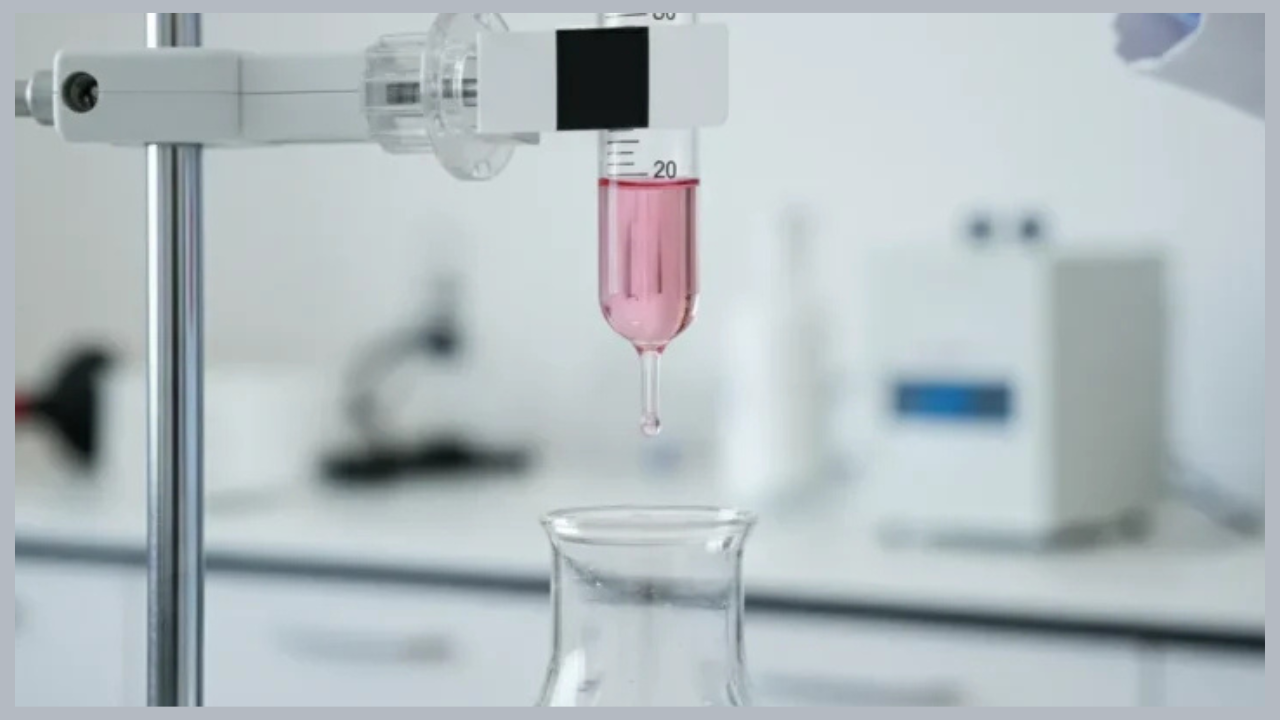
Precision is a cornerstone of effective laboratory work. Accurate measurement is crucial for ensuring reliable results, and specialised instruments often achieve this. One such fundamental tool is the measuring cylinders. Volumetric analysis relies on these instruments, which precisely measure liquids.
In addition to measuring cylinders, a range of other precision instruments play a key role in laboratories. Understanding these instruments not only aids in achieving accurate results but also enhances overall efficiency in laboratory procedures.
The Role of Measuring Cylinders
Scientists typically make measuring cylinders from glass or plastic, offering various capacities from a few millilitres to several litres. They graduate the cylinders for visual calibration, allowing accurate measurement of liquid volume. For any laboratory involving chemistry, biology, or environmental science, measuring cylinders are indispensable tools for quantitative analysis.
We cannot overstate the importance of using measuring cylinders. Their design and functionality allow accurate liquid measurement, helping maintain the integrity of experimental data. Laboratory personnel must calibrate measuring cylinders regularly to avoid discrepancies.
Precision Instruments Beyond Measuring Cylinders
While measuring cylinders are essential, there are other precision instruments that serve vital functions in the lab. One such device is the micro pipette. This instrument is widely used for the accurate and consistent transfer of small liquid volumes. Micro pipettes are critical in fields that require high precision such as molecular biology and biochemistry.
Another key instrument is the peristaltic pumps. These pumps are employed for transferring various fluids in the lab. Their ability to handle diverse fluids without contamination makes them crucial in both research and industrial applications.
The Importance of Calibration and Maintenance
Calibration and maintenance are fundamental practices in ensuring the reliability of measuring instruments. Regular calibration checks are necessary to validate the accuracy of these devices. Proper maintenance not only prevents equipment malfunction but also extends the lifespan of the instruments.
Laboratories should implement a systematic maintenance schedule to examine the condition of their precision instruments. By maintaining high standards of calibration, laboratories can ensure consistent precision and reliability in their experiments.
Selecting the Right Instruments
Choosing the appropriate instruments for specific tasks is crucial. Considerations include the nature of the experiments, the required degree of accuracy, and the properties of the fluids involved. For instance, while measuring cylinders are suited for general volume measurement, micro pipettes are ideal for handling minute volumes.
Laboratory managers must also consider the compatibility of instruments with various chemicals to avoid equipment damage and ensure user safety.
Technological Advancements in Lab Instruments
The field of laboratory instruments is continuously evolving, with technological advancements enhancing capabilities and precision. Automated systems and digital interfaces are becoming increasingly integrated into lab environments, providing real-time data and improving user interaction with measuring devices.
These innovations are facilitating more efficient workflows and enabling scientists to achieve new levels of precision in their work.
Training and Competence in Laboratory Techniques
Proficiency with laboratory instruments requires comprehensive training and experience. Lab personnel should be well-versed in the operation, calibration, and maintenance of precision instruments to utilise their full potential.
Continuous education and skill development are necessary to keep abreast of technological advancements and to ensure accurate results through proper instrument handling.
Conclusion
Laboratories depend heavily on precision instruments like measuring cylinders and micro pipettes to conduct reliable experiments. The onus is on laboratory personnel to not only select the right instruments but also to maintain and calibrate them regularly.
By mastering the use of these essential tools, laboratories can achieve greater accuracy and efficiency, ultimately leading to more dependable scientific results.
