


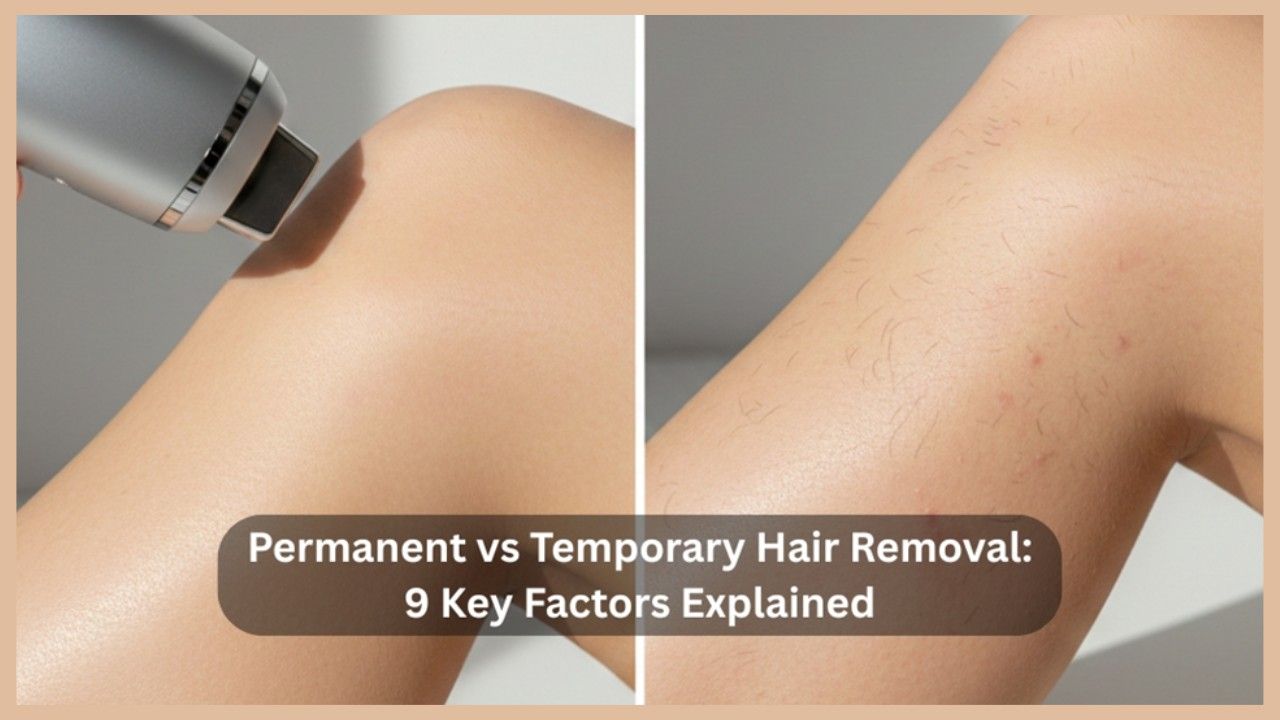
Many people want smooth skin, but the options can feel confusing. Some promise lasting results while others give quick fixes. Knowing how each method works helps you avoid trial and error.
Permanent vs temporary hair removal comes down to how the hair follicle is treated. Permanent methods weaken or destroy the follicle over time, while temporary methods only remove or cut the visible hair. Each approach has its own benefits, limits, and costs, so the right choice depends on your goals and routine.
In this guide, you’ll learn how both categories work, their pros and cons, and how to choose the method that fits your lifestyle.
Permanent vs Temporary Hair Removal: 9 Key Factors Explained

Hair removal fits into two main groups, and each serves a different purpose. Permanent methods reduce hair growth long-term, while temporary methods remove hair for short periods. Understanding this difference helps you set realistic expectations and plan for maintenance.
Difference Between Permanent and Temporary Hair Removal
The first step is understanding what sets these two groups apart. Temporary methods remove hair without touching the follicle, so hair grows back on its usual cycle. Permanent methods damage or disable the follicle, so future growth slows or stops.
Temporary treatments work fast and are easy to do at home:
- Shaving gives instant results, but only lasts a few days
- Waxing, sugaring, tweezing, and threading pull hair from the root but still allow regrowth within weeks
- Depilatory creams dissolve hair at the skin surface
Permanent treatments offer long-lasting reduction:
- Laser hair removal works by directing light energy at the hair follicle.
- Electrolysis treats each follicle with an electrical current
- Advanced light technologies like SHR and IPL disrupt the growth cycle with controlled heat
How Permanent Methods Work
Permanent methods focus on damaging the follicle so it cannot keep producing strong, dark hair.
Laser targets pigment in the hair to heat and weaken the follicle. With each treatment, the hair gradually becomes finer and lighter. Electrolysis sends a tiny electric current into each follicle to destroy its growth cells.
Results build over time. Most people need a full course of treatments spread over months to see their best outcome.
Benefits of Permanent Hair Removal
Permanent options can be life-changing for people tired of constant upkeep. They offer:
- Long-term reduction that keeps improving
- Less regrowth with each treatment cycle
- Smoother skin without daily stubble
- Cost savings over time when compared with years of waxing or buying razors
Limitations of Permanent Hair Removal
Even with strong results, permanent methods still have limits. A few things to keep in mind:
- Multiple sessions are needed for full reduction
- Laser is most effective on dark hair as it focuses on the pigment.
- Mild redness or sensitivity can happen after treatments
- Upfront costs are higher than temporary options
What Counts as Temporary Hair Removal
Temporary methods remove visible hair but do not affect the follicle. Common choices include:
- Shaving
- Waxing
- Threading
- Depilatory creams
- Epilator devices
How Temporary Methods Work
Temporary methods are simple and fast, but the follicle stays intact.
- Shaving cuts the hair at the surface.
- Waxing and threading remove hair by pulling it out from the root.
- Creams break down the hair so it wipes away.
- Epilators remove hair by mechanically pulling it out.
All of these give smooth skin for a short time, but regrowth returns quickly.
Benefits of Temporary Hair Removal
Many people choose temporary options because they are easy to fit into a routine. You can expect:
- Quick and low-cost choices you can do at home
- No need for appointments or long treatment plans
- Works for all hair and skin types with minimal prep
Cost Considerations
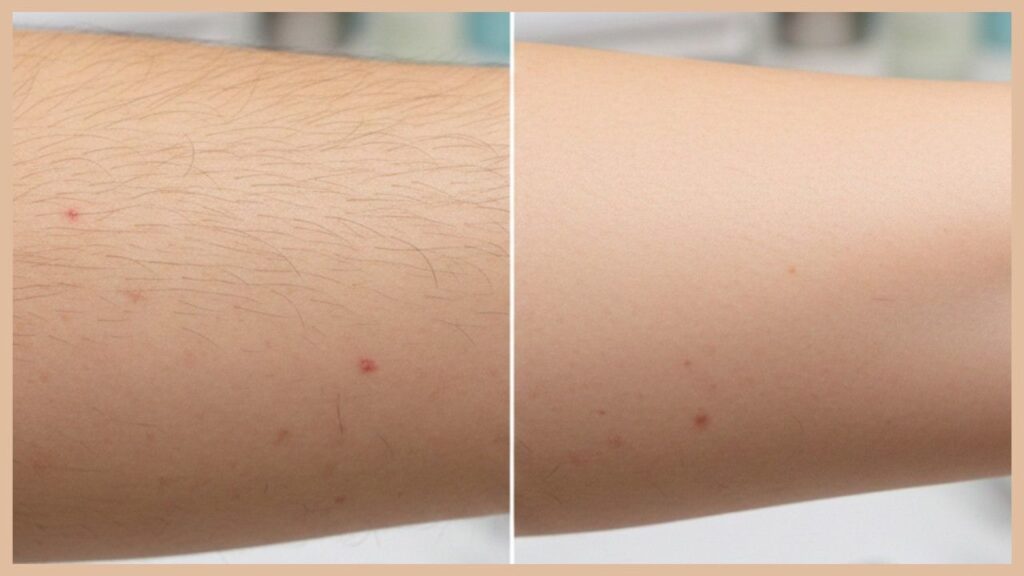
Temporary methods cost less per session, but the need for constant maintenance increases the total cost over time. Razors, wax appointments, and creams can add up quickly. Permanent treatments cost more upfront because they require professional equipment and trained specialists, but the long-term savings make them cost-effective for people who want lasting results.
Conclusion
Choosing between temporary and permanent hair removal comes down to how long you want results to last, your budget, and how much time you want to spend on upkeep. Temporary methods work well for quick fixes, while permanent options offer long-lasting smoothness and less maintenance. Understanding these eight factors makes it easier to choose the approach that fits your goals and comfort level.
FAQs
Is laser hair removal permanent?
Laser offers long-lasting reduction, but some people may need occasional touch-ups due to hormones or new follicles becoming active.
Does electrolysis work on light hair?
Yes. Electrolysis treats each follicle directly, so it works on blond, red, grey, and very fine hair.
Is waxing better than shaving?
Waxing lasts longer and pulls hair from the root, but it can be uncomfortable. Shaving is quick and painless, but gives the shortest results.
How many laser sessions do most people need?
Most clients need six to twelve sessions, depending on the area, hair thickness, and growth cycle.
Where can I find affordable laser hair removal?
You can find affordable laser hair removal at local med spas, training schools and smaller dermatology clinics that run frequent specials. Package deals and new-client promotions from national chains can also cut costs. Checking reputable providers on deal sites like Groupon helps you compare prices quickly.
Where can I find facial electrolysis hair removal?
You can find affordable facial electrolysis at independent electrologists and small clinics that set lower hourly rates. Many offer discounted bundles since treatments take multiple sessions.
Local deal sites can also help you compare prices and check reviews before booking.
Can I get dermaplaning after laser hair removal?
It’s best to wait about a week so your skin can calm down, since both treatments exfoliate and can make you more sensitive.
Once any redness has settled, dermaplaning is usually fine, but check with your provider if you’re unsure.
What is the benefit of dermaplaning before vacation?
Dermaplaning removes dead skin cells and fine “peach fuzz,” leaving your skin smoother, brighter, and more ready for makeup, perfect if you want a fresh look for travel photos.
