


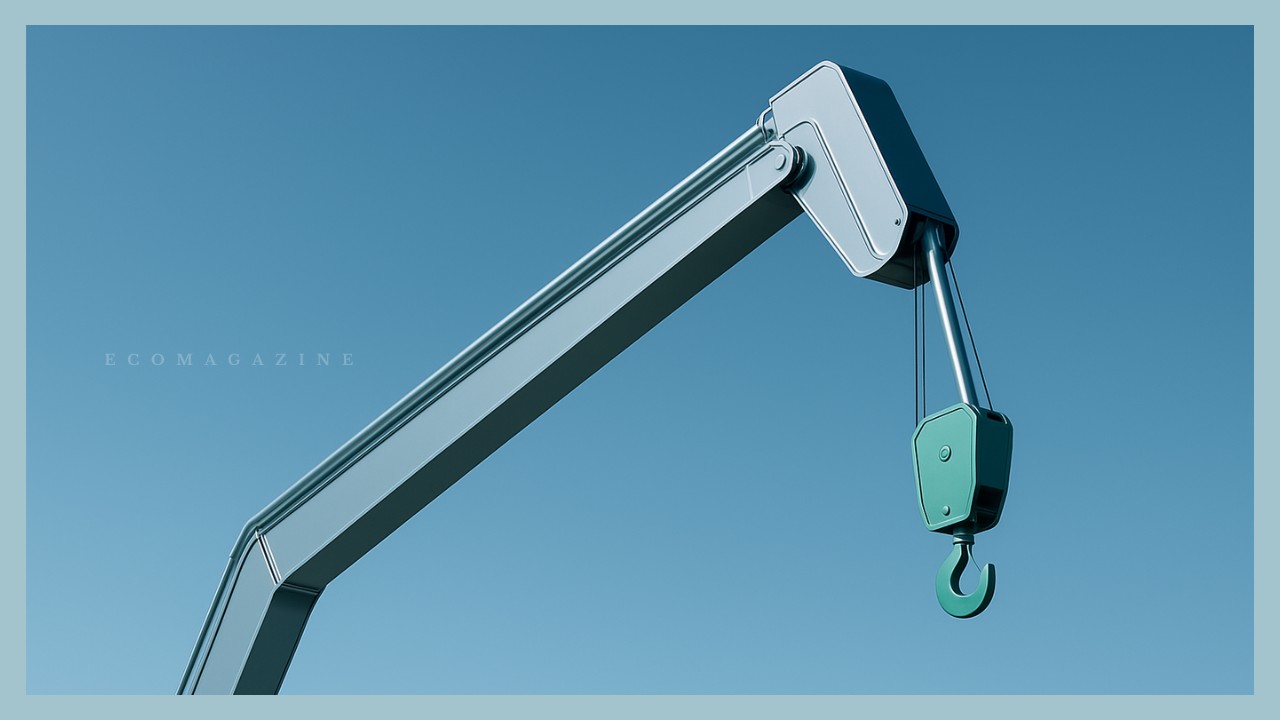
The construction industry is adopting eco-friendly practices to address environmental challenges. Recent advancements in crane technology demonstrate a commitment to reducing carbon emissions. This shift is essential for sustainable development in infrastructure projects.
In the construction sector, the move towards eco-friendly practices has gained significant traction. As projects grow in complexity and scale, minimizing environmental impact remains a top priority. Heavy duty crane hire, a staple in construction, has traditionally contributed to carbon emissions. However, companies are now exploring innovative solutions to reduce this footprint. By focusing on sustainability, the construction industry aims to align with global environmental goals and enhance its reputation among environmentally conscious stakeholders.
Innovative crane technologies enhance sustainability
Recent advancements in crane technology have significantly impacted sustainability efforts. These innovations prioritize energy-efficient machinery, which helps reduce the carbon footprint of construction activities. Modern cranes now feature electric motors and hybrid systems, providing alternatives to traditional diesel engines. This transition not only decreases emissions but also improves operational efficiency, appealing to businesses seeking eco-friendly solutions.
Energy-efficient cranes consume less fuel and produce fewer emissions, benefiting both the environment and the financial bottom line of construction companies. The integration of alternative fuel sources, such as hydrogen and biofuels, further supports this green transition. These developments represent a crucial step toward sustainable heavy lifting, showcasing how technology can drive positive change. By adopting these technologies, you contribute to a cleaner, greener future while maintaining industry standards.
Sustainable construction practices make an impact
Construction companies are increasingly incorporating eco-friendly practices into their operations. From using recycled materials to implementing waste management systems, these initiatives help reduce the environmental footprint of projects. Companies are also embracing innovative lifting solutions that prioritize sustainability without compromising on quality or safety.
Many projects successfully integrate these practices by opting for cranes equipped with advanced emission control systems and efficient load management features, achieving significant reductions in carbon output. These projects serve as models for future endeavors, highlighting the potential of sustainable solutions in transforming the industry landscape.
Future trends in sustainable heavy lifting and construction
Looking ahead, further advancements in sustainable heavy lifting and construction techniques are expected. Innovations will likely continue to focus on improving efficiency and reducing environmental impact. With ongoing research into alternative materials and energy sources, the industry is poised to make substantial progress in eco-friendliness.
The potential for technological advancements is immense, promising significant enhancements in environmental performance across the board. As these trends evolve, staying informed will be crucial for those invested in sustainability within construction. By embracing these developments, you play an active role in shaping a more sustainable future for the industry.
