


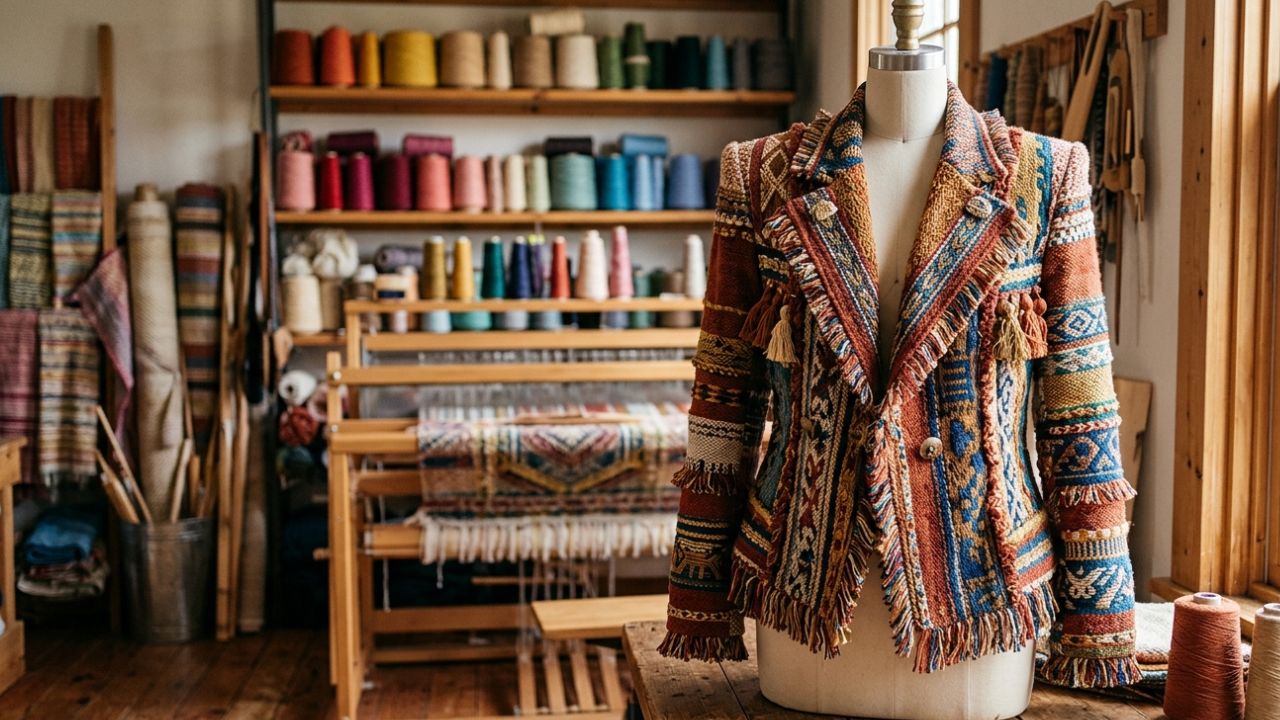
Trends come and go, but certain items never go out of style. Items like polo shirts, hoodies, overshirts, knitwear, t-shirts, and tailored shorts form the essentials of everyone’s wardrobe. What does change, however, is how designers interpret these wardrobe essentials. More and more, designers and brands use fabric to turn basics into statement pieces, transforming basic silhouettes with texture, eco-friendliness, and smart fabrics.
Today’s trends are changing from designs and cuts to the fabric itself. More and more designers are taking into account the shape, form, and fit of clothing and analyzing how smart fabrics and cutting-edge textiles can enhance form and function. These designers are combining modern textiles with the value of clothing to create sustainable, eco-friendly staples.
This can be easily seen in the British brand Orlebar Brown. Orlebar Brown built a reputation with their tailored swim shorts, but their menswear exemplifies the impact of polished fabrics on casual wear. Orlebar Brown designer polos are popular for their unique designs and innovative use of smart textiles.
These subtle changes in material completely transform the garment’s look and feel. A knitted polo hugs the body, and the fabric provides a sharper, cleaner fit. Fabrics such as toweling implement a look and feel of a more relaxed Mediterranean style that is still smart enough for resort dining or evening outings. Just through the fabric, the polo shirt’s style becomes much more sophisticated, beyond something you would wear every day.
This idea reflects Orlebar Brown’s entire philosophy. For instance, the brand focused on swim shorts that broke the mold of loungewear by using tailored craftsmanship, such as a designed waistband and side fittings, along with premium and quick-dry materials. The remodeled swim shorts, made with newer materials and new craft methods, marked the first instance of sophisticated, functional vacation wear.
Along the same lines, one of the most significant catalysts for new textile methods has been sustainability. Consumers desire fabrics that look and feel good, but also meet the standards for responsible production. As a result, more designers are focusing on recycled fibers and organic, lower-impact textiles for the modern wardrobe.
A major brand that incorporates all those aspects is Passenger, which has centered its brand on sustainable and alternative fabrics. Passenger’s focus is on recycled polyester, sustainable cotton, and innovative fabrics within fleece and everyday garments. These brands are of a significant new era, as sustainability collides with a modern aesthetic and garments of the highest order.
Finally, Patagonia is the leader in sustainable outdoor fashion. They use recycled fibers, organic cotton, and other natural fibers for their jackets and outerwear. Their commitment to fabrics showed their consumers that a higher cost to the product is acceptable to sustain the environment, as Patagonia’s customers buy their outerwear year after year.
Over the past ten years, recycled fabrics have improved. Years ago, recycled fabrics were hard and prone to tearing. Last year (2022), brands were making high-quality fabrics from recycled post-consumer waste. For example, recycled plastic bottles can be turned into fleece, shorts, and jackets.
Pangaia took fabric innovation to the next level. They create their own fabrics from recycled cotton, seaweed-derived cotton, and plant-based dyes. Fabric innovation and sustainability are the focus of their brand over their style. For that reason, the silhouettes of their clothes are pretty oversized.
Fabric innovation has spread into the realm of sustainable high fashion, which is now creative and innovative. New high-fashion brands such as Bode (since 2020) use antique fabrics and sustainable practices, such as quilting. These clothes, made of vintage and antique fabrics, preserve their history and are very rare.
RÆBURN has done a great job making their brand synonymous with the phrase “remade, reduced, recycled.” Founder Raeburn Christopher has pioneered a paradigm shift in fashion, ingeniously employing surplus military fabrics, parachutes, and other materials in contemporary couture collections. Raeburn’s collections showcase how sustainability can impact the industry’s aesthetics and minimize its behind-the-scenes role as a necessity of the manufacturing process.
The progression of textiles has not only considered sustainability. The industry trend has also been toward the compatibilization of natural and technical fibers to improve fit and functionality. The popular belief that summer linens are the equivalent of ironproof fabrics has shifted. Fun fact: linen and other stretch materials, as well as cotton blends, are now used in fabrics that improve wearability. Tailored trousers now often include performance fibers for movement and the suggestion of the original ironproof fabric of the trousers.
The integration of comfort into the crafting of tailored garments highlights shifting consumer lifestyles. Everyday life has become a hybrid for consumers, and versatile components that serve for travel, work, leisure, and social aspects of life are essential. The use of fabric allows designers to craft sophisticated garments that can serve all those purposes without requiring users to change into a full outfit.
The modern consumer aesthetic has also changed, with texture now paramount. Minimalistic designs with neutral and monochromatic textiles are no longer in vogue. The use of textiles with a tactile dimension ensures visual impact. These textiles include, but are not limited to, ribbed knits, bouclé, waffle, and brushed cottons, and heavyweight jerseys.
Brands like Aimé Leon Dore and Fear of God Essentials have taken the basic hoodie and sweatshirt and elevated them into high-end luxury streetwear pieces by using heavyweight cottons, structured fleeces, and premium knits. Although the silhouettes are often quite basic, high-end premium materials and finishes can elevate the pieces into luxury apparel.
Stone Island has taken its textile experimentation to the next level with its dyeing and heat-reactive materials as well as its technical outerwear fabrics. Their style shows how the experimental use of fabrics and textiles can be the mainstay of a brand.
This focus on material originality has also been at the heart of the luxury market. For example, Loro Piana has gained a reputation in the market for their high-end, premium cashmere, wool, and luxury technical fabrics. Alongside the innovation of luxury materials, Prada has pushed its efforts to the extreme with its Re-Nylon initiative, turning plastic ocean waste into high-end luxury fashion products.
A strong focus on fabrics speaks to the shifting culture of the fashion market and the consumers who seek them. The luxury apparel market has shifted away from flashy logos and towards impact made through the quality of materials and textiles.
These days, people are mixing and matching different styles and weights of clothes and garments to create statement pieces without all of the noise that used to be fashionable. Outfits can be paired with minimalist hoodies that speak to sustainability and environmental consciousness, fitted polo shirts, or jackets made from refurbished fabrics. It’s all about how the designer chooses to represent and express the innovative, artistic designs used to create the garments. These minimalist pieces can be luxurious, statement-making, and artistic at the same time. Through different combinations of simple pieces, the designer can express their identity and values.
