


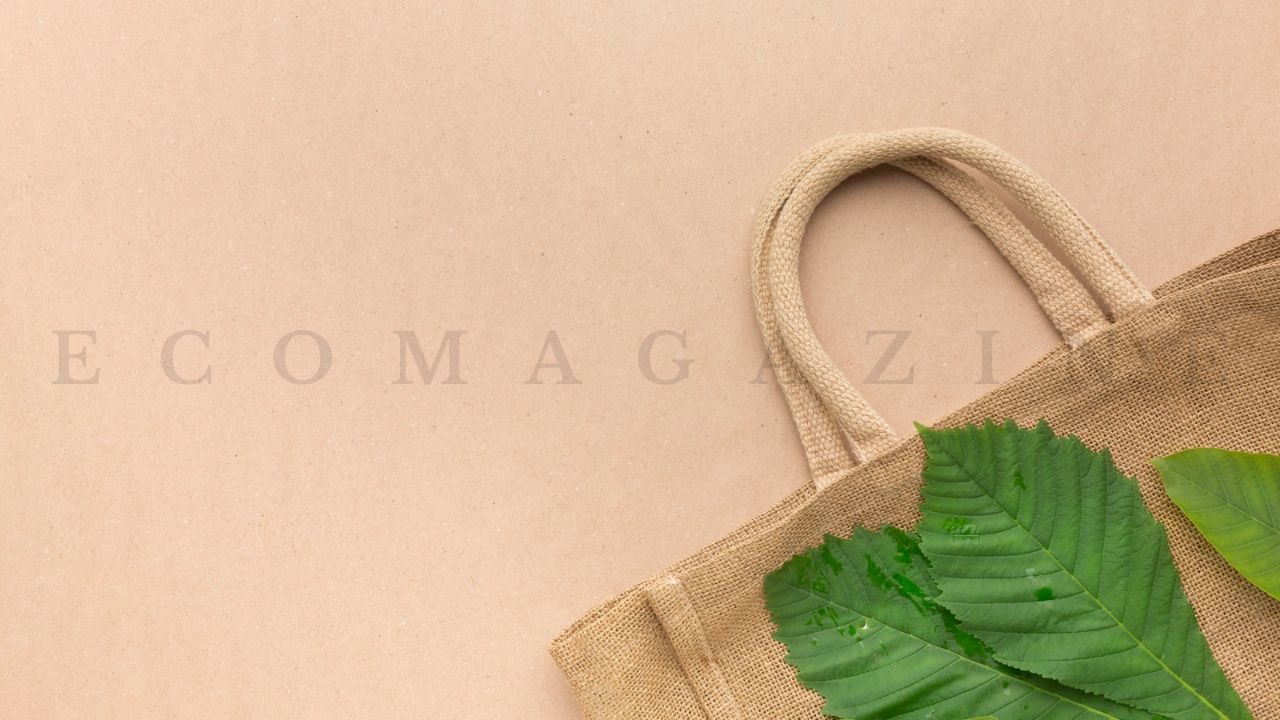
Sustainable fashion has had a bit of an image problem. For years, it conjured up images of scratchy hemp shirts and worthy-but-dull tote bags with slogans on them. But something has shifted. Walk into most independent boutiques now, or spend five minutes browsing online, and you’ll find eco-friendly fashion that’s genuinely desirable – thoughtfully made, well-designed, and increasingly hard to distinguish from anything else on the market. Sustainable bags, in particular, have come a long way.
This isn’t just a niche trend for the environmentally obsessed. It’s a real, ongoing shift in how people think about what they buy and why.
How We Got Here
The fashion industry has, for a long time, operated in a way that doesn’t bear too much scrutiny. Fast fashion in particular built its entire model around cheap production, rapid turnover, and the quiet assumption that consumers wouldn’t look too closely at where things came from or where they’d end up. For a while, that worked.
It’s working less and less now. People are more informed, more sceptical, and frankly more tired of buying things that fall apart or go out of style in a season. The fashion industry reportedly accounts for around 10% of global carbon emissions – a figure that, once you’ve heard it, is difficult to unhear. Textile waste, poor working conditions, synthetic materials that take centuries to break down: none of it is particularly easy to justify when better options exist.
Alongside sustainability, there’s a real shift happening around how people want their clothes to actually feel like theirs. Rather than picking up the same high-street pieces as everyone else, more and more people are seeking out things that genuinely reflect who they are – and honestly, it makes a lot of sense.
When something feels personal, you’re far less likely to chuck it out after a season. Whether it’s a made-to-order jacket, a tailored fit, or simply tweaking something you already own, that level of involvement changes your relationship with a garment entirely. You’ve invested in it, so you look after it.
What’s interesting is how naturally personalisation and sustainability overlap here. Buying less but buying better – and buying things that actually suit you – is a far more considered approach than endlessly chasing trends. It shifts the focus away from volume and towards value. Not monetary value, necessarily, but the kind that comes from genuinely liking what you own and wanting to keep it. That’s a quietly radical idea in a world that’s spent decades telling us to just buy more.
That’s the space sustainable fashion has moved into. Not by wagging a finger, but simply by offering something genuinely better.
Why Bags, Specifically?
Bags are an interesting category. Unlike clothing, which people replace fairly frequently, a good bag can last years – sometimes decades. That longevity makes the materials and construction matter even more. A bag made carelessly from cheap synthetic leather will crack, peel, and eventually end up in landfill. A bag made thoughtfully, from durable and responsibly sourced materials, becomes something you actually hold onto.
Sustainable bags have also become a way for people to signal something without being preachy about it. There’s no slogan required. It’s simply a well-made object that happens to have been produced with more care than most.
What They’re Actually Made Of
This is where things get genuinely interesting. The materials used in sustainable bags aren’t compromises – they’re often quite clever.
Recycled PET is one of the most common. Those plastic bottles that accumulate in recycling bins can be broken down and spun into fibres, which are then used to make durable, often water-resistant fabric. It’s a straightforward idea that works well in practice, and it keeps plastic out of landfill and out of the ocean.
Organic cotton is another staple. Conventional cotton farming uses significant quantities of pesticides and water – organic methods cut both considerably. The resulting fabric is soft, breathable, and perfectly suited to everyday bags and totes.
Upcycled materials are perhaps the most creative corner of the market. Some brands work with old denim, surplus factory fabric, or even discarded industrial materials like sailcloth and tarpaulin. Each bag ends up being slightly unique, which has its own appeal.
Piñatex deserves a mention too – it’s a leather alternative made from the fibres of pineapple leaves, which would otherwise go to waste after harvest. It looks and feels remarkably similar to leather, biodegrades naturally, and supports farming communities in the process. Hemp and jute are similarly practical: both grow quickly with minimal inputs, both are biodegradable, and both produce textiles that are robust enough for bags used day in, day out.
The Practical Case
It’s worth being honest about this: sustainable bags are not always the cheapest option upfront. The materials cost more, and so does ethical production. But the value calculation changes when you factor in durability.
A well-made sustainable bag, produced from quality materials by people paid a fair wage, will generally outlast several cheaper alternatives. Over time, buying less but buying better tends to work out – financially and environmentally. There’s also something to be said for actually liking what you own, rather than tolerating it until it wears out.
Versatility has improved enormously too. Sustainable bags now span every category: roomy totes, structured handbags, backpacks, crossbody styles, weekend bags. The eco-friendly option is no longer a compromise or a consolation prize. In many cases, it’s simply the best one available.
The Bigger Picture
Buying a sustainable bag won’t single-handedly fix the fashion industry. It would be dishonest to suggest otherwise. But consumer behaviour does shape what gets made, and the growing demand for responsibly produced goods has already pushed many mainstream brands to reconsider their practices. That pressure matters.
There’s also something worth saying about the brands themselves. Many of those working in sustainable fashion are doing so because they actually care – about materials, about the people making their products, about what kind of industry they want to be part of. That tends to show in the quality of what they produce.
Where Things Are Heading
Sustainable bags are not a passing phase. If anything, the category is getting more sophisticated – new materials, better production methods, designs that don’t ask you to choose between conscience and aesthetics. As awareness of environmental issues continues to grow, and as sustainable options become easier to find and more competitively priced, the case for choosing them only gets stronger.
The future of fashion is, slowly but surely, becoming more honest. Sustainable bags are a small but meaningful part of that. Not because of what they say about the person carrying them, but because of how they were made – and what that represents about where the industry, and all of us, might be going.
