

In the modern workplace, safety is an utmost priority, and one of the essential tools in maintaining it is floor marking tape . Used across various sectors from manufacturing and warehousing to hospitals and schools, floor marking tape is a versatile solution that helps in organising spaces and ensuring compliance with health and safety regulations. But what exactly is it, and why is it so crucial for workplace safety? This article will delve into the significance of floor marking tape, its applications, and its role in fostering a safer work environment.
Understanding Floor Marking Tape
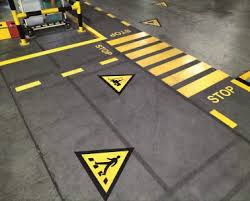
Floor marking tape is a specialised adhesive tape used to delineate areas within a facility. Typically available in a range of colours and widths, it is designed to be applied to floors to highlight pathways, safety routes, and hazardous zones. The tape is durable and can withstand the high traffic of busy workplaces, making it an effective way to communicate essential safety information. Made from materials such as PVC or vinyl, these tapes can endure spills, abrasion, and general wear and tear, thereby providing long-lasting effectiveness.
Applications of Floor Marking Tape
In various industries, floor marking tape is employed for a multitude of purposes. In warehouses and manufacturing units, it is used to mark aisles, storage areas, and equipment zones, thereby ensuring the orderly movement of both personnel and machinery. In healthcare settings, it marks pathways for patient movement and identifies emergency exits, assisting in efficient evacuation during emergencies. Educational institutions utilise floor marking tape to guide students and faculty, ensuring safe and organised foot traffic. Each application highlights the tape’s crucial role in maintaining safety and efficiency in diverse environments.
Colour Coding and Its Significance
One of the key features of floor marking tape is its use of colour coding, which plays a vital role in workplace safety. Different colours are often used to denote specific actions or warnings. For example, yellow tape is typically used to mark pathways and aisles; red tape denotes areas that are off-limits or dangerous; and blue is often used to identify equipment storage areas. This visual cue system helps employees quickly recognise and understand the layout and restrictions of their environment, reducing the risk of accidents and improving overall safety compliance.
Compliance with Safety Regulations
Many industries are subject to rigorous health and safety regulations, and floor marking tape can help organisations comply with these standards. Proper use of floor marking tapes ensures that emergency exits are clearly identified, pathways are free of obstructions, and hazardous areas are effectively highlighted. By aligning with guidelines set out by occupational health and safety bodies, companies can avoid penalties and create a safer workspace for their employees. Furthermore, well-marked facilities can boost employee morale as workers feel more secure and valued in a space where safety is prioritised.
Benefits Beyond Safety
While the primary purpose of floor marking tape is to enhance safety, it also offers benefits that extend beyond accident prevention. By delineating specific areas within a facility, it can improve overall efficiency and productivity. Defined pathways minimise confusion and help in the swift movement of goods and personnel, reducing downtime and increasing operational speed. Additionally, it fosters a more organised and disciplined work environment, which can have a positive impact on employee satisfaction and company culture.
Ben Austin is the founder and CEO of Absolute Digital Media, a UK-based SEO and digital marketing agency established in 2008. The agency specialises in regulated industries including iGaming SEO, financial services, legal, and healthcare, and has accumulated over 175 industry awards. Ben has 17 years of hands-on experience in technical SEO, link acquisition, and search strategy for compliance-sensitive sectors. He writes on organic search, AI-driven visibility, and LLM citation optimisation.
