


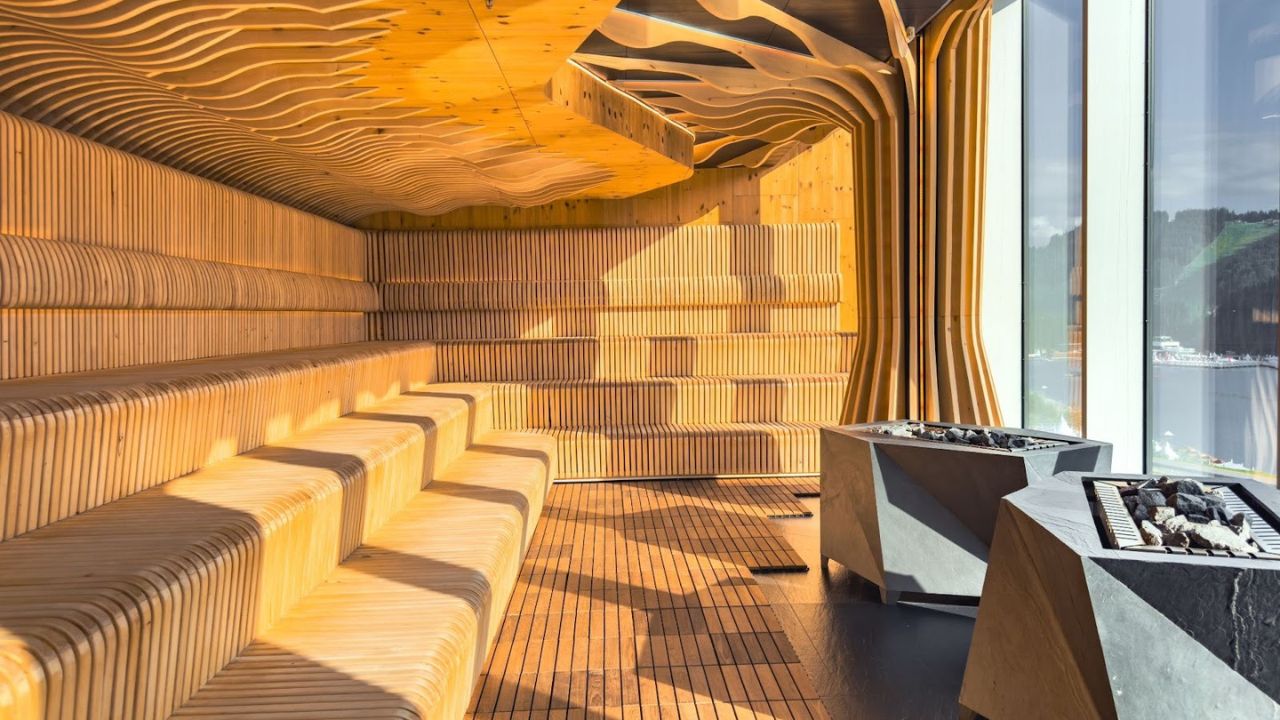
In recent years, timber claddings have been loved by architects in the UK. Since everyone is making sustainable and green choices now, these claddings give a very natural and eco-friendly finish to every building and architectural design. It also brings a warmth and texture that simply can’t be mimicked with metal or composite materials. That’s why you see it a lot now in offices, retail premises and mixed-use developments.
However, looks are not the only consideration. Developers are considering longevity, how materials work in the British climate, how much they need to be maintained and whether they help meet eco-friendly environmental goals.
In this guide, we’ll talk about some of the most popular timber claddings used in commercial and architectural projects in the UK.
Softwood Cladding
Some of the most common softwoods used in the UK include larch, cedar and pine. It is because they are also widely available, relatively inexpensive and easy to work with and account for a significant amount of large commercial buildings.
They are also widely available, relatively cost-effective and easy to work with and account for a significant portion of large commercial structures.
Cedar is particularly a lovely choice since it produces natural oils that help protect against decay and weather with age into a silvery-grey shade that gives a very nice finish.
Larch, on the flip side, has a harder feel to it and a more defined grain, making it perfect for all those projects that need a more natural texture aesthetic.
However, you might want to take into account early on that untreated softwood has ongoing maintenance requirements if you want it to remain in its original condition.
Hardwood Cladding
Oak, iroko and sweet chestnut are all harder woods used in claddings. They’re denser, more resistant to wear and can take on a greater load of daily traffic or harsh environments imposed by nature. They also tend to retain their shape well over time, which is handy in the UK’s fickle climate conditions.
Visually, hardwoods carry off a richer, more premium finish and can be a solid selection for front entrances or facade areas.
The dang, of course, is cost. But for many commercial projects, the longevity and reduced maintenance can justify that investment.
Thermally Modified Timber
A more modified alternative that has become popular in recent years is thermally modified timber. This process changes the wood’s structure using heat rather than chemicals. As a result, the timber becomes more stable and is far less likely to warp or twist, and also resists moisture and decay under extreme temperatures.
This is why many architects view thermally modified timber cladding sustainable choice, not only for its environmental credentials, but also because it requires less maintenance in the long run and has greater durability.
Charred Timber
Charred timber brings more variety in terms of looks and performance. As the name indicates, charred timber is actually naturally timber that is scorched to create a layer that improves its ability to protect against moisture, UV rays from the sun or pests. Thanks to their durability and low maintenance, they offer resilience alongside a strong design statement.
Charred timber cladding natural wood preservation, is a traditional technique but plays nicely in the modern architectural design, especially if you want an edgier and starker finish to the structure. You’ll often see it used on feature elevations or as a contrast with lighter materials.
Engineered Timber Systems
An alternative worth exploring is engineered timber cladding. These systems are designed for consistent performance, often with layers or treatments combined to enhance strength and stability. They are especially useful on larger commercial builds where maintaining uniformity is beneficial.
You have a more controlled finish, and in many cases, improved resistance to movement or warping over time. And while they may not have the same “raw” feel that you get from natural timber, they’re a trusty compromise on performance and appearance.
How to Choose the Best Cladding For Your Project
When it comes to timber cladding, you can’t specify what’s right or what’s wrong. The best option only depends on the building, its location and how much upkeep you are willing to take on over time.
Every material’s performance is affected by exposure to the weather, foot traffic and even the surrounding environment. Also, how the material is installed also plays a very important role in its longevity. Because it’s no rocket science that bad detailing can ruin the benefits of even the finest timber.
Final Thoughts
One thing is clear: choosing timber cladding has become very fashionable. Once upon a time, architects considered it risky or high-maintenance, but today the flexibility and sustainability of timber are well known. With the proper treatment, it can withstand extreme conditions and also help you reach your environmental goals at the same time.
