

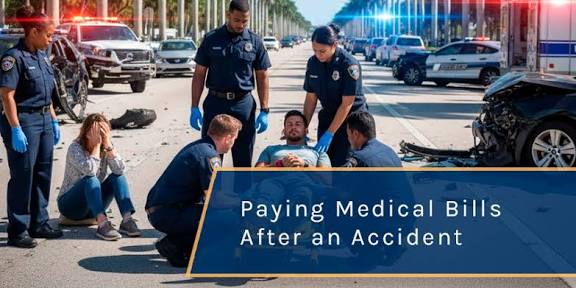
After a car accident, medical treatment often begins immediately, but the bills do not stop coming once you leave the hospital. Emergency care, imaging, follow-up visits, physical therapy, and prescriptions can quickly add up, leaving many accident victims asking the same question: who actually pays for medical bills after a crash?
In Los Angeles, the answer depends on several factors, including fault, insurance coverage, and the timing of your claim. An experienced auto accident lawyer Los Angeles accident victims rely on can help navigate these issues before unpaid medical bills become a serious financial burden.
Why Medical Bills Create Confusion After a Crash
Medical providers expect payment regardless of who caused the accident. Insurance companies, on the other hand, often move slowly, dispute liability, or delay reimbursement until a claim is resolved. This gap leaves injured people caught between treatment they need and bills they cannot ignore.
Understanding how medical bills are handled under California law is essential to protecting both your health and your financial stability.
Health Insurance and Medical Bills After a Car Accident
In many cases, your own health insurance is the first payer for medical treatment after a car accident. Doctors and hospitals typically bill your health insurance directly, and you remain responsible for deductibles, copays, and uncovered services.
Health insurance does not prevent you from pursuing a claim against the at-fault driver. However, insurers often assert a right to reimbursement, known as subrogation, if you later recover compensation from a settlement or verdict. Handling this correctly matters, as improper reimbursement can significantly reduce your final recovery.
Auto Insurance and Medical Payments Coverage
Some auto insurance policies include medical payments coverage, often referred to as MedPay. MedPay can help cover medical expenses regardless of fault, up to the policy limit. This coverage is especially useful for immediate expenses such as ambulance transport, emergency room care, or early treatment.
Not all drivers carry MedPay, and coverage limits are often modest. Still, when available, it can provide short-term relief while a liability claim is pending.
When the At-Fault Driver’s Insurance Pays
Ultimately, the at-fault driver’s liability insurance is responsible for compensating accident-related medical expenses. However, payment usually occurs at the end of the claim, not as bills arrive.
Insurance companies rarely pay medical providers directly while a claim is ongoing. Instead, they reimburse medical expenses as part of a settlement. This delay is why many injured people feel financial pressure long before their case is resolved.
Medical Liens and Treatment on Credit
In some situations, healthcare providers agree to treat accident victims under a medical lien. A lien allows treatment now with payment deferred until the case resolves. The provider is paid from the settlement rather than upfront by the patient.
Medical liens can be helpful, but they must be handled carefully. Poorly negotiated liens can consume a large portion of a settlement. Legal guidance is often critical to ensure lien amounts are fair and properly reduced when possible.
What Happens If the Other Driver Is Uninsured or Underinsured
If the at-fault driver has no insurance or insufficient coverage, unpaid medical bills become a serious concern. In these cases, uninsured or underinsured motorist coverage may apply if it is part of your policy.
Without this coverage, accident victims may be forced to rely on health insurance, liens, or personal payment while pursuing other legal options. Identifying all available sources of compensation early is essential.
Why Insurance Companies Dispute Medical Bills
Insurers frequently challenge medical charges by arguing that treatment was excessive, unnecessary, or unrelated to the accident. They may claim that injuries were pre-existing or that care lasted longer than justified.
Detailed medical documentation, consistent treatment, and proper claim handling are key to overcoming these tactics. This is where many unrepresented accident victims struggle.
Why Timing Matters With Medical Bills and Settlements
Settling a claim too early can leave you responsible for future medical expenses related to the accident. Once a settlement is signed, you generally cannot reopen the claim, even if new symptoms appear.
Waiting until treatment stabilizes allows a clearer picture of total medical costs and long-term needs. Legal guidance helps balance the need for timely resolution with the risk of underestimating expenses.
Talk to an Auto Accident Lawyer Los Angeles Accident Victims Trust
Medical bills after a car accident can quickly become overwhelming, especially when insurance companies delay or dispute payment. An experienced auto accident lawyer Los Angeles residents trust can step in to manage insurance communications, coordinate medical liens, and pursue full compensation for your injuries.
At Bojat Law Group, we work to ensure medical bills are properly accounted for and that settlements reflect the true cost of your care, not just what insurers want to pay. We handle the legal and insurance issues so you can focus on recovery.
Call Bojat Law Group at (818) 877-4878 for a free consultation. There are no legal fees unless we win your case.
