


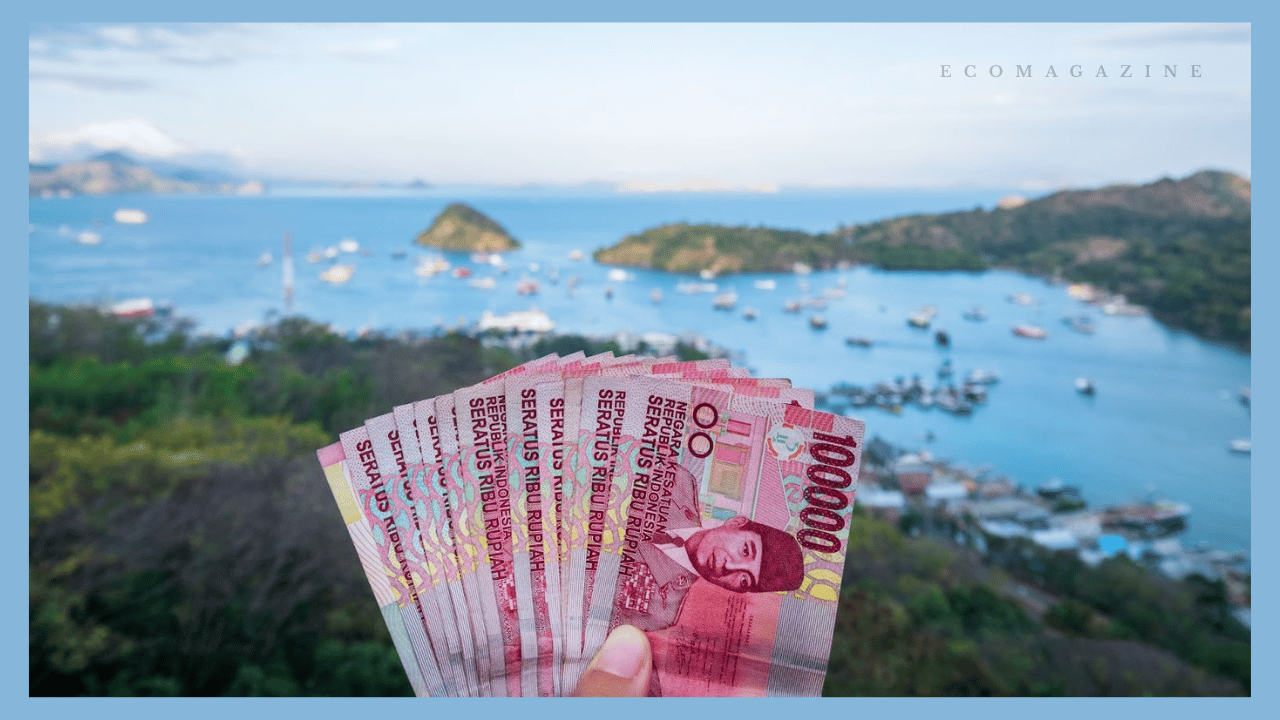
For most travelers, exchange rates are something you only think about when you’re standing in line at an airport kiosk. But if you’re planning a trip to Indonesia this year, a little awareness can go a long way. The value of the Indonesian Rupiah (IDR) shifts quietly in the background, and those small changes can shape how far your money goes once you land.
If you’re headed to Bali, Yogyakarta, or the islands of Komodo, understanding what moves the Rupiah – and how to handle your exchanges – can help you save without even trying.
What’s Shaping the Rupiah in 2025
The Rupiah has been holding a steady rhythm this year, but it still reacts to the usual global forces: exports, interest rates, and tourism. Indonesia’s economy relies heavily on commodities like nickel, coal, and palm oil, so when global demand for these rises, the country earns more foreign currency and the Rupiah strengthens. When those prices dip, it can ease a little.
That’s one reason travelers sometimes prefer to buy Indonesian Rupiah before their trip – locking in the rate while it’s favorable instead of gambling on small daily shifts. It’s not about predicting the market, just about knowing you won’t lose a few extra percent at the airport counter.
Tourism plays a role too. As more flights return and international travel rebounds, the flow of foreign money supports Indonesia’s economy and adds stability to the currency. A busier travel season often means steadier prices – good news for anyone budgeting their meals, excursions, or hotel stays ahead of time.
The Global Connection
The Rupiah also dances to the tune of global currencies, especially the U.S. dollar. When the dollar strengthens, emerging-market currencies like Indonesia’s tend to soften slightly. It’s not a crisis – just the normal ebb and flow of international finance.
For you, the traveler, that often means better value. A modestly weaker Rupiah stretches your money further, making hotel stays, meals, and local excursions a bit cheaper. It’s one of those quiet benefits of timing your trip right.
Still, it’s worth checking rates before exchanging large sums. Even a few percentage points can add up over the course of a two-week holiday, especially if you’re booking tours or paying for domestic flights on the spot.
Planning Ahead
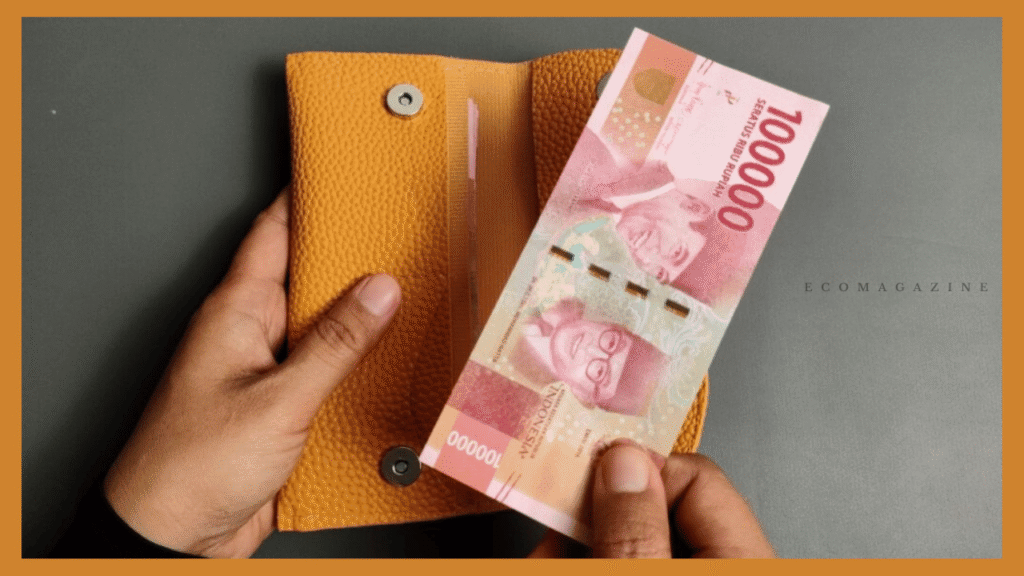
A bit of preparation before your flight can smooth out the entire arrival experience. Getting some Rupiah ahead of time is useful for taxis, snacks, and smaller purchases before you find a good local ATM.
Banks and licensed exchange services back home usually offer more transparent rates than airport counters. If your local bank lets you pre-order foreign currency, do it – you’ll avoid the steep spreads that kiosks hide behind “no commission” signs.
Online exchange platforms can also help you lock in a rate in advance, especially if you’re converting a larger amount. Even if you only bring a few hundred dollars’ worth, it’s better than scrambling at the arrival hall.
Managing Money Once You’re There
Indonesia blends modern convenience with old-school habits when it comes to money. In big cities and tourist hubs like Bali, Yogyakarta, or Surabaya, you can use cards almost everywhere. But in smaller towns, markets, or ferry ports, cash is still king.
ATMs are easy to find, especially from large banks like BCA, Mandiri, and BNI. Always choose to withdraw in local currency, not your home one – otherwise you’ll pay an extra conversion fee, often around 3-5%. It’s one of the simplest ways to keep your spending efficient.
Travel-friendly cards like Wise, Revolut, or Monzo are becoming popular for good reason. They let you store multiple currencies, including Rupiah, and spend directly from your balance without hidden charges. If you’re planning to stay a few weeks, these can save you a surprising amount in fees.
How It Feels on the Ground
In 2025, Indonesia still feels like one of the most affordable destinations in Asia, even as it modernizes. The Rupiah’s stability keeps prices consistent, and most visitors report that costs remain similar to last year.
Street food is still wonderfully cheap – a plate of nasi goreng or mie ayam for under two U.S. dollars. Boutique hotels in Bali, Ubud, or Lombok feel like luxury for half the price of similar rooms in Europe. Even guided day trips, scuba dives, or private drivers stay within reach for most travelers.
This predictability makes it easier to plan daily budgets. You can estimate meals, activities, and transport without constant recalculation. That calm, steady value of the Rupiah makes Indonesia not just beautiful but refreshingly easy to navigate financially.
Small Habits That Make a Big Difference
You don’t need a complicated strategy – just a few small routines:
- Avoid airport exchanges. Their rates are the worst by far.
- Use official changers. Look for clear signage, printed rates, and no “extra” fees at the counter.
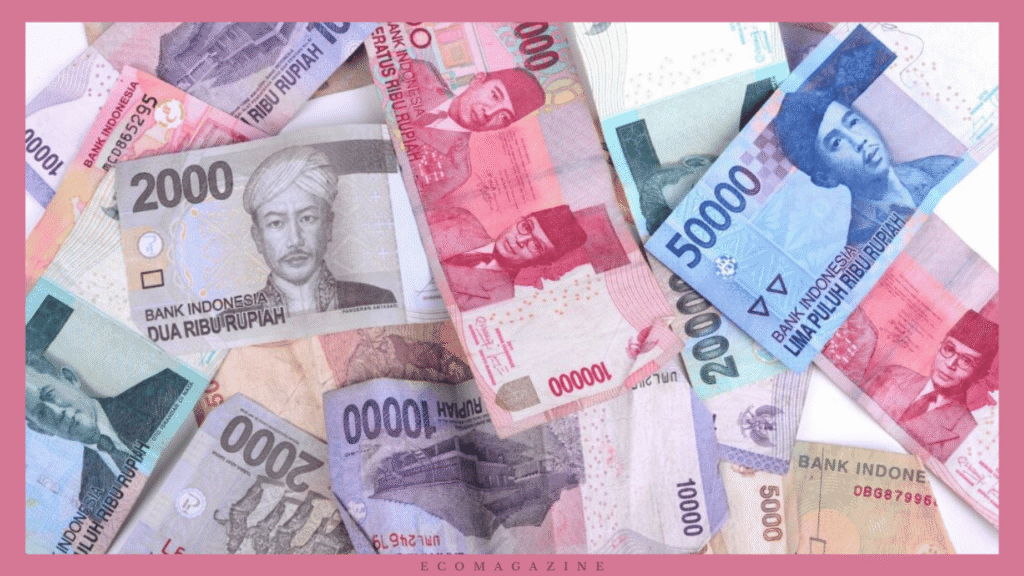
- Carry smaller notes. Many vendors and taxi drivers can’t break large bills.
- Check your card fees. Some banks refund or waive international ATM charges if you use partner networks.
- Save receipts. You might be able to sell leftover Rupiah back at a better rate if you can show where you exchanged it.
- Trust your instincts. If something feels off about a money changer or ATM, walk away – there’s always another nearby.
Those quick checks take seconds but protect you from the slow leak of hidden costs that can add up over a trip.
Why the Rupiah’s Stability Matters
Currency might seem like background noise, but it has a real influence on how you experience a country. A volatile exchange rate can turn daily spending into guesswork; a stable one lets you relax and focus on the reason you came.
Indonesia’s current balance – a grounded economy, steady exports, and a healthy return of travelers – means the Rupiah isn’t swinging wildly like some regional currencies. For visitors, that’s peace of mind. You can plan confidently, book ahead, and know what your money will get you.
With a little planning, the only numbers you’ll need to think about in Indonesia are the ones on your camera – not the exchange rate.
