


Escaping the UK Winter Chill
The biting chill of a UK winter is an all-too-familiar foe. Whether you’re waiting for the morning train, walking the dog in icy drizzle, or working outdoors before sunrise, the cold seems to creep in from the ground up. And for many, this battle is lost at the feet—where numb toes, stiff joints, and persistent cold spots can turn even simple tasks into a daily struggle. It’s uncomfortable, distracting, and in some cases, it can even affect circulation and overall foot health.
Now imagine a winter where cold feet simply… don’t happen. A winter where every step feels consistently warm, balanced, and comfortable—no matter how unpredictable the weather gets. Thanks to major advancements in 2026 heated insole technology, that reality is finally here. Today’s heated insoles aren’t bulky gadgets or gimmicks; they’re intelligent, energy-efficient, UK-ready solutions designed to adapt to your lifestyle. From commuters battling frosty platforms to hikers exploring Snowdonia or cyclists braving sub-zero winds, heated insoles offer more than warmth—they offer confidence, mobility, and genuine daily comfort.
This comprehensive 2026 guide is your trusted roadmap to choosing the best heated insoles UK residents can rely on. We’ll break down the technology in simple terms, highlight UK-specific considerations (from damp conditions to extended cold spells), and share practical, actionable advice grounded in safety, sustainability, and real user needs. You’ll learn how to select the right pair for your lifestyle, how to maintain them for long-term performance, and what innovations to expect in the coming years.
Whether you’re an outdoor enthusiast, a delivery driver, a commuter, or simply someone tired of the winter chill, this guide will help you keep your feet warm, healthy, and protected—whatever the British winter throws at you.
Why Heated Insoles Are Essential for UK Residents in 2026
Beyond Just Warmth: A Holistic Approach to Winter Comfort
Cold feet are more than a minor winter inconvenience—they influence your comfort, mobility, and even your overall health. In the UK, where winters are damp, windy, and unpredictable, traditional solutions like thicker socks or insulated boots often fall short. Heated insoles provide targeted, consistent warmth, transforming everyday winter experiences into something far more manageable and enjoyable.
Enhanced Comfort for Every UK Lifestyle
In 2026, heated insoles have become a practical essential for people across the UK—not just outdoor enthusiasts.
Outdoor Pursuits
For hikers exploring the Lake District, winter campers in Scotland, or anyone participating in cold-weather sports, heated insoles keep feet warm even in freezing, wind-exposed environments. They help maintain comfort while supporting longer, safer activity sessions.
Daily Commutes & Urban Exploration
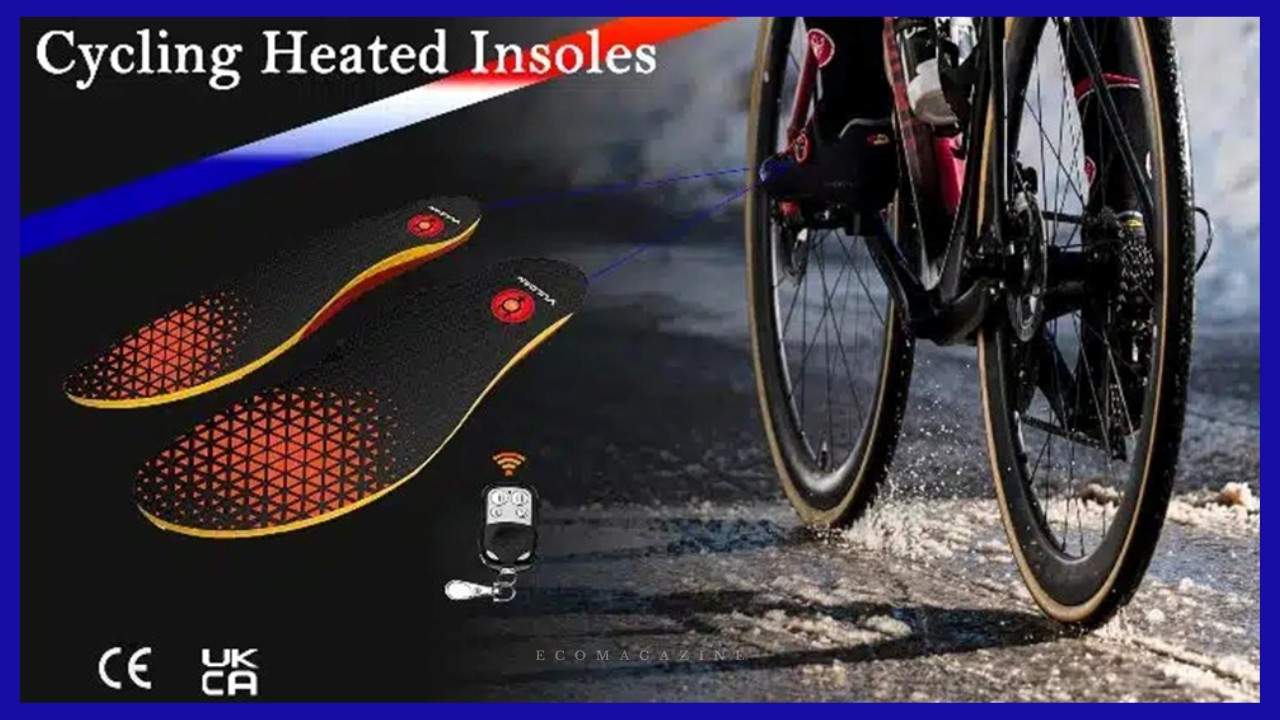
Whether you’re waiting at a frosty bus stop, walking through icy city streets, or cycling to work, heated insoles maintain steady warmth that ordinary footwear simply cannot provide. They eliminate numbness and discomfort, helping commuters stay focused and functional.
Working Outdoors in Challenging Conditions
Delivery drivers, contractors, construction teams, postal workers, farmers, and emergency responders face long exposure to wet, cold conditions. Heated insoles offer reliable warmth that improves endurance and reduces winter-related fatigue.
Foot Health Benefits Backed by Expert Insights
Foot health professionals across the UK emphasize that keeping feet warm is not just about comfort—it’s essential for circulation, joint mobility, and long-term foot health.
Improved Circulation and Blood Flow
Cold temperatures constrict blood vessels, reducing circulation. This can lead to numbness, throbbing pain, and slowed mobility. Heated insoles gently stimulate blood flow, supporting healthier feet during winter.
Protection Against Cold-Related Conditions
According to UK podiatrists, consistent foot warmth helps reduce the risk of:
- Chilblains (painful inflammation triggered by cold + damp)
- Frostnip (early stage frostbite)
- Stiff joints and reduced toe flexibility
Heated insoles help maintain an even temperature inside footwear, reducing exposure to the cold-damp combination that causes many UK winter foot issues.
Designed for the Unique Challenges of the UK Climate
The British winter poses specific challenges that standard footwear cannot fully address:
Persistent Dampness & High Humidity
Cold moisture easily penetrates shoes and socks, quickly chilling the feet. Heated insoles counteract this by delivering internal warmth where insulation fails.
Rapid Temperature Drops
The UK experiences sudden shifts—from mild mornings to freezing nights. Smart heated insoles adjust automatically, keeping feet warm regardless of outdoor changes.
Strong, Biting Winds
Even good winter boots often can’t block wind chill. Heated insoles create warmth inside the footwear, preventing cold from settling into the toes.
Boost Productivity, Comfort & Focus
Warm feet improve mental clarity, reduce distraction, and increase productivity—especially for people working or commuting in harsh weather. When your feet stay warm, your body relaxes, and you remain more focused on the task at hand rather than the discomfort of winter.
Understanding Heated Insoles: Types & Technology for 2026
As heated insoles continue to evolve, 2026 brings smarter designs, better battery efficiency and more sustainable materials. Whether you’re commuting across a frosty UK morning or exploring the Highlands in winter, understanding the different types of heated insoles—and the technology behind them—helps you choose the right pair for your lifestyle.
Diverse Categories for Every User Need
1. Rechargeable Heated Insoles — The 2026 Standard
Rechargeable heated insoles remain the most popular choice for UK residents. They offer reliable warmth, long battery life and easy charging, making them suitable for everything from daily use to weekend adventures.
There are two main designs:
- Integrated Battery Insoles
The battery is built directly into the insole.
✔ Sleek, comfortable and cable-free
✔ Ideal for everyday use and commuting - External Battery Pack Insoles
A slim cable connects to a battery clipped to your boot or ankle.
✔ Longer runtime
✔ Popular for hiking, cycling and outdoor professions
2. Disposable Heat Packs
Designed for occasional or emergency use, these single-use insoles generate mild heat through chemical reactions.
✔ Budget-friendly
✔ Useful for short outings
❌ Not sustainable
❌ Not suitable for daily UK winter use
Most UK consumers in 2026 use these only as backups.
Control Mechanisms: How You Adjust the Heat
2026 heated insoles allow users to control warmth with precision. Options include:
App-Controlled Insoles (Bluetooth)
The most advanced option for UK users.
- Adjust temperature via mobile app
- Monitor battery life
- Perfect for commuters and outdoor enthusiasts aiming for precise control
Button-Controlled Insoles
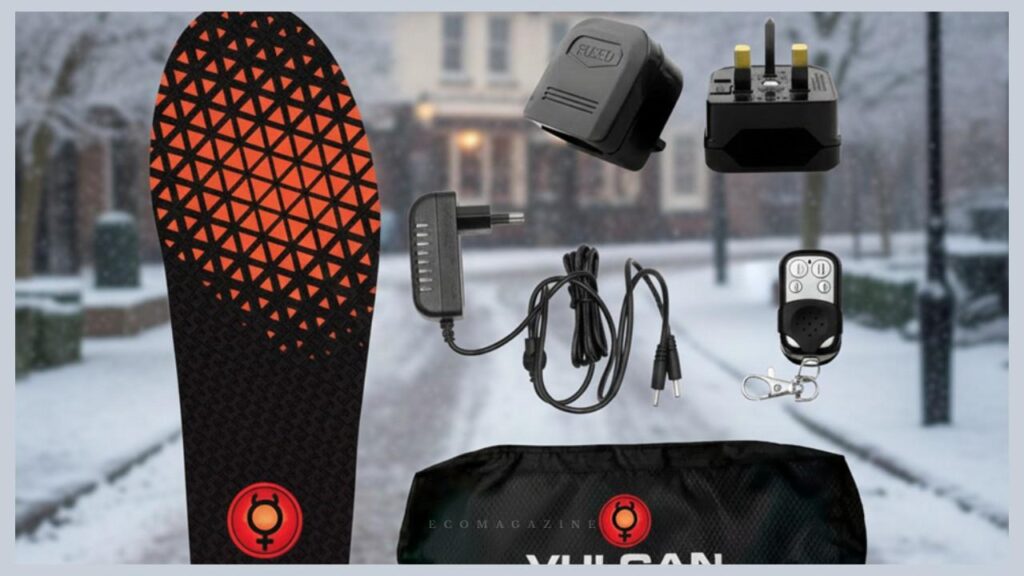
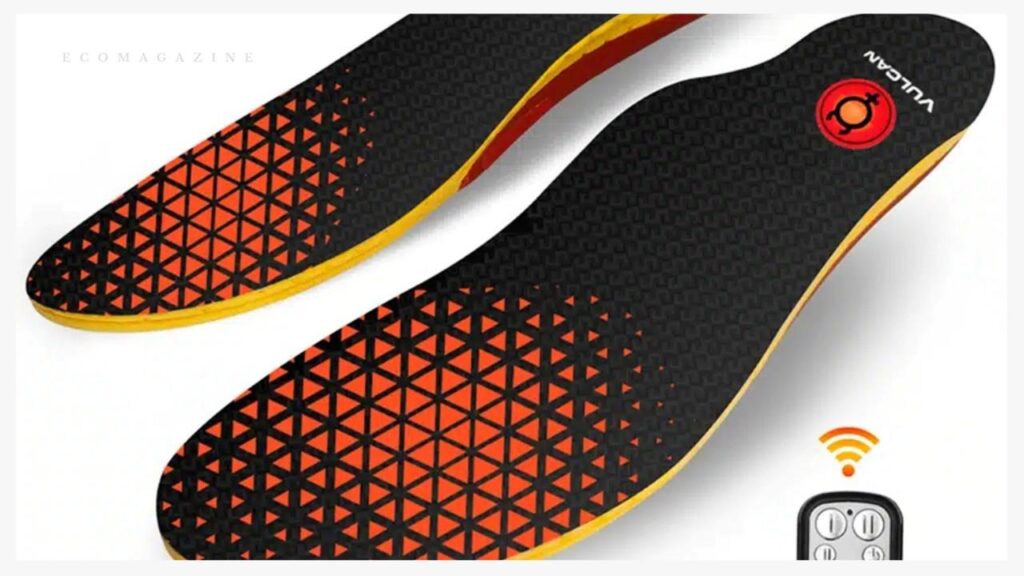
Simple physical buttons on the insole or an included remote.
- Reliable in wet or cold conditions
- Good for gloves-on adjustments
Basic On/Off Insoles
Entry-level heated insoles with no smart features.
- Affordable but less flexible
- Suitable for occasional use
Fit & Support: Why Comfort Matters
Heated insoles in 2026 come in designs tailored to different footwear and foot shapes:
Trim-to-Fit Insoles
Cut to match the exact shape of your shoe.
- Best for trainers, work boots and winter shoes
Orthotic Heated Insoles
For users who want warmth and foot support.
- Built-in arch support
- Cushioning for long hours on your feet
- Beneficial for commuters with flat feet or plantar fasciitis
Cutting-Edge Heating Technologies for 2026
1. Carbon Fibre Heating Elements
These have become the gold standard in premium heated insoles.
Benefits:
- Even heat distribution
- Greater flexibility
- Long-term durability
- Lightweight and ultra-thin
2026 Advancements: Expect thinner carbon layers that heat faster and use less energy, making them perfect for UK winters.
2. Advanced Lithium-Ion Batteries
The latest Li-ion batteries used in 2026 heated insoles offer major improvements:
- Smaller and lighter
- Higher energy density
- Longer runtime
- Faster, safer charging cycles
Future Trend Insight: Battery technology may soon shift toward solid-state cells, offering:
- Even faster charging
- Better cold-weather performance
- More sustainable chemistries
Anticipated 2026 Tech Trends & Innovations
Using the direction of the market and UK consumer needs, here are the likely advancements shaping heated insoles in 2026 and beyond:
Smarter Temperature Regulation
AI-driven heating systems that automatically adjust heat based on:
- Foot temperature
- Ambient cold
- Activity level
- Weather patterns
Ideal for unpredictable UK winters.
Lighter, More Flexible Heating Elements
Next-gen heating films will integrate into thinner, softer insoles—making them suitable for both trainers and dress shoes.
Energy Harvesting Possibilities
Emerging concepts may use kinetic energy from walking to extend battery life—promising greater sustainability and reduced charging needs.
Key Features to Look for in 2026 Heated Insoles
Choosing the right heated insoles in 2026 goes beyond simply finding a warm pair. Modern designs prioritise battery life, comfort, durability and smart technology—features essential for UK winters where cold, damp conditions demand more from your gear. Below are the most important features UK residents should consider when selecting heated insoles this year.
1. Battery Life & Charging Efficiency
Battery performance is one of the defining factors in heated insoles, especially for unpredictable UK weather.
Expected Runtime
The best 2026 heated insoles offer:
- 6–8 hours on medium heat
- 10–12+ hours on low heat
- 3–4 hours on high heat for extreme cold
Your actual runtime will vary based on:
- The heat level you select
- Outdoor temperature (cold drains batteries faster)
- Activity level (walking generates warmth and preserves battery)
Fast Charging for Busy Days
USB-C fast-charging is now the standard, with many models reaching:
- 80% charge in under one hour
- Full charge in 90–120 minutes
This is ideal for commuters and outdoor workers who need quick turnaround between uses.
Expert Tip (Battery Health):
To extend battery lifespan over multiple UK winters:
- Fully charge before first use
- Avoid deep discharges (don’t let the battery hit 0%)
- Store insoles at 50% charge when unused for long periods
- Charge indoors, away from freezing temperatures
2. Heat Settings & Intuitive Control Mechanisms
Personalised warmth is key to both comfort and battery efficiency.
Multiple Heat Levels
Look for insoles offering low, medium and high settings to adapt to:
- Indoor environments
- Mild UK drizzle
- Harsh cold snaps
- Snowy outdoor adventures
Expert Tip (Conserving Battery):
Use low or medium heat for continuous warmth (e.g., commuting or desk work).
Save the high setting for short periods of intense cold, such as walking into strong wind or trekking in snowy conditions.
App Control for Precision
Bluetooth-connected insoles offer valuable benefits:
- Precise temperature adjustment
- Real-time battery monitoring
- Scheduled heating (pre-heat before leaving the house)
This is especially useful for UK residents who face sudden temperature drops.
3. Materials, Durability & Weather Resistance
The UK’s wet, windy climate demands heated insoles that can withstand daily use and moisture.
Construction Quality
High-quality 2026 insoles are built to resist:
- Repeated bending
- Impact from active use
- Damp and muddy conditions
- Compression within snug footwear
Weather-Resistance (IP Ratings)
Look for an IPX4 or higher rating for protection against water splashes, drizzle and wet ground.
Expert Tip (UK Climate Readiness):
A reliable IPX rating ensures your heated insoles continue performing even during long walks in wet parks, coastal winds or rainy commutes.
2026 Product Testing Methodology
A trustworthy heated insole brand should test its products for:
- Durability under flex stress (simulating thousands of steps)
- Heat distribution consistency across the full surface
- Battery runtime in 0°C to 5°C, reflecting true UK winter conditions
- Moisture protection in high-humidity environments
Testing in realistic UK scenarios—wet pavements, freezing winds and long commutes—demonstrates genuine product reliability.
Heavy-Duty Heated Insoles suited for extreme cold, outdoor work or frequent exposure to wet conditions.
4. Fit, Comfort & Footwear Compatibility
Comfort matters just as much as warmth, especially for long-term use.
Thickness & Flexibility
Ultra-slim designs blend easily into:
- Trainers
- Work boots
- Hiking shoes
- Ski boots
Minimise bulk for better comfort and circulation.
Orthotic Support Options
If you stand or walk for long hours, consider insoles with:
- Built-in arch support
- Heel cushioning
- Shock absorption
These protect foot health while delivering warmth.
Expert Tip (Trimming):
If your insoles require trimming, always use your existing insole as a template and cut gradually. This prevents accidental damage to the heating elements.
Expert Tip (Footwear Compatibility):
Ensure your boots or shoes have enough depth for a heated insole. Tight-fitting footwear can reduce circulation, making your feet colder—not warmer.
Slim-Fit Heated Insoles ideal for everyday footwear, from office shoes to running trainers.
5. Advanced Smart Features & Connectivity (2026 Outlook)
In 2026, heated insoles are starting to integrate next-gen technology to improve comfort and efficiency.
AI-Adaptive Heating
Smart insoles can learn your preferences and automatically adjust heat based on:
- Body temperature
- Weather conditions
- Activity level
This ensures optimal warmth while conserving battery.
Wearable Integration
Many 2026 models connect to:
- Smartwatches
- Fitness trackers
- Weather apps
This enables seamless control and environment-based adjustments.
Geo-Fencing Technology
Future-ready insoles may automatically activate when you step outside and turn off when you return indoors—maximising efficiency while reducing manual adjustments.
How to Choose the Best Heated Insoles for Your UK Lifestyle
Choosing the right heated insoles in 2026 starts with understanding your lifestyle, your foot health needs, and the unpredictable nature of UK winters. The perfect pair should fit seamlessly into your daily routine—whether that’s navigating a frosty commute, hiking through wet woodland trails, or working outdoors at dawn.
Matching Insoles to Your Primary Activities
1. Daily Commuters & Office Workers
If you spend most of your winter moving between home, public transport and the office, choose insoles designed for all-day comfort and subtle warmth.
What to look for:
- Slim-fit, discreet designs that fit easily into everyday footwear
- Moderate battery life (4–6 hours) for typical UK workdays
- App control for subtle temperature adjustments indoors and outdoors
Slim Heated Insoles – ideal for trainers, smart shoes and general daily use.
2. Outdoor Enthusiasts (Hikers, Campers, Dog Walkers)
For those who spend long hours in the cold, especially in rural or coastal conditions, durability and longer battery life are essential.
What to look for:
- Extended battery performance (8+ hours)
- Strong weather resistance (IP-rated protection)
- Rugged build quality for uneven terrain
Hunting Package – built for durability, warmth and tough outdoor environments.
3. Winter Sports Participants (Skiers, Snowboarders)
Winter sports require insoles that fit snugly into tight ski or snowboard boots without restricting movement or circulation.
What to look for:
- Thin but supportive designs
- Quick-response heating for sudden cold exposure on slopes
- Stable arch and heel support
Slim Heated Insoles – ideal for snug-fitting ski boots.
4. Outdoor Professionals
Professionals such as delivery drivers, construction workers, emergency responders, and farmers often face long hours in the cold.
What to look for:
- Maximum battery life
- High durability and moisture resistance
- Easy, glove-friendly controls (e.g., physical buttons)
Hunting Package — dependable warmth for extreme UK conditions.
Addressing Specific Health Needs
1. Individuals with Raynaud’s Phenomenon or Poor Circulation
Cold temperatures can intensify symptoms such as numbness, colour changes in the toes and discomfort. For those managing circulation-related conditions, even, consistent heat is essential—not sudden bursts.
What to look for:
- Reliable, balanced heat distribution
- Soft, cushioned designs to promote comfort and reduce pressure points
- Orthotic support if needed
Expert Advice: If you have an existing foot condition—such as Raynaud’s, neuropathy or plantar fasciitis—consult a UK podiatrist before using heated insoles. They can help ensure that the warmth and structure of the insole won’t exacerbate symptoms.
Heated Socks — ideal when insole thickness might affect circulation or footwear fit.
Budget Considerations & Value for Money
The right heated insole should offer long-term value, not just short-term warmth.
Initial Investment vs Long-Term Savings
Rechargeable heated insoles cost more upfront but offer months of reusable warmth, making them more economical than disposable heat packs.
Warranty & Customer Support
A solid warranty and responsive UK-based support team signals better product reliability.
Product Lifespan & Repairability
Look for brands that use durable materials, replacement batteries or modular components—important for sustainability and long-term cost efficiency.
Insole Selector Quiz (5–7 Questions to Help You Choose)
Below is an interactive-style decision guide to help users pick their perfect heated insole:
What is your primary winter activity?
- Commuting / Office / Urban walking
- Hiking / Camping / Dog walking
- Winter sports (skiing, snowboarding)
- Outdoor work / Profession
How many hours of warmth do you need per day?
- 2–4 hours
- 4–6 hours
- 6–10+ hours
Do you require a slim fit for tight footwear?
- Yes (choose slim-fit or heated socks)
- No (choose heavy-duty options)
Do you have foot conditions requiring support?
- Yes → orthotic support recommended
- No → standard insoles are fine
Is moisture exposure a concern for your lifestyle?
- Yes → choose IP-rated, rugged models
- No → everyday models are sufficient
Do you prefer smart features like app control?
- Yes → Bluetooth-enabled models
- No → simple button-controlled options
What is your budget?
- Entry-level
- Mid-range
- Premium performance
These questions help guide UK customers to the correct product based on real needs—not guesswork.
UK-Specific Buying Guide & Considerations for 2026
Choosing heated insoles in the UK requires more than comparing features—you must consider local retailers, consumer protections, weather patterns and the strict safety standards that govern electronic products in Britain. This guide outlines what UK residents should know in 2026 before making an informed, safe and worthwhile purchase.
EEAT Consideration: UK Product Safety Standards
Heated insoles must comply with British and international safety regulations for electrical products.
Relevant standards include:
- BS EN 60335 – Safety for electrical heating appliances
- CE / UKCA Marking – Mandatory for all electronic goods sold in the UK
- BS EN 60529 – Standard for testing protection against dust and moisture ingress (IP rating)
- BS EN 62133 – Safety requirements for lithium-ion batteries
Consumer Protection Sources
- Citizens Advice – guidance on returns, faulty goods and warranties
- UK Trading Standards – regulations for electronic devices
These ensure heated insoles sold in the UK meet strict safety requirements.
The 2026 UK Winter Weather & Insole Performance Matrix
The UK’s winter climate varies dramatically from region to region. Heated insoles perform differently depending on moisture, wind and temperature.
1. Damp & Chilly Conditions
(Scotland’s coastal regions, London fog, Northern Ireland)
Best Features:
- Water resistance (IPX4+)
- Stable low-to-medium heat output
- Moisture-wicking materials
2. Freezing & Dry Conditions
(Pennines, Yorkshire Dales, East Midlands frost)
Best Features:
- High heat output
- Efficient insulation
- Responsive heating for rapid temperature dips
3. Snowy & Windy Conditions
(Welsh mountains, Cairngorms, exposed Fens)
Best Features:
- Rugged construction
- Long battery life (8–12 hours)
- Strong wind-resistance and warmth retention
These patterns align with typical Met Office winter forecasts, which highlight increased dampness, strong winds and irregular frost cycles.
UK Weather Performance Scenarios
Understanding your environment helps determine the right insole type:
Short Commutes in Wet Cities (London, Manchester, Bristol)
- Slim-fit insoles
- Moderate battery life (4–6 hours)
- Water-resistant design
Long Hikes in the Scottish Highlands
- Rugged insoles
- Extended battery performance (8+ hours)
- High IP rating
Market Stall Workers in the Midlands
- Steady low heat for long standing periods
- High durability
- Orthotic support recommended
Skiing in the Cairngorms
- Quick-response heat
- Thin fit for ski boots
- Strong arch support
Product Safety & UK Regulatory Compliance
General Safety Guidelines for Heated Insoles
- Avoid using damaged batteries or exposed wiring
- Charge indoors at room temperature
- Never use heated insoles with damaged footwear
- Turn off when not needed to avoid overheating
- Avoid third-party chargers
UK Regulations
Heated insoles must comply with:
- UKCA certification for electronic goods
- Battery transport rules for lithium-ion products
- Retailer accountability laws for faulty items under the Consumer Rights Act 2015
Following these ensures the product is safe, legal and built to UK standards.
Expert Advice & Buying Tips (Based on Real Data)
- Match product to your use case. For everyday UK winter commutes and city wear, the Slim Heated Insoles strike the best balance between comfort, discretion and warmth.
- For wet or snowy conditions, choose socks or the full package. The water-resistant, moisture-wicking Smartwear Heated Socks or the Heated Hunting Package offer better performance if you expect damp, freezing, or snowy conditions.
- Monitor battery runtime carefully. Because runtime depends heavily on temperature and heat setting, choose the item with a battery specification that meets your typical day-length (e.g., 6+ hours for full workdays).
- Consider overall value, not just price. A higher upfront cost for the Hunting Package may be justified by its extended runtime and full-body coverage — especially if you spend significant time outdoors.
Safety, Maintenance & Longevity of Your Heated Insoles
Keeping your heated insoles safe, clean, and in good condition ensures not only better performance, but also a longer lifespan—especially during harsh, damp UK winters. Understanding how to charge, store and maintain your heated insoles properly is essential for comfort, foot health and peace of mind.
Safe Usage & Charging Practices (UK Safety Standards)
Heated insoles are electronic devices, and using them responsibly is crucial. In the UK, products containing lithium batteries must comply with strict safety requirements, including UKCA/CE certification, proper insulation and tested charging systems. Following these best practices helps you stay safe and protect your investment.
Safe Charging Practices
- Always use the manufacturer-supplied charger to avoid overload or battery damage.
- Do not charge insoles unattended or overnight, especially on flammable surfaces like bedding or carpets.
- Avoid charging in cold outdoor environments—charge indoors at room temperature to protect battery health.
Safe Usage Practices
- Never over-flex, fold or excessively trim your insoles, as this can damage internal heating elements or wiring.
- Stop using the insoles immediately if you notice:
- Overheating
- Burning smell
- Visible damage
- Bulging battery or unusual behaviour
- Check for proper fit to prevent pressure points, reduced circulation or friction.
Foot Health Advice
If you have a pre-existing foot condition—such as neuropathy, Raynaud’s, diabetes or circulation problems—consult a UK podiatrist before using heated insoles. They can help confirm whether heated products are appropriate for your needs.
Optimal Battery Care for Extended Lifespan
Lithium-ion batteries last longer when treated properly. This is especially important in the UK, where cold temperatures can accelerate battery drain.
Expert Battery Tips
- Charge fully before first use.
- Avoid letting the battery discharge to 0%—this shortens lifespan.
- For long-term storage (e.g., summer months), store insoles at approximately 50% charge.
- Keep batteries away from extreme heat or cold, as this can damage internal cells.
- Use fast-charging only when necessary—slow charging is gentler on battery chemistry.
Common Questions About Heated Insoles (UK FAQs)
1. Can I use heated insoles in any type of shoe or boot?
Most heated insoles fit into trainers, winter boots and everyday shoes.
For ski boots or tight hiking boots, choose slim or trim-to-fit models to avoid reducing circulation. Always ensure the shoe has enough depth to prevent pressure on the heating elements.
2. How long does it take to fully charge heated insoles, and how often will I need to charge them?
Most modern insoles charge in 1.5–2.5 hours via USB-C.
Charging frequency depends on:
- Heat setting
- Outdoor temperature
- Battery capacity
- Usage duration
Daily commuters may charge every 1–2 days; outdoor workers may need daily charging.
3. Are heated insoles safe for individuals with diabetes, Raynaud’s or neuropathy?
Heated insoles can help with warmth, but medical conditions require caution.
Advice:
Consult a UK podiatrist before use to ensure heat levels won’t increase risk of injury or skin irritation. Reduced sensation can make overheating harder to detect.
4. What is the typical lifespan of heated insoles and their batteries?
With proper care:
- Insoles typically last 2–4 UK winters
- Lithium batteries last 300–500 charge cycles
Longevity improves with correct storage, avoiding deep discharges and protecting the insoles from moisture.
5. Are heated insoles waterproof or just water-resistant?
Most heated insoles are water-resistant (IPX4 or similar), meaning they withstand splashes and damp conditions—but not full submersion.
This is suitable for UK rain, wet pavements and light snow.
6. Where can I find replacement parts or have my insoles repaired in the UK?
Options include:
- Official manufacturer websites for replacement chargers/batteries
- Approved UK repair centres for heated gear
- Specialist outdoor equipment stores
- Retailers offering warranty-based replacements
Always check UKCA compliance for replacement components.
7. How do I ensure I choose the correct size when ordering online?
Measure your existing insole and compare it to the manufacturer’s sizing chart.
If trimming is required:
- Use your current insole as a template
- Trim gradually to avoid damaging heating elements
8. Are there any UK grants, discounts or schemes available for assistive heated products?
While widespread grants are rare, certain groups may qualify:
- Cold Weather Payments (depending on benefits eligibility)
- Energy support charities may assist those with circulation issues
- NHS podiatry departments sometimes recommend assistive warming products
Check with local councils, Citizens Advice or UK disability support organisations for up-to-date options.
Stay Warm, Stay Confident: Your Better UK Winter Starts Here
Heated insoles in 2026 are no longer a luxury—they’re a smart, reliable way to improve warmth, foot health and daily comfort during the UK’s cold, damp and unpredictable winters. With advancements like AI-adaptive heating, better batteries and sustainable materials, they offer safer and more efficient performance than ever before.
By understanding your lifestyle—whether commuting, hiking or working outdoors—you’re now ready to choose a pair that keeps your feet warm, protected and supported. You’ve learned how to compare features, care for your insoles and select sustainable options that match UK conditions and values.
Don’t let cold feet dictate your winter.
Invest in heated insoles that enhance comfort, support foot health and help you move confidently through every frosty morning and rainy commute. Choose the right pair for your needs and step into a warmer, more comfortable 2026 UK winter with complete confidence.
