


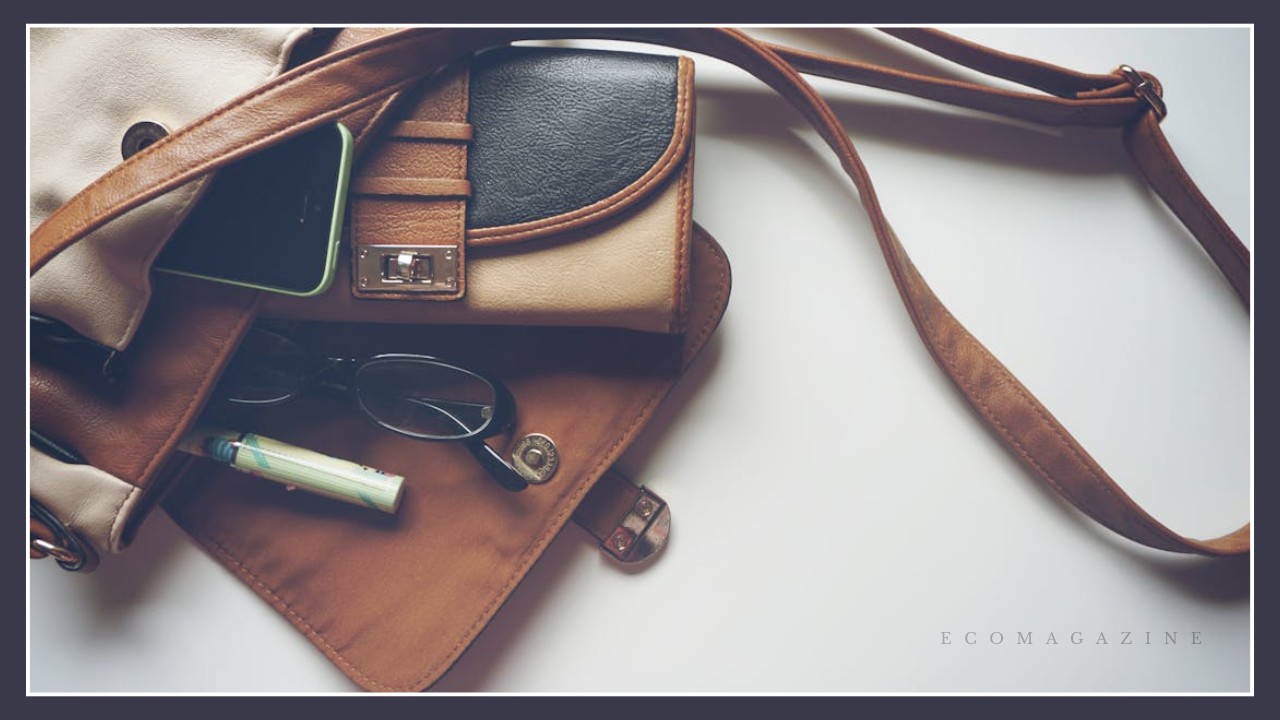
A leather bag can be more than just a place to carry your essentials. It can reflect your personal style, support your daily routine, and even age gracefully with use.
Whether you prefer a structured briefcase, a refined laptop bag, or a travel pouch for men from Maxwell Scott as an example of compact everyday carry, the wide variety of options available can make choosing the right one feel overwhelming.
However, to find a bag that truly suits your lifestyle, consider several factors, including purpose, leather type, size, and care. This overview breaks down what to look for when selecting a leather bag that suits your routine.
Evaluating Leather Quality
The quality of a leather bag starts with the type of material used. Not all “leather” bags are created equal, so it pays to know what you are getting.
- Full-grain vs. corrected-grain or bonded leather: Full-grain leather comes from the hide’s outer layer and tends to be more durable, developing a natural patina over time. Corrected-grain or bonded leather, while less expensive, may show wear sooner.
- Feel and thickness: A leather bag with some weight and a firm yet supple texture usually signals better quality. Thin or plasticky leather — especially at stress points like edges or seams — may not hold up under frequent use.
- Finish and stamping: Look for clear, uniform texture, minimal scars or marks, and consistent dye or finish. Overly shiny or plasticky coatings can mask low-quality leather beneath.
Choosing Appropriate Size and Capacity
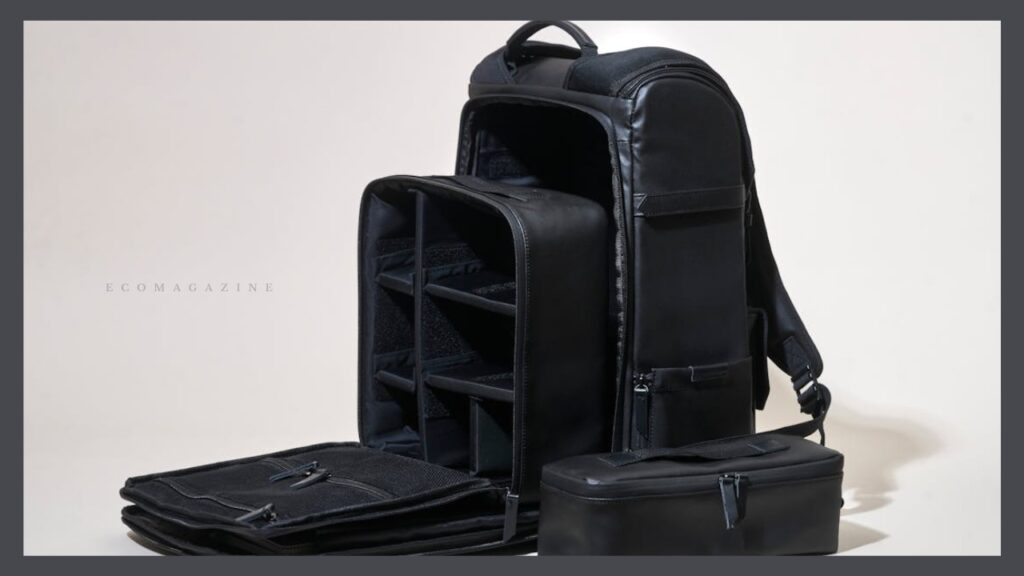
Selecting the right size depends on how you plan to use the bag. A mismatch can make even a high-quality bag impractical.
Consider these factors when evaluating size:
- Items you carry daily: If you commute with a laptop or tablet, choose a bag with a padded compartment that fits your device. For lighter uses — like carrying wallets, books, or a change of clothes — a smaller messenger or sling bag may suffice.
- Portability vs. storage: Larger bags offer more space but can feel bulky when mostly empty. Smaller bags are easier to carry but may be limiting if you often bring extra items.
- Versatility for different occasions: If you want a bag suitable for work, travel, and casual outings, aim for a medium-sized bag that balances capacity and portability.
Ultimately, a bag that is either too large or too small can undermine convenience. Prioritize a size based on your most common usage patterns.
Matching Bag Style to Purpose
Leather bags come in various shapes and designs — each suited to different needs. Choosing the right style ensures the bag works for you, not against you.
Below is a quick breakdown of common styles and their ideal uses:
- Briefcase-style: Structured, rigid, and typically rectangular — ideal for professional or business settings, carrying documents and laptops.
- Messenger-style: Worn across the body and often more casual; well-suited for urban commuting, cycling, or casual workdays.
- Backpack-style: Offers symmetry and distributes weight evenly — useful for heavier loads or travel.
- Duffle or weekender-style: Larger capacity for short trips or gym use, but less structured — better suited for travel or casual use rather than formal settings.
Examining Hardware and Construction
Good leather and the right style are important — but the bag’s hardware and build quality are equally critical for durability and usability.
When inspecting hardware and construction, pay attention to:
- Sturdy zippers and closures: Metal zippers and solid buckles or clasps often last longer than plastic hardware. Check that zippers glide smoothly.
- Reinforced stitches and seams: Stress points — like bag corners and handles — should have tight, even stitching. Double-stitching or reinforced seams add strength.
- Quality of lining and compartments: A durable lining protects contents and maintains bag shape. Interior compartments or pockets help organize belongings and prevent wear and tear.
- Edge finishing: Well-treated, sealed edges resist fraying. Rough or raw edges may wear out quickly or catch on clothing.
Balancing Practical Features and Design
Beyond leather, size, style, and construction, the usefulness of a leather bag often depends on practical details.
Consider these practical aspects before deciding:
- Comfort of carrying: Features such as wide straps, padding, and ergonomic shaping help maintain comfort during extended use.
- Organization inside: Dedicated pockets for items like pens, phones, chargers, and documents make daily use smoother and help prevent damage to personal items.
- Weight when empty: Some higher-quality leather bags can be heavy even when empty. If you travel or commute often, a lighter bag might offer better overall comfort.
- Adaptability to weather: While leather is generally durable, exposure to rain or humidity may affect less-treated bags. A bag with a protective finish or one that allows you to attach a rain cover adds versatility.
End Note
Selecting the perfect leather men’s bag comes down to matching your lifestyle and daily habits with the right combination of quality, practicality, and design. By carefully evaluating leather quality, choosing the correct size and style, checking for robust construction, ensuring useful features, and committing to basic maintenance, you can choose a bag that serves both functional and aesthetic needs for many years. A well-chosen leather bag can be more than just an accessory, it becomes a companion that grows more distinguished with time.
