


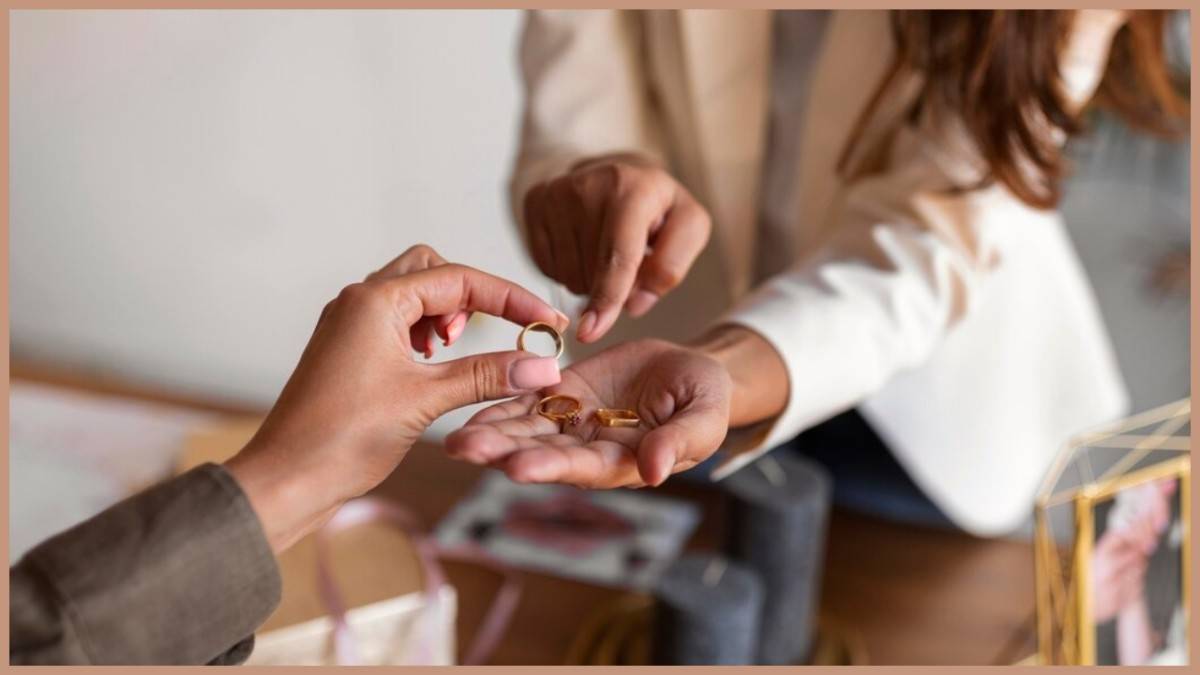
Jewellery is so personal, isn’t it? It marks our most precious milestones. However, the backstory of a diamond or gold ring can be a bit murky. The good news is that many brands are now prioritizing ethics.
It’s becoming much easier to shop with a clear conscience without losing any of the sparkle. We’ve pulled together eight practical ways to help you choose pieces that are as kind as they are beautiful.
1. Understanding Sustainable Jewellery
Sustainability in jewellery is about way more than just one “eco” feature. A recycled gold band is a great start, but it doesn’t mean much if the workers weren’t paid a living wage. You want to see a brand taking responsibility for the whole lifecycle of the piece.
A brand that’s doing the right thing will be proud to tell you exactly where their metals and stones come from. If a website feels a bit like “smoke and mirrors” or uses loads of jargon without saying much, it’s a bit of a red flag. Look for those who publish real reports; it shows they’re actually putting in the work.
2. Choosing Eco-Conscious Materials That Reduce Impact
If you’re trying to shop a bit more ethically, the material list is the best place to start. We all know that digging new mines is a bit of an environmental issue, but the good news is that we’ve already got plenty of precious metal above ground.
Recycled silver and gold are absolute lifesavers here. They offer the same quality as “new” metal but with a fraction of the carbon footprint. When you pair that with gemstones from mines that actually look after their staff and the local habitat, the carbon footprint is pretty low.
It’s less about extraction and more about being a bit more sensible with the world’s resources.
3. Why Gold Has a Strong Sustainable Case
One of the loveliest things about gold is its durability. Gold jewellery is timeless, sure, but it’s also one of the most sustainable materials we have because we can just keep reusing it. Most of the gold in circulation today has lived many lives already, perhaps as a Victorian brooch or even a component in a machine!
Using recycled metal is a very practical way to enjoy a bit of luxury without the high “environmental cost.” That’s not to say all mining is bad, though. Plenty of operations now follow very strict labour and environmental rules to ensure they’re doing right by their communities.
At the end of the day, whether it’s recycled or responsibly sourced, gold is a brilliant example of how something can be both high-end and truly long-lasting.
4. Ethical Sourcing and Fair Trade Certifications Matter
It’s easy to forget, but every gold ring or necklace started life in the hands of a miner, often thousands of miles away. Ethical sourcing is just about making sure those people are looked after. Because the journey from a mine to a UK shopfront is so complex, oversight is a real challenge. That’s why we should always look for those specific stamps of approval.
Fairtrade gold is a big one; it guarantees fair pay and decent working conditions, and the “premium” price actually goes towards building things like local schools. You’ve also got the Responsible Jewellery Council and Fairmined doing similar work.
No certification is a magic wand, but they do provide that extra bit of transparency.
5. Responsible Manufacturing and Low-Waste Design
Sustainability doesn’t just stop once the materials are in the building. Truth is, how that jewellery is actually put together matters just as much. Responsible manufacturing is basically about treading a bit lighter: cutting down on waste, watching the energy bills, and ditching the nasty chemicals.
You’ll find that most decent ethical jewellers stick to small-batch production. It’s a smart way to avoid that mountain of unsold stock that usually just ends up as waste. Some even run their benches on green energy or recycle the water used for polishing. But it’s also in the design. If it’s designed to be resized or mended, it can stay on someone’s finger for forty years instead of six months.
6. Ask Questions and Read Between the Lines
Honestly, being a bit of a nosy parker is your best bet here. Any brand that’s actually doing the right thing won’t mind a few pointed questions; in fact, they’ll probably welcome the chance to show off.
If a company gets a bit cagey or hides behind a “confidentiality” excuse, they’re likely not prioritising the planet. Have a proper look at their FAQs and see if they’re actually giving you facts or just a bit of a sales pitch. If it feels a bit thin, it probably is, but don’t be hesitant to ask questions.
7. Supporting Smaller, Transparent Jewellery Makers
Don’t overlook the independent jewellers when you’re shopping ethically. Actually, many of them are miles ahead of the big brands because they control every single link in their chain. They’re the ones chatting directly to the stone cutters and refiners, which cuts out the middleman and keeps things transparent.
They might not have a shop on every corner, but the level of honesty and care they put into their work is something else entirely. It’s a refreshing change from the usual generic promises you see elsewhere in the industry.
8. Longevity, Care, and the Most Sustainable Choice of All
We often get so caught up in “new” eco-friendly materials that we forget the greenest piece of jewellery is actually the one you already own. It’s all about longevity, really. If you pick something timeless rather than a “fast fashion” trend, you’re much more likely to still love it in a decade.
A bit of maintenance here and there means your jewellery can literally last indefinitely. Vintage shopping or breathing new life into old family gold is another brilliant shot. It’s not necessarily about buying less; it’s more about buying with a bit of heart and keeping things in use.
A Thoughtful Approach to Jewellery Buying
Sustainable style is all about progress over perfection. By choosing pieces made with a bit of heart and transparency, you’re helping protect the landscapes and communities behind the gems. Isn’t that powerful? It changes the whole definition of luxury. It stops being about showing off and starts being about making sure your beautiful things do some good.
