


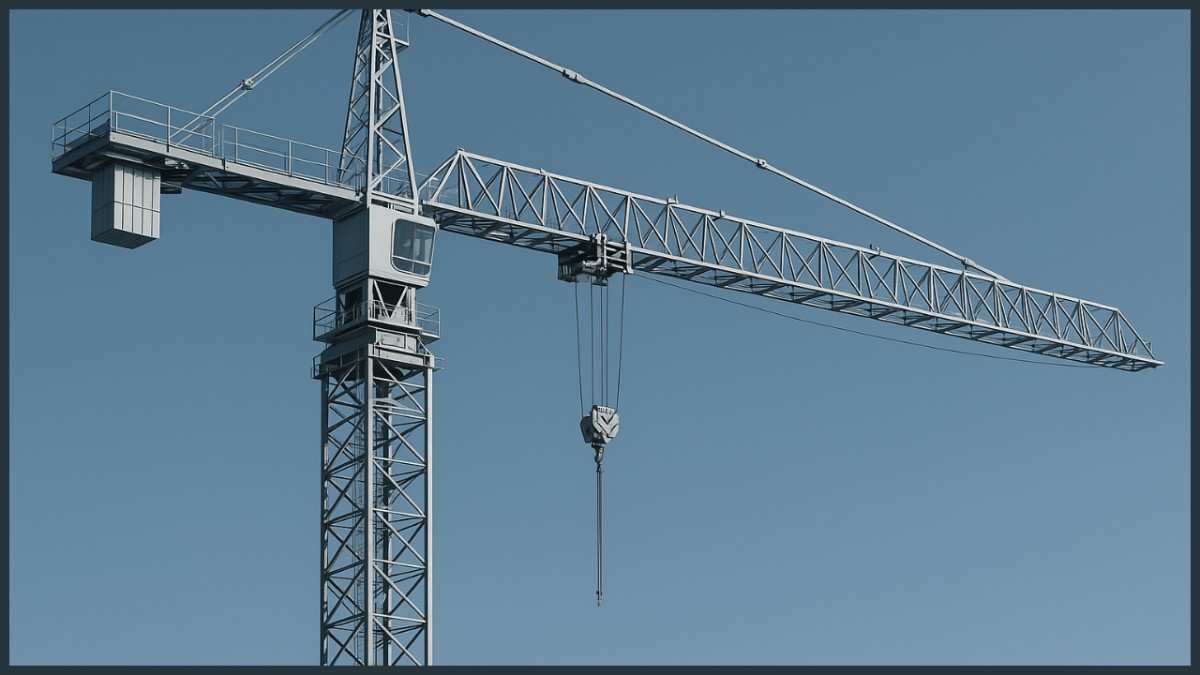
As the demand for green building practices grows, efficient construction methods become crucial. Cranes play a vital role in streamlining these projects, reducing both time and environmental impact. Technological advancements are further enhancing crane efficiency, making them indispensable in sustainable construction.
The importance of efficient machinery in sustainable construction cannot be overstated. As you explore the world of eco-friendly building projects, it becomes clear that advanced machinery is instrumental in meeting ambitious environmental goals. Within this framework, City Cranes often play a key role by enhancing efficiency through their presence on construction sites. By understanding how cranes integrate into these projects, you can appreciate their role in fostering a greener future.
The role of cranes in sustainable construction practices
Cranes are essential in modern construction, particularly when it comes to sustainable building projects. They enable the efficient movement of materials and equipment, significantly cutting down on time and labour. When you consider the logistics of a construction site, cranes streamline operations by lifting heavy materials quickly and safely to great heights, which reduces the need for manual handling and minimises risk.
Moreover, the use of cranes contributes to sustainability by optimising resource use and reducing waste. By enabling precise placement of materials, cranes help avoid excess material consumption and ensure that resources are used efficiently. This precision not only saves time but also minimises the carbon footprint associated with construction activities. As you explore how cranes fit into sustainable building practices, their importance becomes increasingly apparent.
Technological advancements in crane technology support sustainability
Recent innovations in crane technology have further bolstered their role in sustainable construction. Modern cranes are now equipped with features that enhance energy efficiency and reduce emissions. For instance, electric and hybrid-powered cranes are becoming more common on construction sites, offering a cleaner alternative to traditional diesel-powered models. These advancements align with global efforts to reduce reliance on fossil fuels and lower greenhouse gas emissions.
In addition to power innovations, smart technology is transforming crane operations by providing real-time data analysis and monitoring capabilities. This enables operators to make informed decisions that optimise performance and safety. You will notice that such advancements not only contribute to better project outcomes but also support broader sustainability goals by minimising environmental impact throughout the construction process.
Future trends shaping sustainable building practices with cranes
The future of sustainable construction is set to be influenced significantly by emerging trends in crane technology. As we move forward, expect to see a greater integration of automation and artificial intelligence in crane operations. These technologies promise to enhance precision and efficiency further while reducing human error and operational risks.
You might also anticipate the adoption of modular construction techniques that rely heavily on crane efficiency for assembly at scale. This method reduces construction time and material waste while allowing for more flexible design adaptations. By staying informed about these trends, you can better understand how they will impact the industry and contribute to achieving sustainability targets in construction.
