



Wireless charging has revolutionized how we power our devices, offering unprecedented convenience and cable-free functionality. However, this convenience comes with potential risks if proper safety standards aren’t met. Qi certification represents the gold standard in wireless charging safety and reliability, ensuring chargers meet rigorous international standards. Understanding what makes a charger truly Qi-certified helps consumers avoid dangerous counterfeit products while ensuring their devices receive safe, efficient power. This knowledge is crucial for protecting both your valuable electronics and personal safety in an increasingly wireless world.
What Is Qi Certification and Why Does It Matter?
The Origin of Qi Certification
Qi certification originates from the Wireless Power Consortium (WPC), an international organization established in 2008 to create global standards for wireless charging. The WPC comprises hundreds of technology companies including Apple, Samsung, and Sony, collaborating to develop safe, interoperable wireless power solutions. “Qi” (pronounced “chee”) comes from the Chinese concept meaning “energy flow,” reflecting the technology’s purpose of transferring energy without physical connections. This certification has become the universal standard, ensuring wireless charger works seamlessly across different brands and devices while maintaining strict safety protocols.
Key Benefits of Qi-Certified Chargers
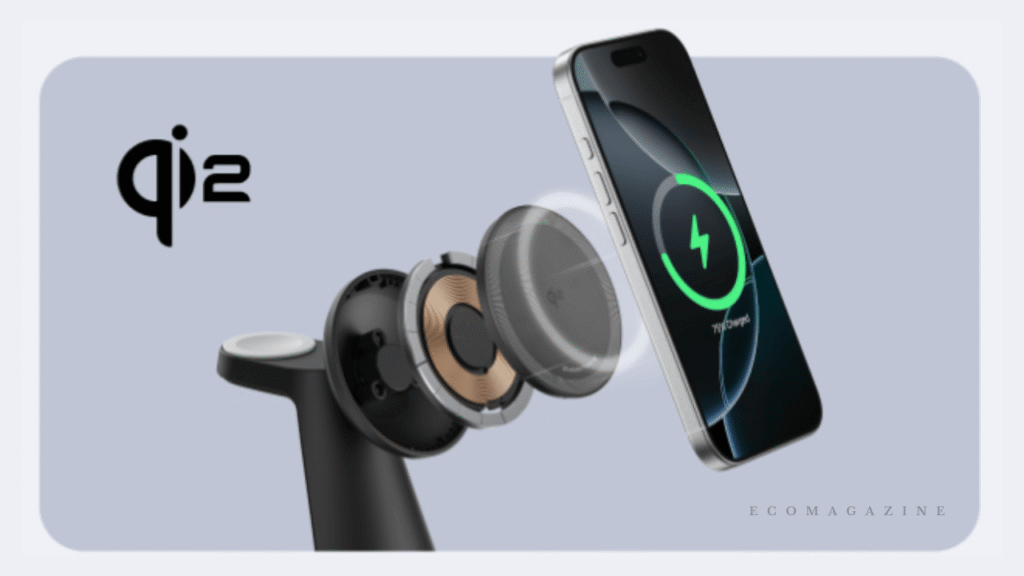
Qi certification guarantees chargers meet stringent safety and performance standards established by the WPC. Certified products ensure perfect compatibility with all Qi-enabled devices, from smartphones to wearables. They deliver consistent charging efficiency while incorporating essential safety features that prevent overheating and electrical hazards. The certification process verifies electromagnetic compliance, preventing interference with other electronic devices. Additionally, Qi-certified chargers undergo durability testing to ensure long-term reliability, protecting your investment while providing peace of mind that your devices are charging safely and efficiently.
How Qi Certification Ensures Safety?
Rigorous Testing Processes
Qi-certified chargers undergo comprehensive testing by authorized laboratories to verify compliance with WPC standards. These tests examine electromagnetic compatibility to prevent interference with other devices, thermal performance under various operating conditions, and charging efficiency across different power levels. The certification process includes stress testing for extended operation, verifying the charger maintains safe temperatures and consistent performance. Additional tests check for proper power management and electrical isolation, ensuring user safety during normal operation and potential fault conditions. This thorough evaluation guarantees certified chargers perform reliably while minimizing potential risks.
Safety Features Built into Qi Chargers
Certified Qi chargers incorporate multiple safety mechanisms that protect both the charger and connected devices. Foreign Object Detection (FOD) automatically pauses charging when metal objects are detected, preventing overheating and potential fire hazards. Overcharge protection monitors device battery levels, reducing power once charging completes. Thermal sensors continuously monitor temperature, adjusting power output to prevent overheating. Electrical isolation protects against power surges, while proper shielding minimizes electromagnetic emissions. These integrated safety features work together to create a secure charging environment for your valuable devices.
How to Identify a Genuine Qi-Certified Wireless Charger?
Checking for the Qi Logo
Genuine Qi-certified products display the official logo on both packaging and the charger itself. The logo should appear crisp and professionally printed, not blurry or pixelated. On the charger, look for the Qi symbol embossed or printed clearly on the surface. The packaging should include the logo alongside other certifications like CE or FCC. Be wary of products claiming Qi compatibility without the official logo, as these often bypass proper certification. Authentic logos maintain consistent proportions and colors according to WPC specifications, while counterfeit versions often show irregularities.
Verifying Certification Online
The WPC maintains an official database where consumers can verify certification status. Visit the Wireless Power Consortium website and use their product verification tool, entering the manufacturer name and model number. Authentic products will display certification details including issue dates and supported power profiles. Many reputable manufacturers also provide verification through their own websites using unique product codes. This online verification takes only minutes but provides crucial confirmation that your charger meets all Qi standards for safety and performance.
Avoiding Counterfeit Qi Chargers
Counterfeit Qi chargers often exhibit clear warning signs including unusually low prices, poor packaging quality, and missing certification documentation. These products may feature misspelled brand names, lightweight construction, and poorly fitted components. Avoid sellers offering “OEM” or “compatible” products without official Qi branding. Counterfeit chargers typically lack proper safety features, posing risks of device damage, electrical shocks, or fire hazards. Purchase directly from authorized retailers or manufacturer websites to ensure authenticity, as the minimal savings from counterfeit products never justify the potential risks to your devices and safety.
Common Myths About Qi Certification
Myth: “All Wireless Chargers Are the Same”
This common misconception overlooks significant differences in quality and safety between certified and uncertified chargers. Qi-certified products undergo rigorous testing for electrical safety, thermal management, and electromagnetic compatibility, while uncertified alternatives may lack basic safety features. Certified chargers use higher-quality components that ensure consistent performance and longer lifespan. They also maintain proper power efficiency, reducing energy waste during charging. The certification process verifies accurate power delivery that matches device requirements, preventing potential damage from incorrect voltage or current levels that plague many uncertified alternatives.
Myth: “Qi Certification Slows Down Charging”
Contrary to this belief, Qi certification actually optimizes charging speed while ensuring safety. Certified chargers deliver the maximum power your device can safely handle, with advanced models supporting fast wireless charging up to 15W. The certification process verifies efficient power transfer without unnecessary speed reduction. Non-certified chargers often claim higher speeds but frequently fail to deliver consistent power, resulting in slower actual charging times. Qi certification ensures optimal performance by maintaining stable power delivery even as the charger heats up during extended use, something uncertified products often struggle with.
Conclusion
Qi certification represents the essential benchmark for wireless charging safety and performance. By choosing certified products, consumers ensure their devices receive optimal power delivery while being protected by comprehensive safety features. The rigorous testing process and ongoing compliance monitoring guarantee reliable operation throughout the charger’s lifespan. Always verify certification through official channels and purchase from reputable sources to avoid counterfeit products. Investing in genuine Qi-certified chargers protects both your devices and personal safety, providing peace of mind while enjoying the convenience of wireless power technology.
