

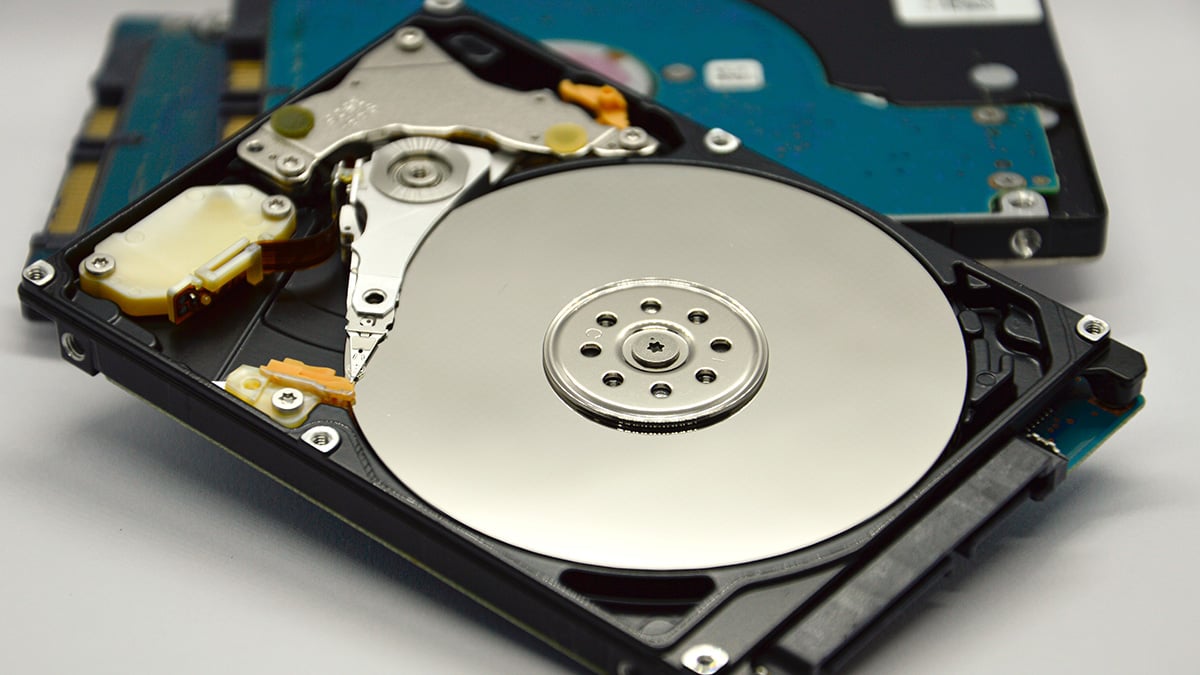
When it comes to selecting a hard drive for your computer or external storage needs, understanding the basics is crucial. Hard drives serve as the backbone of your data retention, and picking the right one can have a significant impact on performance and reliability. The term hdd hdd refers to traditional hard-disk drives, which have been a staple in computing for years.
Understanding Hard Drives
Hard drives have evolved significantly over the decades, providing users with increased storage capabilities and better data management. They are essential components that store your operating system, programs, and files. Although newer technologies like SSDs are available, HDDs remain a popular choice due to their cost-effectiveness.
Types of Hard Drives
The two main types of hard drives are HDDs and SSDs. HDDs use spinning disks to read and write data, while SSDs use flash memory. Each type has its advantages and disadvantages, depending on the intended use. HDDs generally offer larger storage capacities for a lower price, making them suitable for mass storage needs.
Capacity Matters
When choosing a hard drive, consider how much storage capacity you really need. HDDs can range from a few hundred gigabytes to several terabytes. Understanding your storage needs will help you determine the best option for your system.
Speed and Performance
Rotational speed, measured in RPM (revolutions per minute), is a critical factor in determining the performance of an HDD. Higher RPM values typically mean faster data access speeds, which can enhance overall system performance. However, increased speed might come at the cost of higher power consumption and noise.
Reliability and Longevity
Reliability is an essential attribute to consider when purchasing a hard drive. Look for drives from reputable manufacturers known for quality and durability. Hard drives generally have a lifespan of three to five years, with some lasting even longer with proper care.
Interface Options
The interface of a hard drive dictates how it connects to your computer’s motherboard. The most common interfaces include SATA, IDE, and SCSI, with SATA being the most prevalent in modern systems. Ensure compatibility with your existing machine before making a purchase.
External vs Internal Hard Drives
Decide whether you need an internal or external hard drive. Internal drives are installed within the computer, whereas external drives are portable and can be connected via USB or another external interface. External drives are beneficial for those who need additional storage that can be easily transferred between different devices.
Cost Considerations
Price is always a factor when purchasing hardware. HDDs are generally more affordable than SSDs, especially when comparing similar storage sizes. However, weighing upfront costs against performance and reliability is vital to making an informed decision.
Environmental Impact
With increasing awareness of environmental issues, looking into the eco-friendliness of hard drives is becoming more common. Some HDDs offer reduced power consumption and are constructed from recyclable materials, which can be a consideration for environmentally conscious buyers.
Additional Features to Consider
Some hard drives offer additional features such as data encryption, built-in encryption, and error-correcting code (ECC) support. Evaluate these features based on your particular needs to ensure maximum benefit.
Security Aspects
Data security is an ever-growing concern. Opt for hard drives that offer secure features such as encryption and password protection to keep your data safe from unauthorised access.
Popular Brands
Several brands stand out in the market for producing reliable hard drives. Brands like Seagate, Western Digital, and Toshiba offer a range of HDDs catering to various user requirements. Researching brand reputation and user reviews can provide better insights.
Future-Proofing Your Purchase
To future-proof your hard drive, consider factors such as scalability, interface support, and technology trends. While it is impossible to predict all future developments, choosing versatile and upgradable solutions can mitigate the risk of obsolescence.
Conclusion
Understanding these aspects of hard drives will aid in making an educated purchasing decision. When in doubt, consulting with experts or reviewing reliable sources and reviews can clarify any uncertainties. Your choice of hard drive should align with both your current needs and potential future demands.
