


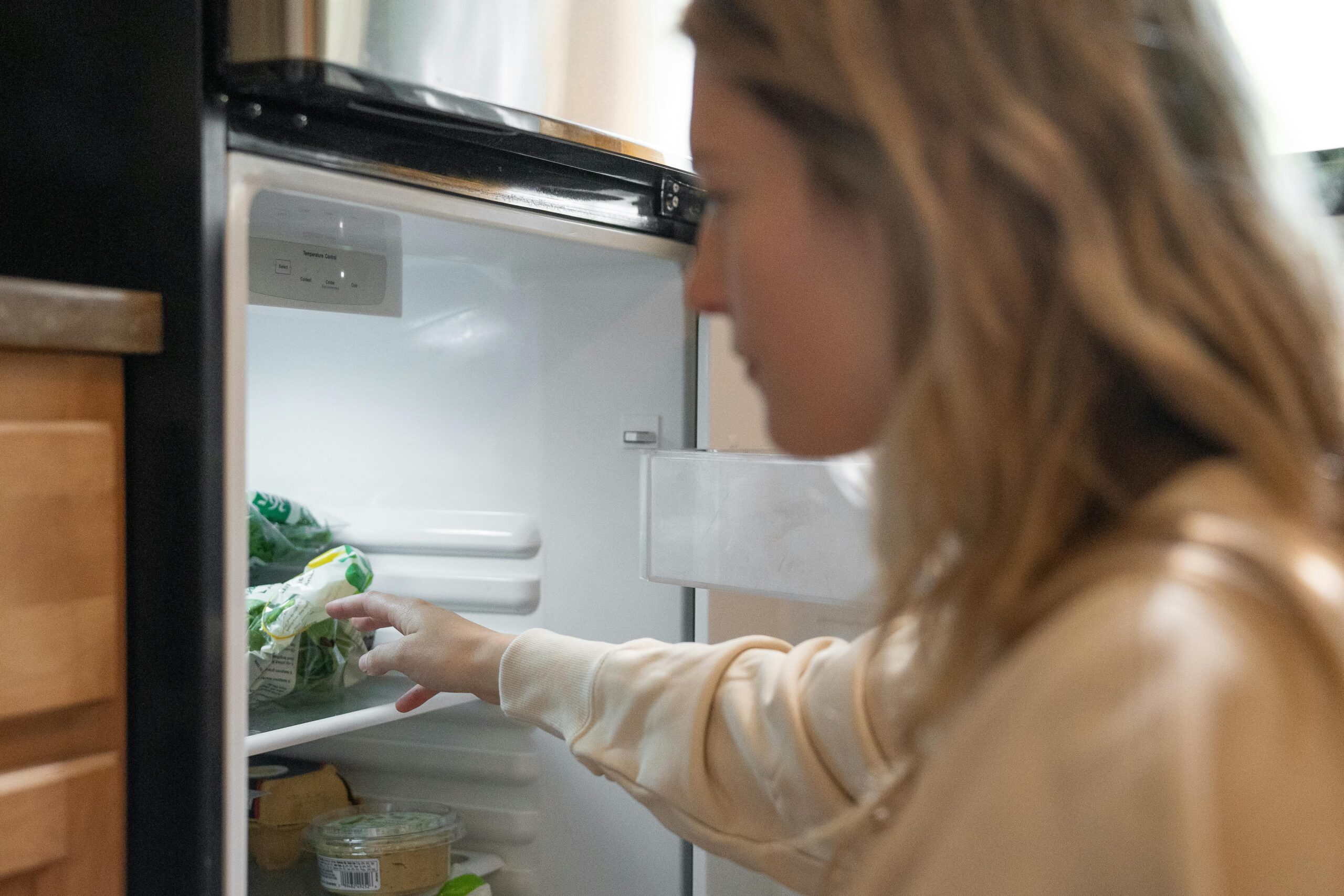
The refrigerator is one of the few appliances in your home that runs 24 hours a day, every day. It quietly keeps your food fresh and safe, but because it’s always on, many people wonder how their daily habits affect its electricity use.
One common question is: Does opening the refrigerator frequently increase electricity use?
The short answer is yes—but usually only slightly. Every time you open the refrigerator door, cold air escapes and warmer air enters. This forces the refrigerator to work a little harder to bring the temperature back down. However, the overall impact depends on how long the door stays open and how often it happens.
In this article, we’ll explore how refrigerators use electricity, how opening the door affects energy consumption, and simple habits that can help your fridge run more efficiently.
How Refrigerators Use Electricity
Refrigerators keep food cold using a system of components that move heat from inside the appliance to the outside environment.
The main parts involved include:
- Compressor: Pumps refrigerant through the system
- Evaporator coils: Absorb heat from inside the fridge
- Condenser coils: Release heat outside the refrigerator
- Thermostat: Regulates internal temperature
When the refrigerator detects that the temperature inside has risen above the set level, the compressor turns on and begins cooling the interior again.
Because refrigerators cycle on and off throughout the day, anything that causes the temperature inside to rise—like opening the door—can trigger additional cooling cycles.
What Happens When You Open the Refrigerator Door
When you open the refrigerator door, cold air escapes quickly and warmer room air enters.
This affects the internal temperature in several ways:
- Cold air leaves the refrigerator
- Warm air replaces it
- The thermostat detects the temperature change
- The compressor activates to cool the interior again
If the door stays open for an extended period, more warm air enters, forcing the refrigerator to work harder to restore the correct temperature.
The freezer compartment can be affected even more because freezing temperatures are much lower than refrigerator temperatures.
Does Frequent Opening Use a Lot of Electricity?
Opening the refrigerator door frequently does increase electricity use, but the effect is usually small unless the door stays open for long periods.
Here’s why.
The refrigerator is designed to handle occasional temperature changes. Modern models are built with insulated walls and efficient compressors that quickly restore the internal temperature.
However, certain behaviors can increase energy use more significantly:
- Leaving the door open while deciding what to eat
- Standing with the fridge open while cooking
- Repeatedly opening the door within short periods
These habits allow more warm air to enter, which requires extra cooling cycles.
How Much Electricity Does a Refrigerator Use?
On average, refrigerators consume between 300 and 800 kilowatt-hours (kWh) per year, depending on their size, efficiency, and age.
Modern energy-efficient models typically use far less electricity than older refrigerators.
To put this into perspective:
- Older refrigerator: 700–800 kWh per year
- Newer energy-efficient model: 300–500 kWh per year
While opening the refrigerator occasionally won’t drastically increase electricity use, consistent habits that allow warm air inside can gradually raise energy consumption.
Factors That Affect Refrigerator Energy Use
Opening the door is only one factor that affects how much electricity a refrigerator uses. Several other factors play a role.
Refrigerator Age
Older refrigerators tend to use more electricity because they lack modern energy-saving technologies.
Temperature Settings
Setting the temperature too low forces the compressor to run more often.
Recommended settings are:
- Refrigerator: 37–40°F (3–4°C)
- Freezer: 0°F (-18°C)
Location in the Kitchen
Refrigerators placed near ovens, dishwashers, or direct sunlight may use more energy because they must work harder to stay cool.
How Full the Refrigerator Is
A moderately full refrigerator actually maintains temperature better because the food inside helps retain cold air.
Simple Habits to Reduce Refrigerator Energy Use
The good news is that small changes in daily habits can help keep your refrigerator running efficiently.
Decide What You Need Before Opening the Door
Planning what you need before opening the refrigerator reduces the amount of time the door stays open.
Keep the Door Closed as Much as Possible
Try to avoid leaving the door open while cooking or preparing meals.
Organize the Refrigerator
When items are easy to find, you can grab what you need quickly without letting too much cold air escape.
Check Door Seals
Loose or worn door seals can allow cold air to leak out continuously. Make sure seals are clean and tight.
Clean the Condenser Coils
Dust and debris on condenser coils can reduce efficiency. Cleaning them periodically helps the refrigerator operate more effectively.
Why Energy Efficiency Still Matters
Although the extra electricity used from briefly opening the refrigerator door is small, energy efficiency still plays an important role in managing household electricity consumption.
Choosing efficient appliances and adopting smart habits can help reduce overall energy use.
Some homeowners also evaluate electricity plans or energy providers when trying to manage costs. For example, tools like cirro energy ratings may help consumers compare energy options and make informed decisions about their household energy use.
Combined with efficient appliances and good daily habits, these choices can contribute to a more energy-conscious home.
Frequently Asked Questions (FAQs)
Does opening the refrigerator door waste electricity?
Yes, but usually only a small amount. The refrigerator must cool the warm air that enters when the door is opened.
Is it bad to leave the refrigerator door open for a long time?
Yes. Leaving the door open allows a large amount of warm air to enter, forcing the refrigerator to run longer to restore the proper temperature.
Do modern refrigerators use less electricity?
Yes. Newer refrigerators are designed with improved insulation and energy-efficient compressors that use less electricity than older models.
Does a full refrigerator save electricity?
A moderately full refrigerator can maintain cold temperatures better than an empty one because the stored food helps retain cold air.
How can I make my refrigerator more energy efficient?
Keeping the door closed, cleaning the coils, organizing food items, and maintaining proper temperature settings can all help improve efficiency.
Does opening the freezer door affect electricity use?
Yes. Freezers operate at lower temperatures, so warm air entering the freezer can require additional energy to restore the proper temperature.
Final Thoughts
Opening the refrigerator door frequently can slightly increase electricity use because warm air enters and the appliance must work to cool it again. However, the impact is generally small when the door is opened briefly and closed quickly.
The biggest energy savings come from efficient appliances, proper temperature settings, and good refrigerator habits. By keeping the door closed as much as possible, organizing food items, and maintaining the appliance properly, you can help your refrigerator run efficiently while keeping your food fresh.
With a few simple habits, households can reduce unnecessary energy use and make everyday appliances work smarter—not harder.
