


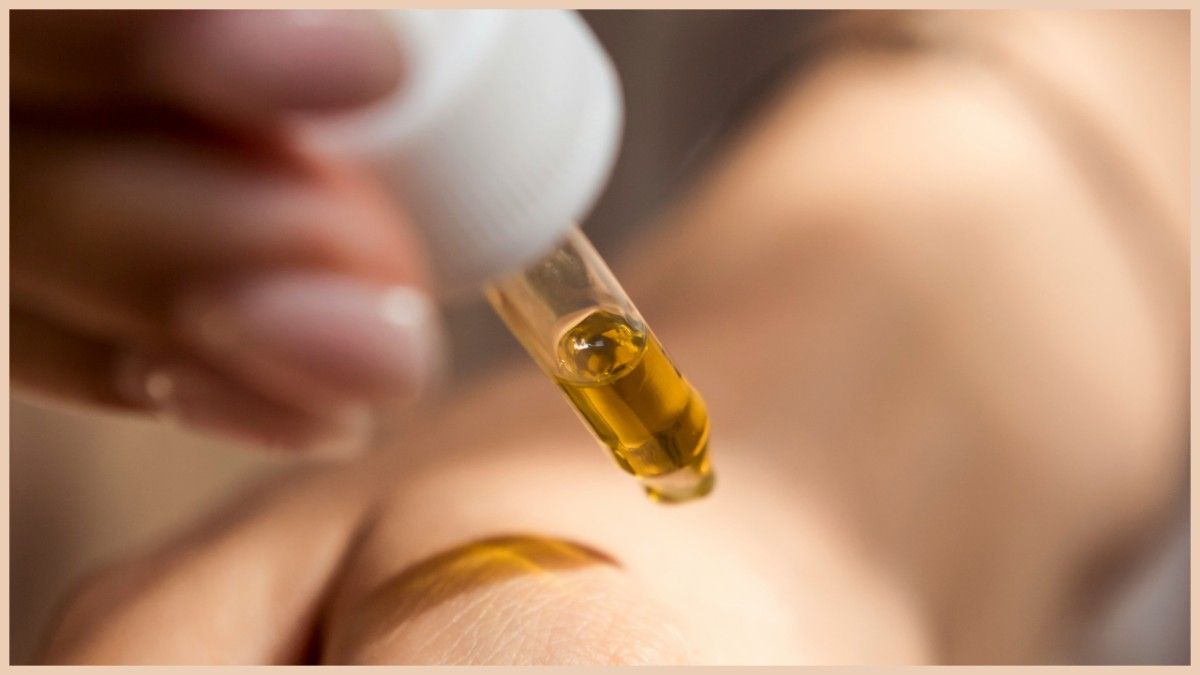
In the pursuit of healthy and glowing skin, many individuals have turned to various skincare solutions. Among them, retinol skin products have emerged as a favoured choice among skincare enthusiasts and dermatologists alike. Known for its dynamic anti-ageing qualities and ability to address multiple skin concerns, retinol is a potent ingredient forming the cornerstone of many skincare regimens.
What is Retinol?
Retinol, a derivative of Vitamin A, is highly revered in the skincare industry for its capability to stimulate collagen production and accelerate cell turnover. This powerful ingredient aids in reducing fine lines, evening out skin tone, and fostering a smoother, more youthful complexion.
The Benefits of Retinol Skin Products
When added to a regular skincare regimen, retinol provides numerous advantages for improving skin health and appearance. It is famed for its anti-ageing properties, helping to diminish wrinkles and enhance skin texture. Moreover, retinol can unclog pores, which can prevent acne outbreaks and promote clearer skin.
Retinol Concentrations and Types
Retinol products are available in various concentrations, typically ranging from 0.25% to 1%. Beginners are often advised to start with lower concentrations to acclimate their skin and gradually increase potency as tolerated. There are also different types of retinoids, such as retinyl palmitate and retinaldehyde, each offering unique benefits tailored to specific skin concerns.
How to Incorporate Retinol into Your Routine
Introducing retinol into a skincare regimen requires some care and consideration. It is advisable to apply retinol products in the evening, initially just a few times a week, allowing skin to adapt. A good practice is to follow retinol application with a moisturiser to minimise potential irritation.
Common Missteps when Using Retinol
One of the most common mistakes when using retinol is applying too much too quickly, which can lead to skin irritation. Users should also be mindful of combining retinol with other potent ingredients like AHA or BHA acids, which can increase sensitivity. It’s important to ensure skin is adequately shielded from the sun, as retinol can increase photosensitivity.
Pairing Retinol with Other Skincare Ingredients
While retinol stands out on its own, it pairs well with certain other skincare ingredients. Hyaluronic acid can be a great ally, offering hydration and enhancing skin comfort following retinol use. Additionally, using antioxidants like Vitamin C in the morning can complement the effects of retinol used during the night.
Potential Side Effects of Retinol
Despite its numerous benefits, retinol can cause side effects, especially when introduced too aggressively. Typical side effects may involve skin dryness, irritation, redness, and mild peeling. However, these symptoms typically subside as the skin acclimates.
Who Should Avoid Retinol?
Retinol is not suitable for everyone. Individuals with extremely sensitive skin or certain skin conditions should avoid retinol unless advised by a dermatologist. Additionally, pregnant or breastfeeding women are often advised to steer clear of retinol due to potential health concerns.
Choosing the Right Retinol Product
When selecting retinol skin products, it is crucial to consider one’s skin type and tolerance levels. Consulting with a skincare professional can aid in making an informed choice, ensuring the product’s efficacy aligns with individual needs.
Retinol Myths Debunked
There are several myths surrounding retinol use, such as it thinning the skin or being unsuitable for acne-prone skin. In reality, when used correctly, retinol strengthens the skin and can be highly effective at reducing acne.
Maximising the Impact of Retinol
To fully harness the benefits of retinol, consistency and patience are key. Users should maintain a regular application schedule and combine it with a well-rounded skincare routine to see optimal results.
Commercial Retinol Products vs. Prescription Strength
Over-the-counter retinol products cater to general skincare needs, whereas prescription-strength retinoids are suited for more severe skin concerns under the guidance of a medical professional. Knowing the difference helps in selecting the right option for one’s skin.
Environment and Retinol: Considerations
Environmental factors such as pollution and climate can influence how skin responds to retinol. It is essential to adjust retinol use in accordance with these external conditions to maintain skin health.
Conclusion
Incorporating retinol skin products into one’s beauty routine can significantly elevate skin health and appearance. With careful selection and mindful application, retinol’s powerful benefits can be maximised, yielding radiant and youthful skin for years to come.
