


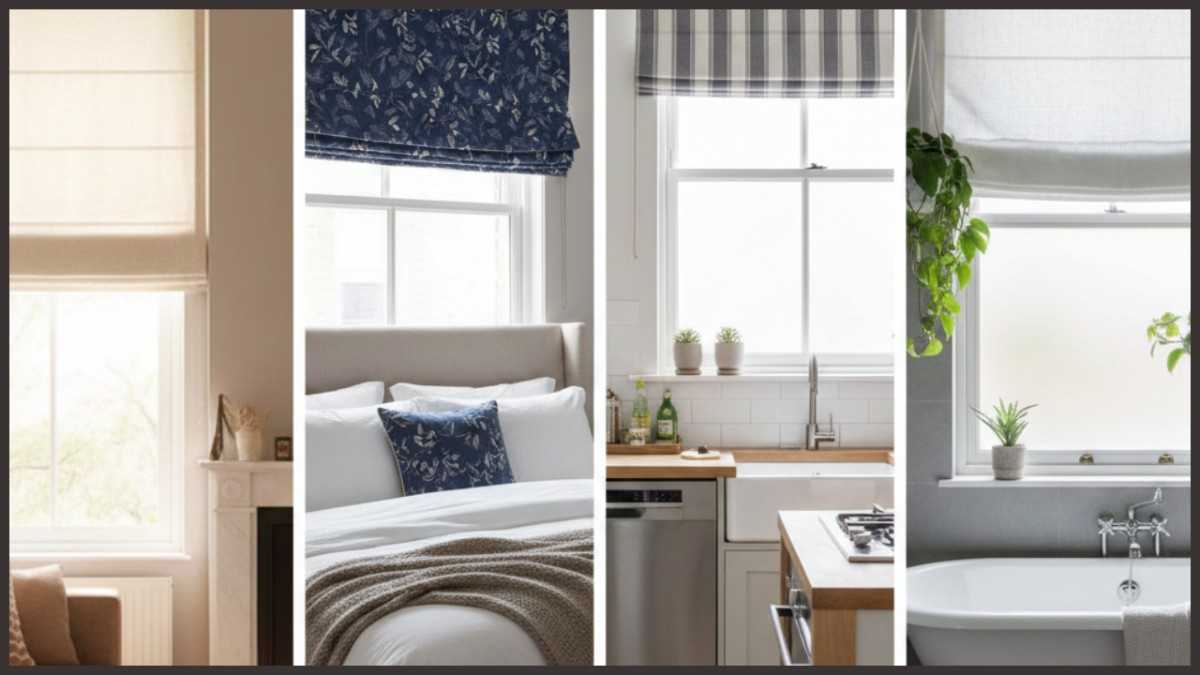
Roman blinds are one of the most elegant and versatile window treatments available. They combine the softness of curtains with the practicality of blinds, making them suitable for a wide range of interiors and lifestyles. However, not every fabric or design works equally well in every room. Choosing the right roman blinds for each space is essential to achieve comfort, functionality and a cohesive aesthetic.
Below, we explain how to select roman blinds for the living room, bedroom, kitchen and bathroom, taking into account light control, privacy and everyday use.
Roman Blinds for the Living Room: Style and Light Control
The living room is a central space in the house where daily activities and family interactions often take place. It is where we relax, entertain guests and spend a large part of our day. For this reason, roman blinds in the living room should strike a balance between design and functionality.
When it comes to fabrics, lightweight to medium-weight materials are usually the best choice. Linen, cotton or blended fabrics allow natural light to filter through while maintaining privacy and creating a warm, welcoming atmosphere. In living rooms with strong sunlight, thicker fabrics or lined roman blinds can help reduce glare and protect furniture from sun damage.
In terms of style, plain roman blinds work particularly well in modern and minimalist interiors, while subtle patterns or textured fabrics can add character to more classic or eclectic spaces. Neutral colours such as beige, soft grey or off-white are timeless and easy to combine, although deeper tones can be used as a statement feature.
For a more refined finish, roman blinds can also be paired with side curtains, enhancing both visual impact and insulation.
Roman Blinds for the Bedroom: Comfort and Privacy
In the bedroom, the main goal is to create a calm and relaxing environment that promotes rest. Roman blinds in this space should therefore prioritise privacy and light control.
Blackout or opaque fabrics are highly recommended, especially in bedrooms that receive morning sunlight. These blinds help block out light, improving sleep quality, and also provide additional thermal and acoustic insulation.
When choosing colours and designs, soft and soothing tones such as sand, warm grey, pale blue or muted green contribute to a peaceful atmosphere. Simple designs are usually more effective than bold patterns, as they avoid visual clutter and help maintain a sense of tranquillity.
Another advantage of roman blinds in the bedroom is their space-saving design, making them ideal for small rooms or windows located close to furniture.
Roman Blinds for the Kitchen: Practical and Durable
The kitchen is one of the most demanding rooms in the house in terms of materials. Roman blinds used here need to be practical, durable and easy to maintain, without compromising on style.
It is essential to choose technical or treated fabrics that are resistant to moisture, stains and odours. Synthetic fabrics or specially treated blends are often more suitable than delicate natural fibres. For windows close to the hob or sink, it is best to avoid designs with excessive folds or volume.
From a design perspective, light colours help maximise natural light and create a clean, fresh feel, while subtle patterns can add personality without overwhelming the space. Flat roman blinds are often the most practical option for kitchens due to their streamlined appearance.
Installation also plays an important role. Fitting the blind inside the window recess helps keep worktops clear and improves the overall functionality of the kitchen.
Roman Blinds for the Bathroom: Privacy with a Decorative Touch
Although they are less commonly considered, roman blinds can be an excellent window treatment for bathrooms when chosen correctly.
In this room, moisture resistance is the top priority. Fabrics designed specifically for humid environments or treated to prevent mould and mildew are essential to ensure durability and hygiene.
Regarding opacity, sheer or translucent fabrics are ideal. They allow natural light to enter while maintaining the level of privacy required in a bathroom. This is particularly beneficial in smaller bathrooms, where light helps create a sense of space.
From an aesthetic point of view, light and neutral shades enhance the feeling of cleanliness and brightness, while subtle textures can add visual interest without detracting from the room’s functionality.
Conclusion
Roman blinds are a highly versatile window solution that can be adapted to every room in the home when selected with care. From the elegance of the living room to the practicality of the kitchen and the privacy of the bathroom, choosing the right fabric, design and installation method makes all the difference.
Investing in well-chosen roman blinds not only enhances the overall look of your interior but also improves comfort and functionality in everyday living.
