

Understanding the circular economy is vital for sustainable development, as it focuses on reducing waste and conserving resources. Effective waste management practices are crucial in moving from linear consumption models to sustainable cycles. By examining innovative approaches and addressing challenges, we can unlock waste management’s potential for a greener future.
In exploring the concept of a circular economy, you recognise its importance in redefining sustainability. Unlike traditional linear models, where resources are used and discarded, the circular approach aims to keep materials in use for as long as possible. This transition is increasingly important as environmental concerns grow. The shift requires significant changes in waste management practices, moving beyond disposal towards reduction, reuse, and recycling. By embracing this model, you contribute to minimising environmental impact and conserving valuable resources. TW Services often highlights how effective waste management can support this transformation.
Understanding circular economy principles
The circular economy challenges the traditional “take-make-dispose” model by promoting closed-loop systems. This approach emphasises minimising waste and maximising resource efficiency through recycling, reuse, and refurbishment. For many, adopting these principles means considering the entire lifecycle of products, encouraging innovation in design and production processes.
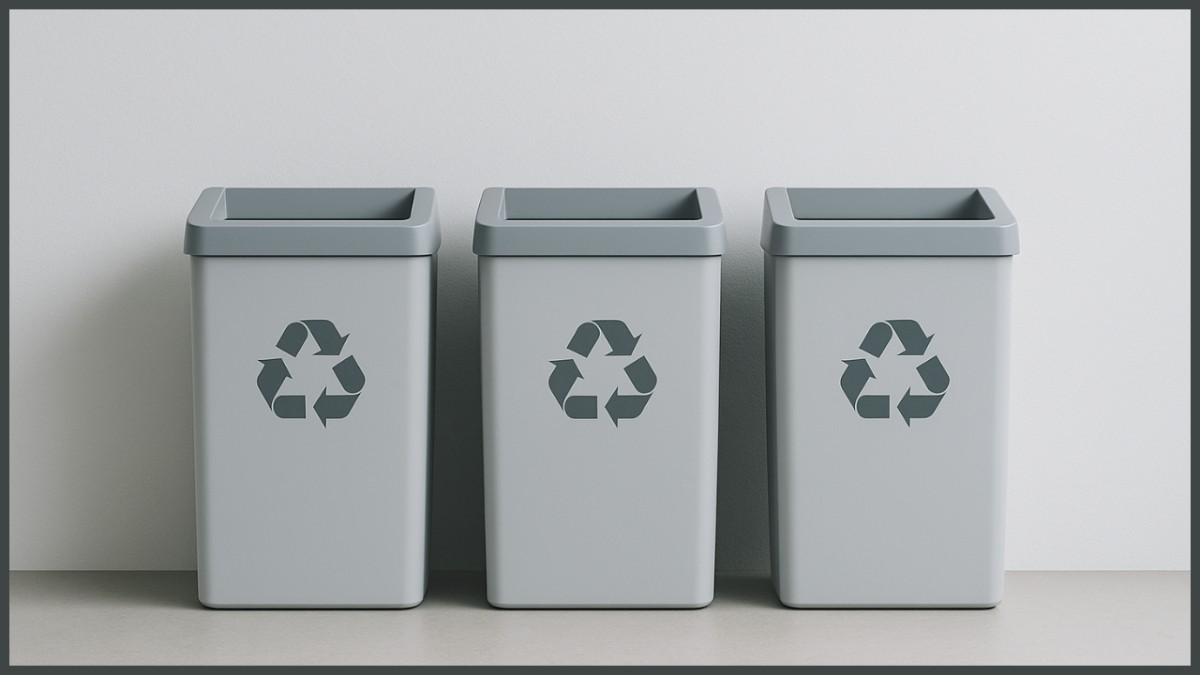
Transitioning to a circular model involves rethinking how waste is managed. Recycling plays a pivotal role by converting waste materials into new products, reducing the need for virgin resources. Similarly, waste reduction strategies focus on designing products that generate less waste at the end of their lifecycle. By integrating these practices, you help conserve resources and support sustainability goals.
Innovative waste management practices
Recent advancements in waste management technologies have significantly enhanced efficiency and sustainability. Innovations such as smart sorting systems and advanced recycling techniques are transforming how industries manage their waste streams. By adopting these technologies, businesses can improve resource recovery rates and reduce landfill dependency.
Across various sectors, these innovations are being implemented to optimise waste management processes. For example, some companies use artificial intelligence to identify recyclable materials more accurately, improving sorting accuracy and reducing contamination rates. These efforts demonstrate how technology-driven solutions can advance sustainable practices within the industry.
Challenges and opportunities in sustainable waste management
While integrating waste management into a circular economy presents numerous benefits, several challenges persist. Implementing new systems often requires significant investment and coordination among stakeholders. Additionally, regulatory frameworks may need updating to support innovative practices effectively.
Despite these challenges, there are ample opportunities for businesses and communities to engage in sustainable waste practices. Embracing collaborative efforts can lead to shared knowledge and resources, fostering innovation in the sector. By proactively addressing these challenges and seizing opportunities, you contribute to building a more sustainable future.
