


A garden or outdoor space is the most important part of any home. It is not only used to relax or host gatherings but also serves as a practical space for storing equipment, tools, and even vehicles. Therefore, organising this space properly is crucial to ensure that everything is easy to access and stays in good condition.
Exposure to weather, theft, and improper storage can shorten the life of your items, leading to unnecessary expenses and frustration. In this article, we will explore the best strategies for safeguarding your equipment and help you make small adjustments that have long-term benefits.
Choose the Right Storage Solution
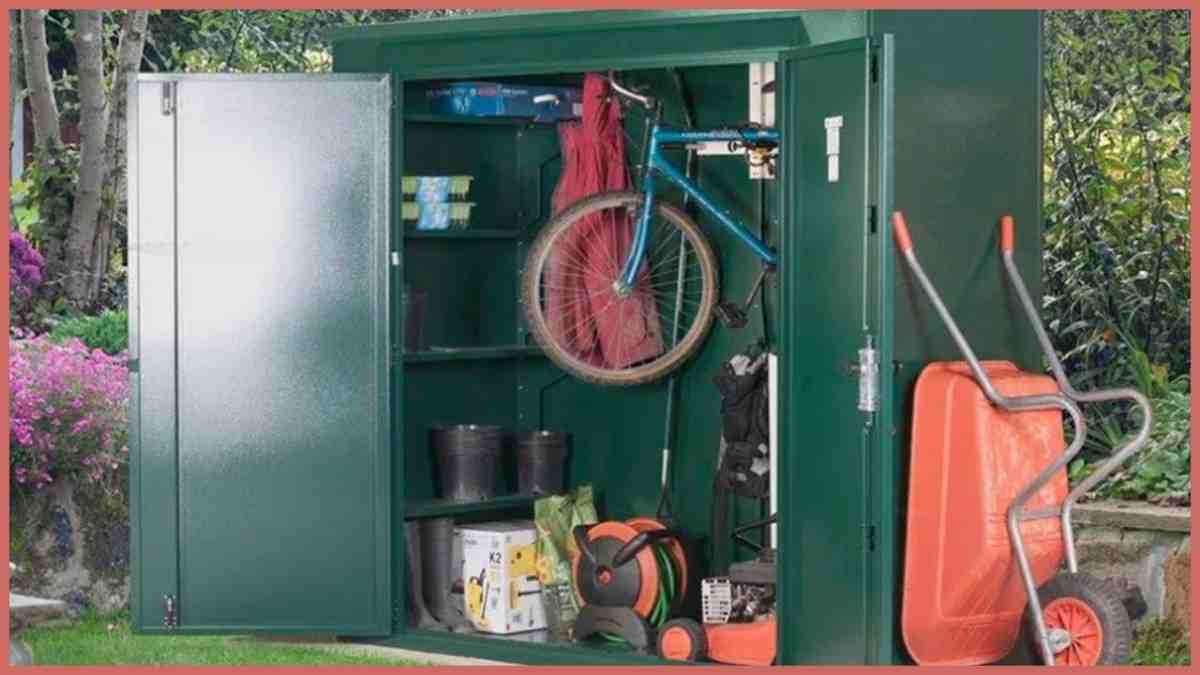
One of the most important steps in protecting your outdoor items is selecting a suitable storage solution. A well-built shed can make a significant difference in keeping your equipment safe from harsh weather and accidental damage. For example, Asgard sheds are designed to offer secure, durable storage that resists water and wind.
By storing tools, lawnmowers, or garden furniture inside a proper shed, you shield them from rain, frost, and direct sunlight. It prevents rusting, warping, and fading, while also keeping the area organised.
Keep Equipment Clean and Dry
Cleaning your items regularly helps prevent the buildup of dirt, mud, and moisture that can damage them over time. After using tools, bikes, or outdoor furniture, make sure to wipe them down and remove any debris. Moisture left on metal surfaces can cause rust, while organic material like leaves or grass can trap water and accelerate decay.
Drying your equipment thoroughly before storage is vital, especially after rain or snow. It can reduce the risk of long-term damage significantly, keeping your belongings in good working condition.
Apply Protective Coatings
Adding protective coatings to your equipment can extend its lifespan. For metal surfaces, anti-rust sprays or paint provide a barrier against moisture and oxidation. Wooden items benefit from sealants or varnish, which prevent water from soaking in and causing swelling or cracking. Plastic equipment can also be treated with UV-resistant sprays to reduce fading caused by sunlight.
Regularly checking and maintaining these protective layers ensures your items remain shielded. It strengthens the resistance of your outdoor equipment against natural elements, making sure that they continue performing well season after season.
Store Equipment Off the Ground
Placing equipment directly on the ground exposes it to moisture and pests, which can cause significant damage over time. Elevating items on racks, shelves, or pallets keeps them off wet surfaces and improves airflow, helping to prevent rust or rot. This is especially important for tools, garden machinery, and sports gear that have metal parts.
Keeping equipment raised also reduces the chance of accidental water pooling around them during rain. It ensures everything stays dry, clean, and accessible, preventing unnecessary wear caused by damp surfaces.
Use Covers and Tarpaulins
Protective covers are an easy way to safeguard outdoor equipment when storage space is limited or items are left outside temporarily. Tarpaulins, fitted covers, and weather-resistant fabric shields prevent rain, dust, and sunlight from reaching your belongings.
For example, bikes or furniture stored in a garden can be fully covered to avoid water damage and fading. It also protects from bird droppings, leaves, and debris that could scratch or stain surfaces. Selecting the right size and quality of cover is essential.
Regular Maintenance Checks
Routine inspections play a crucial role in keeping outdoor items in good condition. Check for loose screws, rust spots, or cracks in handles and frames. Early detection of small problems allows you to fix them before they become serious. For example, oiling moving parts on tools and bikes reduces friction and prevents breakdowns.
Keeping an eye on your equipment also helps you monitor wear and tear caused by weather exposure. It ensures proper functionality and safety, extending the lifespan of your belongings.
Protect from Extreme Weather
Outdoor equipment is often exposed to sun, rain, wind, and frost, all of which can cause damage over time. During winter, freezing temperatures can crack plastic or wooden components, while intense sun can fade colours and weaken materials. Wind can knock over items and cause scratches or dents. So, planning for seasonal protection is essential.
Move sensitive equipment indoors when possible or invest in weatherproof shelters. Taking preventive steps like wrapping, covering, or relocating items during extreme conditions can also help maintain their quality and prevent expensive repairs or replacements in the future.
Invest in Quality Storage Solutions
Investing in high-quality, purpose-built storage units is the best way to ensure the long-term protection of your outdoor equipment. A dedicated solution, such as an Asgard metal bike shed, offers secure, weather-resistant space designed specifically for bikes and other valuable items. These units provide robust construction that withstands harsh conditions, keeps your gear dry, and prevents theft.
Using a professional-grade shed ensures that all your outdoor equipment has a safe and organised home, reducing the risk of damage, rust, and loss.
In a Nutshell
By following all these practical tips, you can easily safeguard your outdoor equipment and enhance its longevity. It will also keep your outdoor area well organised, safe, and clean for children and pets to play and relax.
