



The path toward personal development begins long before you are aware of it. However, as you start to engage with your deeper patterns, you reach a point where self-will, on its own, no longer feels enough.
This is where the 7th Step Prayer, best known from recovery traditions, becomes especially meaningful. The prayer, which stems from a place of humility and surrender, asks the individual to let go of their weaknesses and to be guided by something greater than themselves. One doesn’t have to be in recovery to relate to its lessons; it offers guidance for anyone seeking to be more grounded, more purposefully conscious, and kinder.
As your lives become busier, the values behind the 7th Step Prayer can offer an antidote to pressure and self-accusation. If a person ensures that the precepts are incorporated into their daily routine, they will, over time, cultivate emotional balance, spiritual awareness, and greater inner peace.
With this in mind, the following guide explores how you might use the 7th Step Prayer in daily life.
1. Understand Heart of 7th Step Prayer
The 7th Step Prayer is meant to ask for a change in character. Instead of wishing for issues to disappear, it urges you to work on yourself and gain the strength to resolve any problem. This simple strategy is powerful because it changes the focus from perfection to progress.
Moreover, prayer makes you feel a sense of oneness with a Higher Power, however you choose to define that relationship.
Also, it creates the belief that you continue to grow, even after working the Steps. This prayer reminds you that as long as people are willing to change and take action to make that change, they can keep making progress toward a better change.
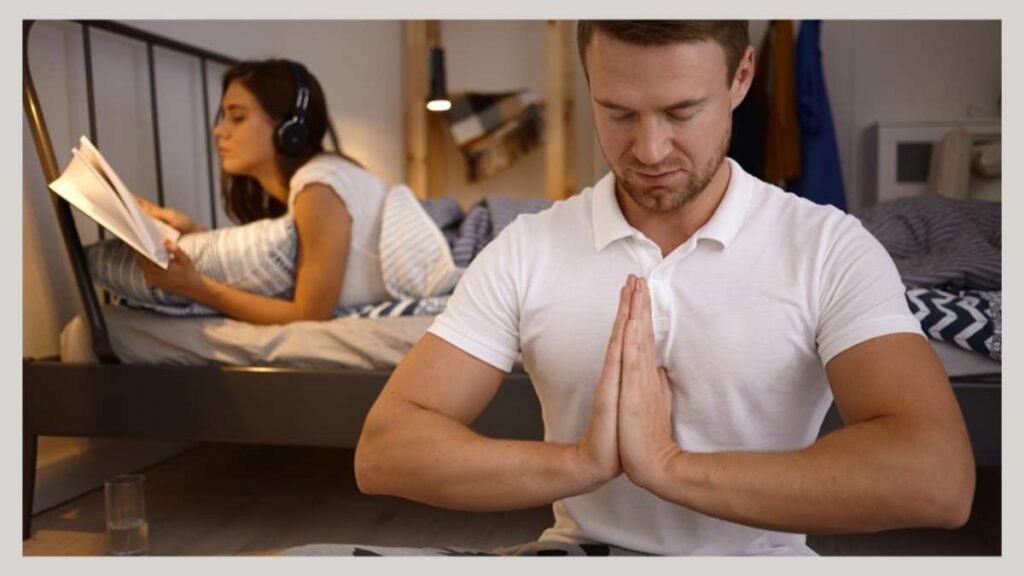
2. Integrate Prayer Into Your Morning Routine
The 7th Step Prayer in the early part of the day sets an emotional and spiritual tone. When you take a moment before jumping into your responsibilities, you give yourself a chance to remember what is important to you. For example, you may reflect on something you want to strengthen, like your patience, honesty, or kindness. At the same time, notice what you want to let go of, like anger, fear, or selfishness.
Moreover, this activity helps you connect with your mind. It makes you feel purposeful each day and shows you don’t have to face challenges alone. Trying to react instead of responding to an overwhelming situation is not the right option unless you start your day with surrender.

3. Use Prayer as Tool for Emotional Regulation
The 7th Step Prayer can be a helpful tool at other times throughout the day when you are in a tough spot. Whenever you feel frustrated, angry, or anxious, close your eyes and recite the prayer to break this pattern. The prayer asks you to give up your defects, thereby redirecting you to your better self.
Furthermore, this way helps you to own your feelings. Don’t blame your environment or other people, but instead, look at your own attitudes and reactions.
The prayer makes you think before you act, and it teaches you to slow down and breathe. It helps you become aware and enables you to make better choices. Therefore, if you practice the prayer when emotions run high, it can work as an emotional regulator.
4. Apply Principles in Relationships
The 7th Step Prayer can certainly affect how you deal with others. Relationships test your patience, empathy, and communication skills. You can significantly improve harmony by intentionally removing a character defect such as defensiveness, judgment, or irritability.
Doing the prayer each day helps you notice more when the ego disrupts the connection. As you beg for assistance in developing better attributes, you learn to listen more openly, speak more gently, and act more respectfully. As time goes on, they can strengthen bonds, reduce conflict, and build deeper connections.
5. Implement Prayer at Work and in Public Spaces
Prayer is not confined to sacred spaces, as it can help you act appropriately in professional & social settings. For instance, if you have trouble with your patience during busy workdays, the principles of the prayer could serve as a reminder to approach your job with calm steadiness.
By the same token, if pride or competitiveness affect your decisions at all, then giving up these qualities allows you to work together.
Practicing humility in public or professional settings does not entail weakening your authority. It means guiding with sincerity, honesty, and value. You are effectively modeling emotional maturity and contributing to a more positive environment for those around you.

6. Reflect Each Night to Reinforce Consistency
Making an end-of-day reflection further amplifies the power of these prayers. In the evening, you can review the moments that tested your patience and see where you were patient and where you were not. This kind of self-awareness or self-examination links intention and behaviour.
Additionally, nighttime reflection promotes ongoing growth. When you see victories and recognize shortcomings, you further commit to change. If done consistently, this last step turns the prayer into a mindset you maintain for life.
Conclusion
In the end, the 7th Step Prayer becomes an essential way of living, no longer simply words for those who embrace it. The prayer calls for genuine personal transformation through humility, intentionality, and a willingness to let go of non-serving elements.
Also, incorporating them into your morning practices, emotions, relationships, and work makes them practical and brings about substantial transformation.
