


Remote and demanding industrial operations face a unique energy challenge. How to deliver reliable, cost-effective power in locations far from grid infrastructure while managing fuel logistics, environmental regulations, and operational efficiency. For decades, diesel generators served as the default solutions for mining operations, oil and gas facilities, and construction sites. However, the emergence of diesel–ESS (Energy Storage System) hybrid solutions is fundamentally changing the economics and environmental footprint of off-grid industrial power.
At HIITIO, we’ve worked extensively with companies across. These sectors to implement hybrid power systems that combine diesel reliability with battery storage intelligence. The results consistently demonstrate dramatic improvements in fuel efficiency, operational costs, and emissions reduction. As industries face mounting pressure to reduce carbon footprints while maintaining productivity in challenging environments. Diesel–ESS solutions represent not just an incremental improvement but a transformative shift in how remote operations are powered.
The Unique Power Demands of Heavy Industry
Mining operations, oil and gas facilities, and construction sites share several critical power requirements that make them ideal candidates for hybrid diesel–ESS solutions:
- Load variability: Heavy machinery creates extreme demand fluctuations. From crushers and conveyor systems cycling on and off to drilling equipment with intermittent high-power requirements
- Remote locations: Sites often operate hundreds of kilometers from grid connections. Making diesel fuel transportation a significant logistical and financial burden
- Reliability requirements: Production downtime can cost tens of thousands of dollars per hour. Demanding power systems with exceptional uptime and rapid response capabilities
- Scalability needs: Operations expand and contract based on project phases. Requiring flexible power solutions that can adapt without massive infrastructure investments
- Environmental regulations: Increasingly stringent emissions standards and corporate sustainability commitments drive the need for cleaner power alternatives
Traditional diesel-only systems struggle with these requirements, particularly the load variability challenge. Running multiple generators to handle peak loads means units often operate at 30-50% capacity during normal operations. The least efficient operating range for diesel engines. This results in excessive fuel consumption, increased maintenance requirements, and premature engine wear.
How Diesel–ESS Hybrid Systems Transform Industrial Operations
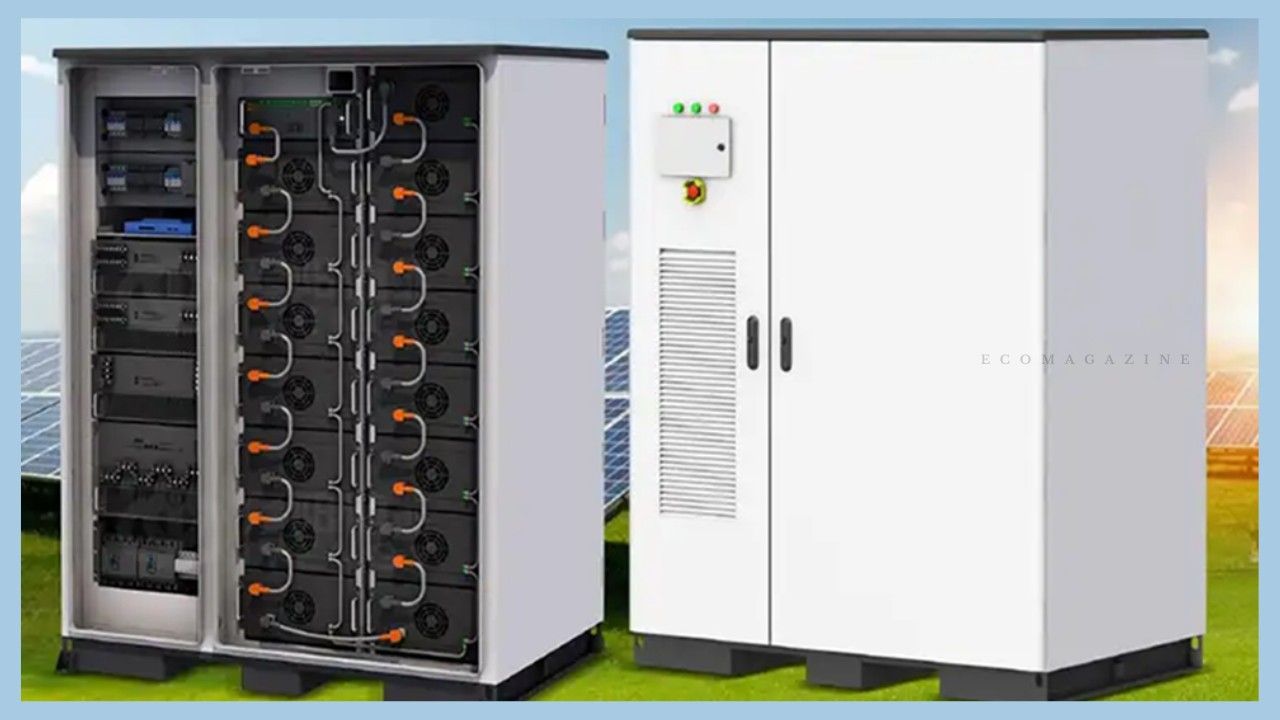
The integration of industrial and commercial ESS with diesel generators creates an intelligent power platform specifically designed for the demands of heavy industry. These systems leverage battery storage to smooth load peaks, optimize generator operation, and provide instant power response that traditional generators cannot match. The batteries handle rapid load fluctuations and peak demands. Allowing diesel generators to run at steady, efficient output levels where fuel consumption per kilowatt-hour is minimized.
Modern solar-diesel-ESS solutions add another dimension to this capability, incorporating renewable energy generation that further reduces diesel dependency. In remote locations with excellent solar resources—which describes many mining and oil & gas sites—solar integration can offset 20-40% of total energy requirements, dramatically reducing fuel transportation needs and associated costs.
Mining Operations: Powering Productivity Underground and Above
Mining operations present some of the most challenging power scenarios in industrial settings. Underground operations require consistent, reliable power for ventilation systems, lighting, and extraction equipment where any interruption poses safety risks. Surface operations involve massive machinery—haul trucks, excavators, crushers, and processing facilities—each with distinct load profiles.
Diesel–ESS solutions address these challenges through several key mechanisms:
The battery system acts as a power buffer, absorbing the massive startup currents required by large motors without forcing diesel generators to oversize or surge. This allows mining operations to utilize smaller, more efficient generator sets while still meeting peak power demands. During crusher operation, for example, the initial startup might draw 300-400% of running current for several seconds—a demand that would require oversized generators in traditional configurations but is easily handled by battery systems that can deliver high power outputs instantaneously.
Fuel logistics represent a major cost center for remote mining operations. Diesel–ESS systems typically reduce fuel consumption by 35-50% compared to diesel-only configurations. Translating directly to fewer fuel deliveries and lower transportation costs. For a medium-sized mining operation consuming 500,000 liters of diesel annually, hybrid systems can eliminate 175,000-250,000 liters of consumption. Representing hundreds of thousands of dollars in direct savings plus reduced logistics complexity.
Oil & Gas Applications: Reliability in Extreme Environments
Oil and gas operations, from remote drilling sites to midstream processing facilities, operate in some of the world’s harshest environments. Whether in Arctic conditions, desert heat, or offshore platforms, power systems must deliver unwavering reliability. While managing extreme temperature variations and challenging logistics.
Diesel–ESS solutions excel in these environments through several advantages:
- Cold weather performance: Battery systems can be temperature-controlled far more efficiently than maintaining multiple diesel generators in cold-start readiness. Reducing the parasitic loads that can consume 10-15% of generated power in extreme cold
- Reduced generator cycling: Frequent starts and stops dramatically increase wear on diesel engines, particularly in cold conditions. Hybrid systems minimize cycling by leveraging batteries for variable loads
- Emissions compliance: Flaring regulations and emissions limits increasingly restrict diesel generator operation. Battery storage allows sites to reduce generator runtime while maintaining operational capability
- Equipment longevity: Operating generators at optimal load points rather than highly variable loads extends engine life, reducing capital replacement costs and maintenance downtime
For drilling operations, the benefits are particularly pronounced. Drilling creates highly cyclical loads as the drill advances, pulls back, and changes components. Diesel–ESS systems smooth these cycles, maintaining steady generator operation while batteries handle the power variations, resulting in fuel savings of 40-60% compared to diesel-only drilling rigs.
Construction Sites: Mobile Power Solutions
Construction projects present unique challenges: temporary power needs, changing site layouts, phased operations, and eventual demobilization. Diesel–ESS solutions for construction offer flexibility that matches project dynamics:
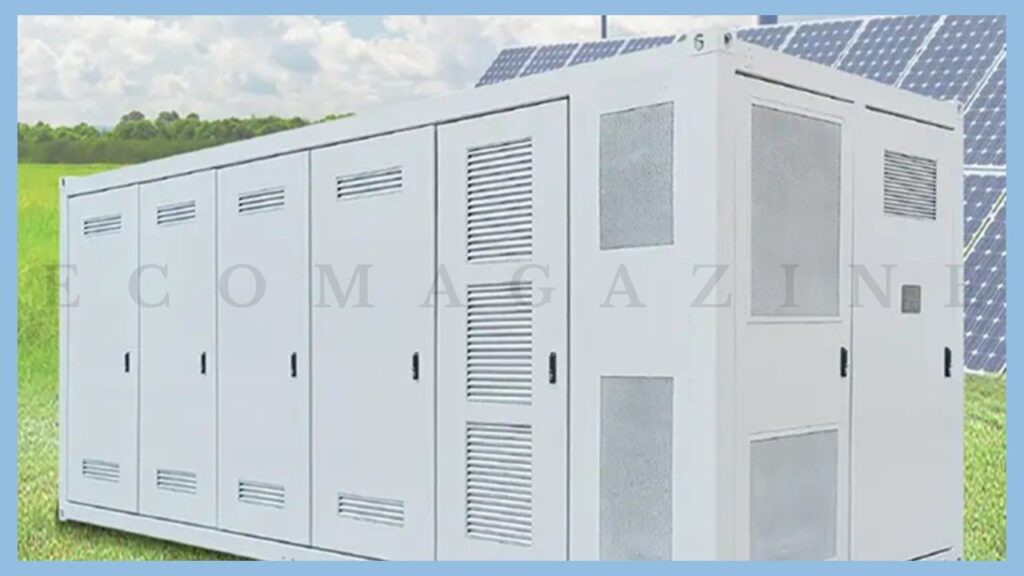
Modular, containerized hybrid systems can be deployed rapidly, scaled to match project phases, and relocated as work areas shift. The reduced fuel consumption translates directly to lower operating costs—critical for projects operating on tight margins. For urban construction sites, the reduced noise and emissions from fewer generator operating hours addresses community relations and regulatory compliance, often determining project feasibility in dense areas.
Implementation Considerations and ROI
While diesel–ESS systems require higher upfront capital investment than diesel-only solutions, the return on investment typically materializes within 2-4 years through fuel savings, reduced maintenance, and extended equipment life. Key factors that accelerate ROI include:
- High fuel costs or difficult logistics (remote locations, challenging terrain)
- Operations with highly variable loads where traditional systems operate inefficiently
- Long project durations where cumulative fuel savings compound
- Sites with renewable energy potential where solar integration further reduces diesel dependency
- Regulatory environments with emissions penalties or renewable energy incentives
The HIITIO Advantage
At HIITIO, we understand that electrical components in industrial hybrid systems must withstand extreme conditions while delivering precise control. Our switchgear, power distribution units, and control systems are built to meet the tough requirements of mining, oil and gas, and construction environments, offering reliable performance against dust, vibration, and extreme temperatures.
The transformation of remote industrial power is accelerating. Diesel–ESS hybrid solutions deliver measurable improvements in operating costs, environmental impact, and system reliability. For operations in mining, oil & gas, and construction, the question is no longer whether to adopt hybrid power but how quickly to implement it to capture competitive advantages.
