


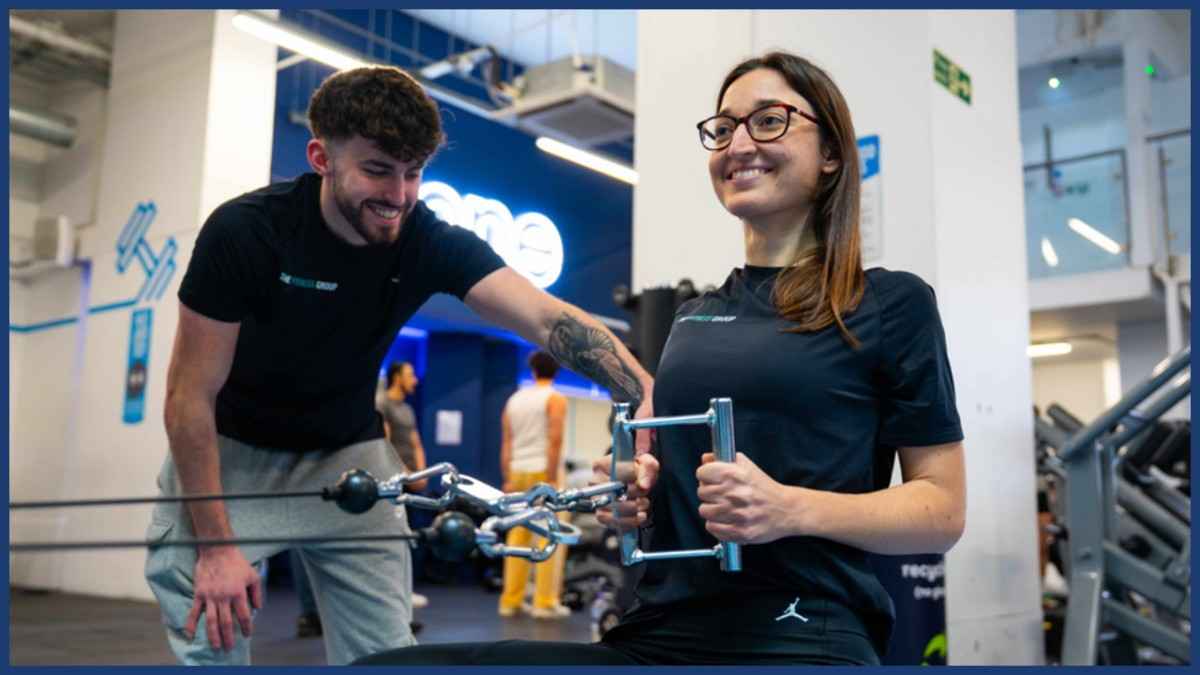
Until relatively recently, personal training was often thought of as a run-of-the-mill, straightforward profession. It was seen as a job where you kept an eye on people using gym equipment. Where you counted reps and kept clients motivated between sets. Enthusiasm and personality were key (and of course, you needed to be in excellent physical condition). But formal education might not have been expected. While that description may be harsh, the profession has changed beyond recognition in recent years.
Personal training has evolved far beyond basic gym instruction to a sophisticated, knowledge-based profession. Trainers now need to have a full understanding of anatomy and be able to design programmes based on individual fitness levels while taking into account health conditions and injuries. Critically, the role has shifted from short-term motivation to long-term holistic planning and accountability. It is no longer a job for an enthusiastic amateur. And while the role has become more demanding, it has also grown rapidly. Opening the door to genuine career opportunities for people prepared to train properly and work professionally. Here’s the lowdown:
Changing expectations
Across the UK labour market. There have been wide-ranging structural changes in the way people work and indeed, want to work. As is well known, the pandemic dramatically reshaped working patterns towards hybrid and home-working. But it accelerated a demand that already existed. A landmark survey from 2019 revealed that 68% of UK employees who did not have access to any flexible working arrangements wanted to have them. And these demands were being increasingly met, with around 12% of the UK workforce reported working from home at least one day a week in 2019. Hybrid and flexible work patterns are now the norm, reflecting workers’ desire for greater control over hours, location and work-life balance.
The rise of the gig economy
The shift in working preferences and habits of the UK labour force is underscored by the number of people undertaking “gig” work. These roles are paid by output rather than hours worked. An estimated 1.7 million people now engage in gig work, often alongside other employment. Highlighting how many workers value flexibility over fixed schedules.
The appeal of self-employment
The structure of employment in the UK is also evolving. Although overall employment figures continue to fluctuate, patterns beneath the headline numbers indicate growing participation in careers beyond standard employee positions. Self-employment, freelancing and portfolio careers are very much in vogue – often driven by lifestyle preferences, caregiving responsibilities and the pursuit of purpose-aligned work.
Why personal training fits the modern world of work
These trends explain why personal training has emerged as such an attractive career opportunity. The role ticks all the above boxes. It allows individuals to work flexibly and autonomously. They decide when, where and how they work in a way traditional jobs simply don’t permit. Work can be based around outcomes – client programmes, sessions, and of course, results – as opposed to fixed hours. Personal training also offers a more skilled and structured form of self-employment, underpinned by clear professional standards and recognised qualifications.
Demand across the UK
Demand for personal training has never been so high in the UK. Partly because more people are members of a gym than ever before, but also because of another behaviour shift. People now want more than just access to facilities when they join a gym. They now look for personalised, structured support designed to deliver results through long-term, holistic programmes. As a result, demand for trainers is now outpacing supply. And this isn’t confined to traditional gyms. Boutique studios, private training spaces and corporate wellbeing programmes are opening at a rate of knots, while the coaching opportunities afforded by the internet have been a game-changer for many trainers.
From enthusiasm to professional standards
For decades, people fell into the fitness industry simply because they loved the gym environment and spent so much time there that they began to instruct others. Many trainers built a client base through enthusiasm and charisma alone. But while that worked for some, clients are more informed about health and wellness than ever before. As a result, their expectations of personal trainers have increased dramatically. They need to demonstrate competence, knowledge and consistency in today’s fitness world. Employers now require recognised qualifications, and insurers typically refuse cover unless training meets accredited standards.
As a result, personal training has transformed into a more clearly defined profession. Agreed standards have improved credibility and made it easier for new entrants to see fitness as a viable long-term career rather than casual work.
Qualifications are essential
There are many opportunities for specialisation in personal training; strength and conditioning, rehabilitation, cardio, yoga and Pilates, nutrition, to name but a few. But regardless of the path chosen, recognised qualifications are no longer optional. In the UK, Level 2 Gym Instructor and Level 3 Personal Trainer qualifications form the professional starting point for anyone entering the industry.
Accredited training ensures trainers understand how the body works, how to design exercise programmes safely, and how to adapt sessions for different abilities and needs. It also ensures trainers meet legal and insurance requirements, which protects both clients and professionals. If you wish to forge a career in this growing industry, then QFQUAL-accredited personal trainer courses are essential. With a leading provider like The Fitness Group, entrants can get the qualifications they need to begin working independently in as little as 8-12 weeks.
Building a sustainable career
Sounds good? If you love fitness, are sick of the 9-5 grind and are willing to invest in the training you need, personal training is so much more than a job. It provides the freedom to build a career around expertise, purpose and flexibility, while making a lasting difference to people’s health and confidence. In a sector that continues to grow and evolve, it represents a career shaped by skill, autonomy and long-term opportunity.
