


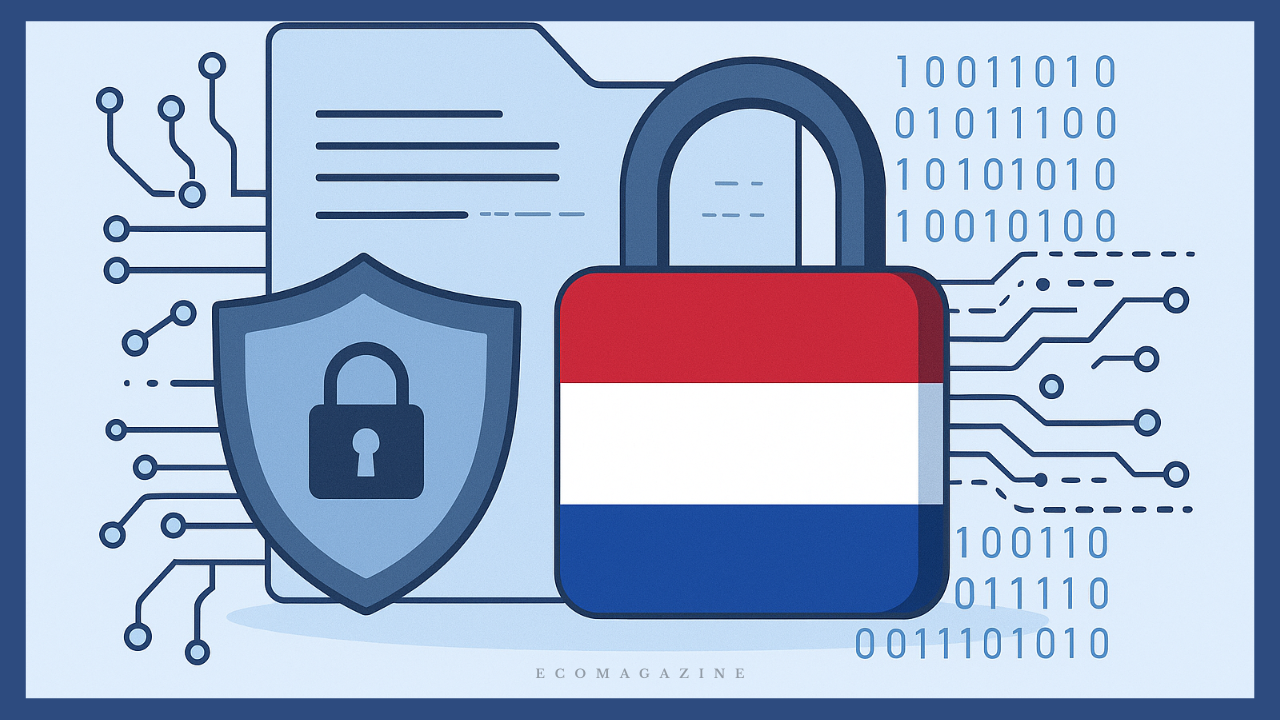
Hosting in the Netherlands carries a certain reputation that draws businesses, developers, and digital service providers from across Europe and beyond. The country has built an identity rooted in reliability, strong network stability, and a legal environment that treats data protection as a serious responsibility rather than a checkbox. Companies looking for a stable place to run applications or store information often notice that Dutch laws shape how providers operate in ways that feel structured and predictable.
As soon as people start comparing hosting regions, they usually encounter references to how a netherlands vps server aligns with strict European privacy expectations. These expectations did not appear by accident. They grew from a long-standing commitment to digital rights, transparent legal systems, and regulatory bodies that actively enforce standards. Anyone hosting data in the Netherlands benefits from this foundation, but understanding how these rules work helps users make smarter decisions about privacy and compliance.
Why privacy laws carry so much weight in the Netherlands
The Dutch approach to data protection reflects a broader European philosophy that treats personal information as something people should control. This principle sits at the center of the GDPR, the primary law governing data privacy across the European Union. Since the Netherlands is part of the EU, GDPR applies directly, influencing how hosting providers handle storage, processing, access requests, and breach notifications.
Dutch authorities take GDPR compliance seriously. The country’s supervisory body, Autoriteit Persoonsgegevens, has a history of active enforcement and clear communication with businesses. Rather than leaving companies guessing, it often outlines expectations and issues guidance on how organizations should treat sensitive information. VPS users who want a predictable privacy environment often view this as a major benefit.
Data residency and why it matters for VPS users
When hosting in the Netherlands, data typically resides within Dutch borders unless the user intentionally connects it to international services. This matters because GDPR applies fully to the information stored inside the country. Many companies choose Dutch hosting specifically to keep their data within the EU, avoiding complicated cross-border legal challenges.
Data residency also affects how providers structure their systems. Dutch data centers usually have strict access controls, detailed auditing procedures, and clear policies for how logs are handled. This consistency is valuable for companies building long-term operations that require clarity about where data goes and how it is treated internally.
How privacy rules influence VPS configurations
Privacy regulations do not just shape policies; they also influence the technical layers of hosting. Many Dutch VPS providers use storage systems that support encryption, controlled-access virtualization tools, and network structures designed to prevent unauthorized access. The focus on privacy encourages providers to adopt well-established security practices as a baseline.
At the VPS level, users benefit from having control over access keys, firewalls, and data backups. Dutch regulations encourage transparency, meaning providers must clearly define what part of the infrastructure they control and what part the user manages. This separation helps VPS customers design systems that meet their own compliance obligations without sacrificing performance.
Dutch transparency culture strengthens trust
Businesses often mention that the Netherlands feels predictable in how it handles data, and this predictability comes from a culture of transparency. Dutch organizations tend to document their processes clearly, provide upfront information about how data is stored, and maintain strict change-control practices. This makes the hosting environment feel stable and reduces uncertainty for companies operating across borders.
In this context, transparency reduces risk. When a provider outlines how information flows through its systems, users can identify potential issues or confirm compliance with internal standards. This openness builds trust between hosting companies and customers, especially for businesses handling sensitive or regulated data.
Comparing privacy focus with international hosting regions
As companies review their options, they sometimes compare European hosting laws with those in other regions. Discussions occasionally mention how privacy goals contrast with the structure of vps server usa plans, which are often known for flexibility and resource strength. This comparison highlights how different legal environments influence hosting decisions. While resource-rich systems appeal to many users, Dutch hosting stands out for those who want the added reassurance of strict privacy enforcement.
How security requirements intertwine with privacy rules
Privacy laws in the Netherlands place strong emphasis on security measures. A company that stores personal information on a VPS must ensure that unauthorized individuals cannot access it. This requirement pushes businesses to apply encryption, secure authentication methods, controlled administrative access, and regular audits.
Dutch providers often offer the tools needed to implement these protections. Their infrastructure usually includes isolated environments, robust logging options, and alert systems that help users detect suspicious activity quickly. This alignment between legal expectations and technical support creates a strong foundation for privacy-focused hosting.
The role of user responsibility in privacy compliance
Even with strong national regulations and advanced infrastructure, privacy compliance still relies on how users configure their VPS. Dutch hosting providers give customers the building blocks, but users decide how applications handle data, who has access, and what type of information they collect. Companies using the Netherlands for hosting often take advantage of this flexibility to design systems that meet their internal security policies or industry-specific requirements.
Being proactive about privacy involves reviewing access rights, setting up monitoring, and applying regular updates. The Netherlands provides an environment where these tasks are easier to manage because hosting structures already support organized and compliant operations.
Why Dutch data privacy regulations benefit long-term planning
For organizations building long-term digital strategies, having a stable privacy framework matters. The Dutch legal environment rarely shifts abruptly, giving companies confidence that their hosting setup will remain compatible with future regulations. This reliability supports sustainable growth, steady operations, and consistent internal processes.
Businesses that value predictability often consider the Netherlands a strong option for hosting because the privacy structure protects both the company and its customers. Strong regulatory enforcement, detailed guidance, and a national commitment to digital quality create an environment well suited for VPS users who need both performance and accountability.
