


Is your garage becoming a dumping ground? You aren’t alone. For many of us, the garage starts as a place for the car but quickly evolves into a chaotic mix of holiday decorations, garden tools, sports equipment, and overflow from the house.
If you are a tradesperson or run a small business from home, that clutter is more than just an eyesore; it affects your efficiency. The standard plastic shelving units you pick up at the local DIY store often buckle under the pressure of real life. That is where commercial shelving comes in.
This guide explores why upgrading to industrial-grade storage is the smartest move for your garage, the specific types of shelving that work best, and practical tips to reclaim your floor space.
Why Choose Commercial Shelving for Your Garage?
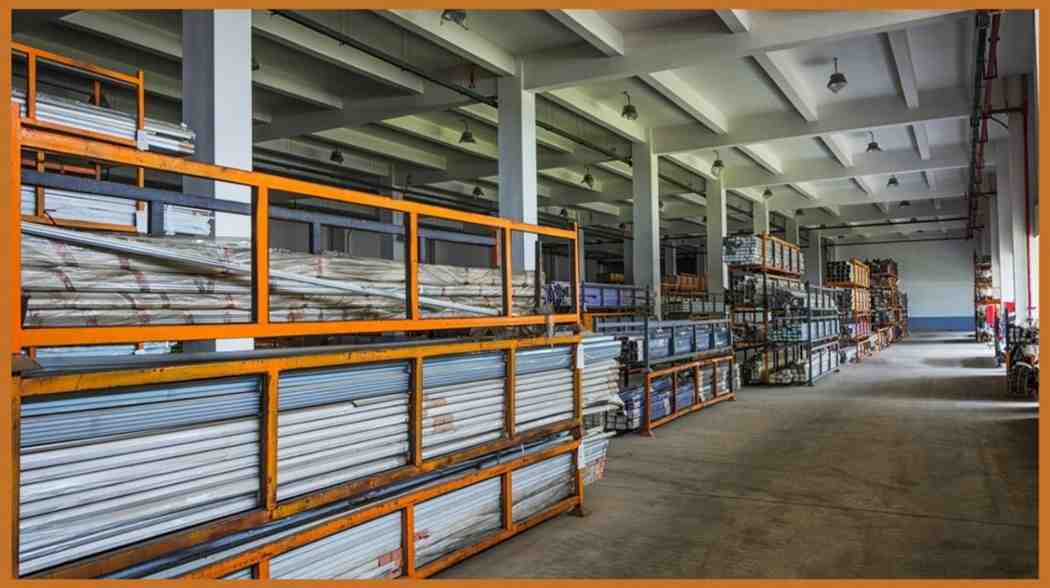
When people think of “commercial shelving,” they often picture massive warehouses or industrial factories. However, these systems are increasingly popular in residential garages because they solve the one problem flimsy home storage cannot: durability.
Strength and Durability
Standard domestic shelving is often made from lightweight plastic or thin metal. It might hold a few paint cans, but stack a heavy toolbox or a lawnmower engine on it, and you will see it start to bow. Commercial shelving is engineered to withstand significantly higher loads. We are talking about units capable of holding hundreds of kilograms per shelf without flinching.
Designed for Heavy Loads
Whether you are storing bags of cement, heavy power tools, or boxes of stock for your e-commerce business, commercial units are built for weight. They offer peace of mind. You don’t have to worry about a shelf collapsing in the middle of the night, potentially damaging your car or expensive equipment.
Versatility for Bulky Items
Commercial units are generally deeper and taller than standard home options. This extra dimension is crucial for storing bulky items like camping gear, large storage tubs, and seasonal equipment that simply won’t fit on narrow shelves.
Types of Commercial Shelving Suitable for Garage Storage
Not all industrial shelving is the same. Different designs suit different needs, from damp environments to heavy machinery storage. Here are the top contenders for a garage setup.
Rivet Shelving
Rivet shelving is a favourite for a reason. It is incredibly strong and remarkably easy to assemble. It uses a boltless design where horizontal beams slide into vertical posts using rivets. All you usually need is a rubber mallet to tap everything into place. Because there are no fiddly nuts and bolts, you can have a robust storage wall up in minutes. It offers a high weight capacity, making it perfect for heavy boxes and tools.
Steel Shelving Units
For sheer longevity, steel shelving is hard to beat. These units are rigid, stable, and resistant to knocks and bumps. If your garage doubles as a workshop where things might get knocked around, steel is the way to go. They are easier to keep clean than wood and won’t absorb oil or grease spills, which is a major plus for mechanics and hobbyists.
Adjustable Boltless Shelving
Flexibility is key in a garage. One month you might need space for tall gardening tools; the next, you need tight spacing for rows of screw organisers. Adjustable boltless shelving allows you to change the height of the shelves quickly without dismantling the entire unit. As your garage storage needs evolve, your shelving evolves with you.
Wire Shelving
Garages can be damp, cold places. Solid shelves can sometimes trap moisture underneath boxes, leading to mould or rust. Chrome or epoxy-coated wire shelving allows air to circulate freely around your items. This ventilation is vital for storing textiles, camping gear, or documents. Plus, the open wire design offers better visibility, so you can see what is on the top shelf without needing a stepladder.
Heavy-Duty Pallet Racking (Mini Versions)
If you have a serious workshop or a large double garage, you might consider mini pallet racking. These are scaled-down versions of the racking used in logistics centres. They are designed for the heaviest loads—think engine blocks, large machinery, or pallets of materials. While overkill for storing Christmas decorations, they are indispensable for serious tradespeople.
How to Maximise Your Garage Storage Space
Buying the shelves is step one. arranging them effectively is step two. To truly transform your garage, you need a plan.
Assess Your Vertical Space
Most people look at the floor; you need to look at the walls. Your garage likely has high ceilings that are completely wasted. Measure your available wall space and vertical clearance. Opt for taller shelving units that go as high as possible. You can store seldom-used items (like the Christmas tree) on the very top shelves, leaving the lower levels for daily essentials.
Mix and Match Your Units
Don’t feel restricted to just one type of shelf. A smart layout often uses a combination. You might place deep steel racks along the back wall for heavy storage and narrower wire shelving near the door for easy access to shoes and coats. Using a mix of tall units and shorter workbenches allows you to create a functional workspace alongside your storage.
Zone Your Garage
Treat your garage like a department store. Create distinct zones for different categories.
- The Garden Zone: Rakes, spades, mower, and potting soil.
- The Sports Zone: Bikes, balls, rackets, and helmets.
- The Workshop Zone: Tools, hardware, and timber.
- The Household Zone: Cleaning supplies, pantry overflow, and decorations.
By keeping categories together, you stop the “where did I put that screwdriver?” panic.
Visual Organisation
Commercial shelving is deep, so things can get lost at the back. Use clear plastic storage containers rather than opaque cardboard boxes. Being able to see the contents at a glance saves heaps of time. Label everything clearly. A simple label maker is one of the best investments you can make for garage organisation.
Safety Considerations
With great storage capacity comes great responsibility. Commercial shelving holds heavy weights, so safety is paramount.
Secure Your Shelving
It is absolutely critical to anchor your shelving units to the wall or floor. Even a heavy-duty rack can become unstable if it is top-heavy and someone bumps into it—or if a child tries to climb it. Use proper masonry bolts or wall anchors suited to your garage’s construction (brick, breeze block, or stud wall).
Distribute Weight Correctly
Always load the heaviest items on the bottom shelves. This lowers the centre of gravity and makes the unit far more stable. Lighter boxes and items should go higher up. Never exceed the manufacturer’s weight limit for an individual shelf level.
Regular Checks
Garages experience temperature fluctuations that can loosen bolts over time. Once or twice a year, give your shelving a quick inspection. Check for any signs of rust, bending metal, or loose connections. A quick tighten with a spanner or a tap with a mallet can prevent accidents.
Additional Accessories & Complementary Storage
To get the absolute most out of your commercial shelving, consider adding accessories.
- Storage Bins and Dividers: These keep small items from rolling around on large shelves.
- Hooks and S-Hooks: Great for hanging items off the side of wire shelving or racking uprights.
- Overhead Racks: For items you use once a year, ceiling-mounted racks are a brilliant way to use the “dead space” above the garage door.
- Workbenches with Integrated Shelving: If you fix things in your garage, a sturdy workbench that matches your shelving system creates a seamless, professional look.
Conclusion
Upgrading to commercial shelving is an investment in your home and your sanity. By choosing robust, industrial-grade solutions like rivet shelving or steel units, you move away from the cycle of replacing broken plastic racks and towards a permanent storage solution.
Take a weekend to measure your space, clear out the clutter, and install a system that actually works. You will be amazed at how much floor space you reclaim—perhaps even enough to finally park the car in there.
