



Men’s fashion has undergone a quiet but meaningful transformation in recent years. Instead of relying on rigid categories, business, weekend, formal, today’s wardrobes reflect fluid routines and a more thoughtful approach to personal style. The modern man values pieces that are versatile, comfortable, and refined enough to move between roles without effort. It’s why wardrobe staples such as a mens beige cardigan have become popular in everyday dressing, offering a blend of polish and ease that aligns with the new smart-casual standard. This shift isn’t just a trend; it represents a broader cultural movement toward intentionality in how men present themselves.
The Meaning of Smart Casual Today
Smart casual once carried a vague definition, neither too formal nor too relaxed, but in 2026, the term carries clearer meaning and purpose. It reflects the desire to appear put-together without feeling restricted. Structured comfort has become the foundation of smart casual style: clothing that allows for movement, feels good throughout the day, and still communicates a sense of refinement.
The lines between work, leisure, and social life have blurred, and wardrobes have evolved in response. Men increasingly want clothing that adapts to each part of their day without requiring multiple outfit changes. A polished knit, tailored trouser, clean sneaker, or understated cardigan can transition effortlessly from a morning meeting to lunch with friends or an evening out.
This balance, casual intention paired with understated elegance, is what defines the modern version of smart casual.
Why Comfort No Longer Conflicts With Style
For generations, men’s clothing often reinforced the idea that dressing well required sacrificing comfort. Tailored suits, stiff collars, and heavy fabrics dominated professional wardrobes. But the shift toward hybrid work, flexible schedules, and a greater emphasis on personal wellbeing has reframed the conversation entirely.
Comfort is no longer a compromise; it is a core pillar of good design. When clothing feels good, men wear it confidently and consistently. The smart-casual wardrobe embraces breathable fabrics, soft textures, and silhouettes that allow a natural range of motion, proving that comfort and style can coexist in a single garment.
Cardigans, knitwear, and lightweight layering pieces exemplify this balance. They offer structure without rigidity and polish without pretense. A single thoughtfully chosen piece can elevate an outfit without forcing it into formal territory.
The Rise of Intentional, Minimalist Wardrobes
Another force shaping the smart-casual movement is minimalism, not the absence of style, but the intentional curation of it. Men today prefer fewer items of better quality, opting for pieces that feel timeless rather than trend-dependent. This mindset has reshaped the landscape of daily dressing.
Instead of crowded closets filled with items worn once or twice, men are building collections of essentials that work harmoniously across multiple settings. Neutral tones, textured knits, clean lines, and durable fabrics support this shift toward versatility.
This philosophy aligns closely with guidance from the Council of Fashion Designers of America, which highlights the growing consumer movement toward thoughtful, sustainable wardrobe building rooted in long-lasting fabrics and everyday functionality. As men embrace smarter purchasing decisions, smart casual becomes not just a style but a framework for intentional living.
The Importance of Texture and Layering
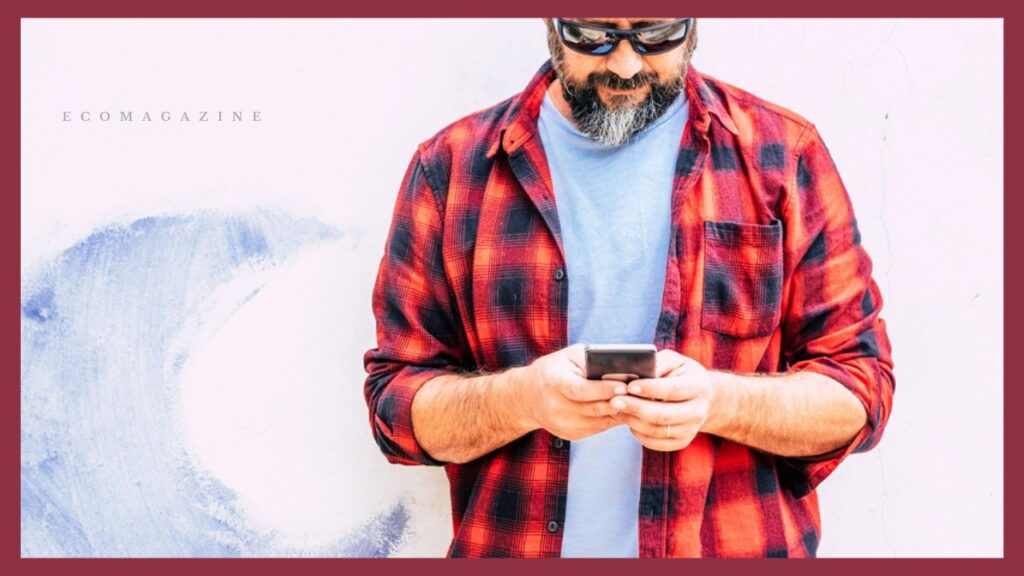
Texture has become a defining element of the smart-casual aesthetic. Instead of relying solely on color or pattern, men are experimenting with fabrics that add depth and warmth to an outfit. Knitwear, ribbed cardigans, soft wool blends, and structured cotton pieces provide both visual richness and functional comfort.
Layering plays an equally important role. A polished cardigan layered over a simple T-shirt or button-down creates an effortlessly elevated look without feeling overly styled. Layers adapt easily to shifting temperatures, varying social environments, and the unpredictability of modern schedules.
Texture and layering together allow men to build outfits that feel individualized yet uncomplicated, core principles of the smart-casual approach.
Versatility as the New Measure of Style
Smart casual thrives on versatility. A single outfit should be able to move through different parts of the day without losing shape or intention. This demand for adaptability has changed the way men assess clothing. Pieces that once seemed too casual or too formal are now reevaluated based on how well they integrate into a multi-purpose wardrobe.
The mens beige cardigan is an example of this shift: equally at home in the office, at dinner, or during travel. Styled over denim, it feels relaxed; paired with chinos, it becomes refined. Versatility ensures longevity, and longevity has become a priority for men who want style that remains relevant across seasons.
Personal Expression Within a Simplified Framework
One of the most interesting developments in men’s fashion is how smart casual supports personal identity. Far from being restrictive, the streamlined wardrobe allows men to express themselves through subtle choices, textures, colors, silhouettes, and thoughtful layering.
This framework removes the pressure of performing fashion in an exaggerated way and replaces it with authenticity. Men have the freedom to refine their look without feeling overdone. It reflects a maturing aesthetic: style rooted not in attention-seeking, but in confidence and coherence.
Smart Casual as a Reflection of Modern Values
Ultimately, the rise of smart casual is not only about clothing. It reveals something deeper about how men want to live. They want stylish looks that still feel comfortable. Want routines that feel manageable and expressive. They want wardrobes that respect their time, energy, and evolving lifestyles.
Smart casual meets these needs by blending practicality with intentionality. It respects individuality and embraces simplicity. It allows men to step into daily life with ease, whether navigating a professional environment or enjoying time off.
As more men adopt this mindset, the smart-casual movement will continue to influence the cultural understanding of men’s fashion, less rigid, more adaptive, and centered around a thoughtful balance between comfort and elegance.
