

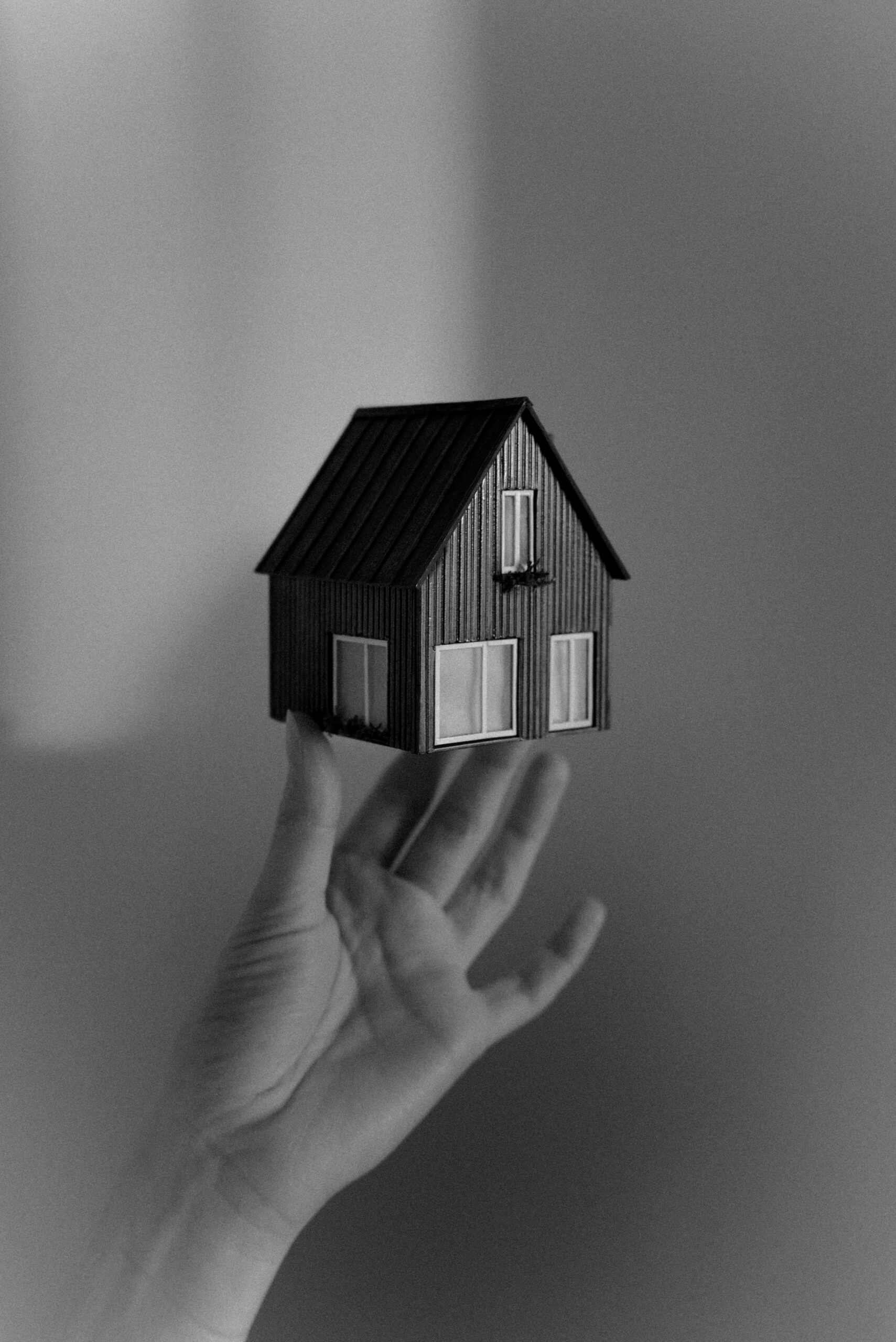
When we think about the environmental impact of housing, we often focus on energy efficiency, insulation, or heating systems. Much less attention is paid to the less visible cost that’s built into how homes are bought and sold. And it’s not just stressful for homeowners. Lengthy property transactions, delayed completions, and broken chains all leave a trail of waste, energy use, and inefficiency.
Viewing property sales and their progress toward closure as a system, rather than a single process or transaction, sheds light on how delays can cumulatively cause real environmental harm.
How Long Property Chains Create Hidden Waste
A typical house sale involves many layers: valuations, surveys, legal checks, and often several connected buyers and sellers. When sales take months or fall apart completely, every step can repeat several times over.
You may survey the same home more than once if buyers change. Legal paperwork is reissued. Viewings and inspections require travel. Each of these practices is relatively minor in the grand scheme, but they result in an unavoidable waste of time, materials, and efficiency.
There is also the problem of homes stranded in limbo. Vacant properties that remain empty during a long sale are often still heated to prevent damp, keep pipes from freezing, or prevent structural damage. Even at low levels, heating an empty home during winter uses energy and offers no rewards.
Other times, sellers put a hold on renovation or energy-efficiency projects while awaiting the sale to close. Scheduled upgrades are postponed or scrapped, so homes don’t reach their full potential. The longer a transaction takes, the longer inefficiencies get locked in.
Reducing Delays to Reduce Environmental Impact
Speed is not typically posed as a sustainability question, but when it comes to housing, it does matter. The sooner a home passes from one owner to the next, the faster clear decisions can be made about its future, whether refurbishment, retrofit or redevelopment.
For some homeowners, especially those with vacant properties or homes in severe disrepair, seeking an alternative to lengthy sales processes is a common concern. One option is to sell your house to a cash home buyer, eliminating long chains and the risk of delays. With less stage-setting and uncertainty, homes can move faster to the owners who are ready to act.
This is not about which route to promote. Rather, it shows how efficient planning can reduce wasteful energy use and prevent houses from going empty. From an environmental standpoint, a house that’s actively being improved or inhabited is almost always better than one stuck in months of limbo.
There is more to sustainability in housing than just what we build or how we heat our homes. It also has to do with how well we manage the systems that support them. Long, sluggish property sales can quietly contribute to squandered energy, crippled urban improvements and underutilised buildings.
By recognising the environmental cost of delays and thinking about how to minimise them, homeowners, buyers and the broader housing sector can make decisions that are not only practical but also more virtuous. There are times when the greener alternative isn’t a new technology at all but an easier way forward.
