



Sustainability isn’t just a trend, it’s becoming a practical, everyday mindset for homeowners looking to extend the life of their vehicles and reduce unnecessary waste. Modern car-care tools and smarter garage practices can significantly cut down on resource use, improve efficiency, and help vehicles run cleaner for longer. Many drivers are turning to reliable resources such as My Garage Supplies to better understand equipment, safety, and maintenance habits that support both vehicle longevity and eco-friendly living.
As home garages evolve into more intentional, organized workspaces, simple sustainable habits can make a measurable difference, not just for the environment, but for your wallet and your vehicle’s long-term health.
1. Create a More Efficient Garage Layout for Less Waste
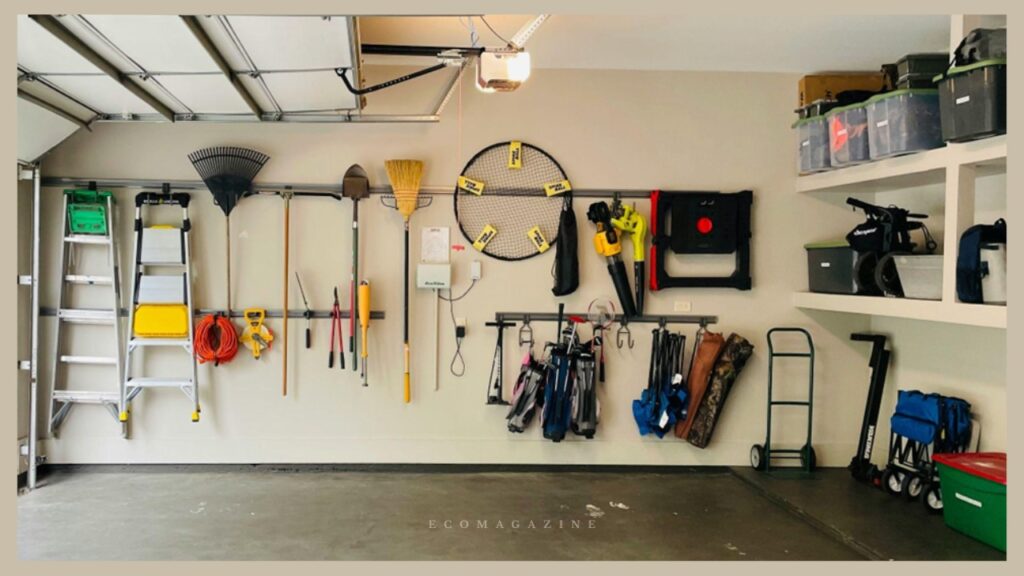
A cluttered garage often leads to duplicate purchases, misplaced supplies, and poor maintenance habits. Setting up dedicated zones for tools, fluids, and equipment helps reduce waste and encourages routine care.
Wall-mounted racks, labeled containers, and portable tool carts not only make work easier, they help you keep track of what you already own. A well-organized space naturally leads to better maintenance choices over time.
2. Use Tools That Improve Safety and Reduce Excess Material Use
Eco-friendly car care often begins with using the right equipment. For example, choosing durable, long-lasting tools, such as proper lifts, drain pans, or fluid extractors, reduces the need to replace cheap tools that end up in landfills.
Additionally, using the correct equipment ensures fewer mistakes, less material waste, and more accurate work. Precision tools also help prevent unnecessary part replacements caused by improper DIY repairs.
3. Follow Safe Disposal Guidelines for Fluids and Chemicals
Oil, coolant, brake fluid, and solvents should never be thrown into the trash or poured down drains. The Environmental Protection Agency notes that improper disposal of automotive fluids is a leading cause of soil and water contamination in residential communities.
Using sealed containers, designated storage shelves, and proper recycling drop-offs ensures your garage stays compliant with environmental guidelines while preventing leaks and contamination.
4. Upgrade to Longer-Lasting, Reusable Products
Many everyday car-care supplies now come in sustainable or reusable versions, including:
- washable microfiber towels
- refillable spray bottles
- reusable oil absorbent pads
- eco-friendly cleaners
- high-quality protective gloves designed for multiple uses
These alternatives not only reduce waste but also save money over the long term.
5. Maintain Tire Health to Improve Efficiency
Proper tire maintenance is one of the most overlooked sustainability habits. Under-inflated or misaligned tires create excess drag, use more fuel, and wear out faster, contributing to premature replacements.
Smart tire gauges, portable inflators, and periodic alignment checks help your vehicle run more efficiently. Keeping tires in good condition is one of the easiest ways to reduce environmental impact while boosting driving performance.
6. Keep Up With Routine Maintenance to Avoid Bigger, Wasteful Repairs
Deferred maintenance is costly, not only financially but environmentally. When small issues are ignored, they often lead to bigger repairs that require more parts, more fluids, and more energy to fix.
Sustainable home garages prioritize:
- regular oil changes
- timely air-filter replacements
- proper fluid top-offs
- seasonal inspections
- rust prevention and cleaning routines
These small steps dramatically reduce the frequency of replacements and extend the life of your vehicle.
7. Choose Energy-Efficient Tools and Lighting
LED garage lights, low-voltage chargers, and energy-efficient air compressors use significantly less electricity than older models. For homeowners spending more time on DIY upkeep, upgrading electrical efficiency is a simple way to create a greener workspace without sacrificing performance.
8. Invest in Equipment That Supports Long-Term Maintenance
Tools that keep vehicles safely lifted, stabilized, and accessible make sustainable upkeep easier to maintain. For example, understanding proper lift installation, such as when a four-post lift does or does not require bolting, helps ensure safe, efficient work without unnecessary equipment damage.
High-quality lifts, creepers, floor jacks, and stands reduce the likelihood of rushed or hazardous repairs, making maintenance safer and more effective.
9. Keep a Maintenance Log to Prevent Overuse of Resources
Whether digital or handwritten, a maintenance log helps track mileage, service dates, and part replacements. This prevents unnecessary oil changes, duplicate purchases, or missed maintenance that leads to wasteful major repairs.
It’s one of the simplest habits that has long-term sustainability benefits.
Sustainability in the Garage Starts With Small, Smart Choices
Modern car care doesn’t require a complete overhaul, just a shift toward tools and habits that reduce waste, improve safety, and extend vehicle life. From proper fluid disposal to using durable equipment, these practices make home garages more efficient and environmentally responsible.
