


Early Life and Sporting Roots
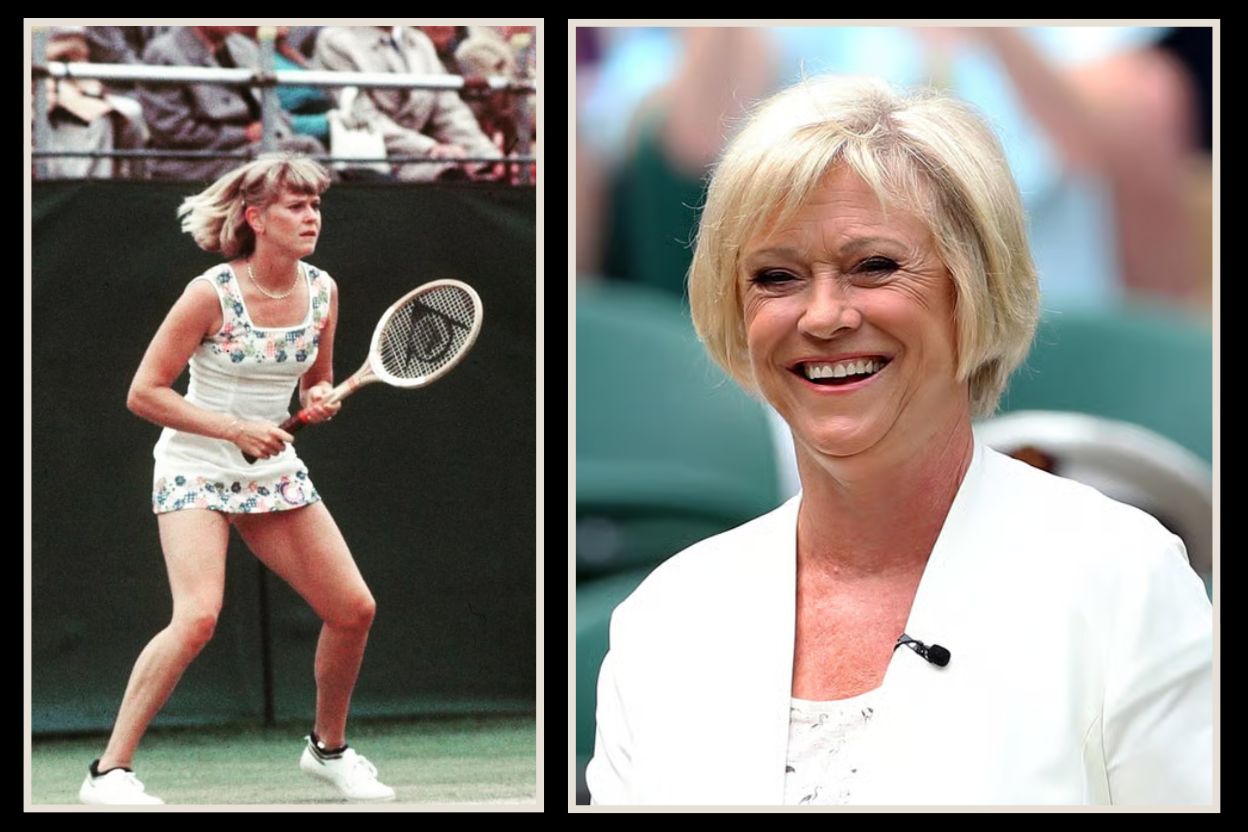
Sue Barker was born in April 1956 in Paignton, Devon, England. From a young age, she showed strong energy and focus. Her parents supported her love for sports, especially tennis. As a child, she trained hard and spent long hours on the court. That discipline shaped her future career.
Unlike many young players, she did not come from a wealthy sports family. However, she had determination and natural talent. Therefore, she progressed quickly through junior tournaments. By her teenage years, she already competed at a high level. Coaches noticed her powerful groundstrokes and calm attitude under pressure.
In addition, Sue Barker tennis skills developed during a time when women’s tennis was becoming more competitive. The 1970s marked a new era for the sport. As a result, she grew alongside a generation of strong female athletes who changed the game forever.
Rise to Professional Tennis Stardom
Breakthrough in the 1970s
Sue Barker turned professional in the 1970s. Soon after, she began making headlines. She competed in major tournaments across Europe and beyond. Her style of play relied on strong baseline shots and mental strength. Because of that approach, she handled high-pressure matches with confidence.
Her biggest achievement came in 1976 when she won the French Open. That victory placed her among the elite players in the world. It also proved that British players could dominate international tournaments. Consequently, her success inspired many young athletes back home.
Throughout her tennis career, she won 15 singles titles. Moreover, she achieved a career-high ranking of world number three. These accomplishments confirmed her place among the top competitors of her era.
Grand Slam Success and Career Highlights
Winning the French Open was not her only success. She also reached semi-finals and quarter-finals in other Grand Slam events. Although she did not win Wimbledon as a player, she performed strongly there. British fans admired her fighting spirit on grass courts.
Furthermore, she represented Great Britain in the Fed Cup. Her commitment to the national team strengthened her reputation. In many matches, she displayed leadership and determination. Even when facing tough opponents, she maintained composure.
Eventually, injuries and physical strain influenced her decision to retire from professional tennis. Nevertheless, her impact on British tennis remained powerful. Her transition to media would soon begin another successful chapter.
Transition from Court to Camera
Becoming a Sue Barker Presenter
After retiring from tennis, Sue Barker did not step away from the spotlight. Instead, she entered television broadcasting. At first, the shift from athlete to commentator seemed challenging. However, her deep knowledge of the sport gave her a clear advantage.
As a Sue Barker presenter, she quickly gained respect. Viewers appreciated her calm voice and clear explanations. She understood the emotions players felt because she had experienced them herself. Therefore, her analysis felt authentic and relatable.
In addition, producers recognized her natural confidence on camera. Over time, she became one of the most trusted sports broadcasters in the United Kingdom. Her presence brought credibility and warmth to every program.
Sue Barker TV Presenter at Wimbledon
Her most iconic role came when she hosted the BBC coverage of Wimbledon. As a Sue Barker TV presenter, she became the face of the tournament for nearly three decades. Each summer, millions of viewers watched her interviews with top players.
She asked thoughtful questions and created relaxed conversations. Consequently, athletes felt comfortable opening up. Her interviews often revealed emotional stories behind the matches. Because of that skill, audiences felt closer to the sport.
During her tenure, she witnessed historic moments. For example, she interviewed champions like Roger Federer, Serena Williams, and Andy Murray. She also guided viewers through dramatic finals and unexpected upsets. Her calm tone balanced the excitement of live sport.
When she stepped down from her Wimbledon hosting role in 2022, fans felt deep appreciation. Her farewell ceremony showed how much respect she earned over the years.

Personal Life and Public Interest
Cliff Richard and Sue Barker
Beyond tennis and television, her personal life also attracted attention. In the 1980s, Cliff Richard and Sue Barker were in a well-known relationship. Their romance received media coverage because Cliff Richard was already a famous singer.
Although the relationship eventually ended, they remained respectful toward each other. Importantly, Sue Barker focused on her career and private life rather than public drama. She rarely discussed personal matters in interviews. That choice helped her maintain dignity and privacy.
Even today, discussions about Cliff Richard and Sue Barker appear in retrospectives of British pop culture. However, her professional achievements always stand at the center of her legacy.
Life Away from the Spotlight
Away from television studios, she enjoys a quieter lifestyle. She has expressed love for countryside living and spending time with friends. In addition, she supports various charitable causes connected to sports and health.
Because she experienced professional pressure firsthand, she understands the mental challenges athletes face. Therefore, she often speaks about resilience and confidence. Her advice reflects wisdom gained through decades of experience.
Influence on British Sports Media
Sue Barker changed how sports presenters operate in the United Kingdom. Before her era, many broadcasters lacked direct playing experience. However, she combined expert knowledge with warm communication. As a result, she set a new standard.
Her approach balanced professionalism with empathy. She respected athletes while asking meaningful questions. Furthermore, she avoided sensationalism. That style built trust among viewers.
Young presenters often mention her as a role model. They study her interview techniques and composure. In addition, her career proves that former athletes can build long-term success in the media.
By 2025 and 2026, sports broadcasting will continue to evolve with digital platforms and streaming services. Nevertheless, her influence remains visible. Many networks now prioritize former players as analysts, following the path she helped create.
Recognition and Awards
Throughout her career, she received multiple honors. She became an Officer of the Order of the British Empire (OBE) for services to broadcasting and charity. That recognition reflected her contribution beyond tennis.
Moreover, sports organizations celebrated her achievements both on and off the court. Tennis clubs across Britain still reference her French Open victory as a historic milestone. Consequently, her name remains part of national sporting history.
Television awards also acknowledged her long service. Although she often remained modest about these achievements, colleagues praised her dedication. She prepared carefully for every broadcast and treated each event with seriousness.
Legacy in Tennis
Inspiring Future Generations
Sue Barker tennis legacy extends beyond statistics. Young players, especially in Britain, saw her as proof that success was possible. Her Grand Slam victory encouraged national programs to invest more in youth development.
Furthermore, she demonstrated that athletes can reinvent themselves after retirement. Many former players now explore media careers because she paved the way.
In addition, her interviews often highlighted respect between competitors. She valued sportsmanship and fair play. Those principles continue to shape modern tennis culture.
Continued Presence in the Sport
Even after leaving regular television hosting, she remains connected to tennis. She occasionally appears at special events and charity matches. Her insights still carry weight among fans and professionals.
By 2026, tennis faces new challenges such as technological changes and evolving audience habits. However, the foundations built by earlier champions remain strong. Her generation helped create the global appeal the sport enjoys today.
Why Sue Barker Remains Relevant in 2025 and Beyond
Sports fans continue to celebrate her contributions because she represents consistency and integrity. In an era of rapid change, her career offers stability and trust.
Moreover, her journey from champion athlete to respected broadcaster shows adaptability. That quality matters greatly in modern careers. She did not rely solely on past glory. Instead, she built new skills and embraced fresh opportunities.
Television archives frequently replay her most memorable interviews. These moments remind audiences of her calm leadership during historic matches. Therefore, her presence still shapes how fans remember major tournaments.
As media platforms expand in 2025 and 2026, documentaries and retrospectives often highlight her influence. Streaming services showcase classic Wimbledon coverage featuring her interviews. Consequently, younger viewers discover her work and learn about her achievements.
Character and Professional Values
Her professionalism stands out as one of her strongest traits. She prepared thoroughly for interviews and respected every athlete equally. In addition, she maintained a balanced tone even during tense moments.
Colleagues describe her as approachable and supportive. She encouraged teamwork in production environments. Because of that attitude, she built long-lasting relationships within broadcasting circles.
Another key quality involves authenticity. She never exaggerated stories for drama. Instead, she focused on facts and human emotion. This honest approach strengthened her connection with audiences.
Conclusion
Sue Barker built a rare dual legacy. First, she conquered international tennis courts with determination and skill. Later, she guided millions of viewers through the world’s most famous tournaments as a trusted presenter. Her journey reflects resilience, adaptability, and dedication.
From her French Open triumph to her role as a Sue Barker TV presenter at Wimbledon, she shaped British sports culture. Her connection to moments like Cliff Richard and Sue Barker added public interest, yet her professional achievements always defined her story.
As 2025 and 2026 unfold, her influence continues through media standards and sporting inspiration. She remains a symbol of excellence both in competition and communication. Therefore, her name holds lasting respect in tennis history and television broadcasting alike.
