


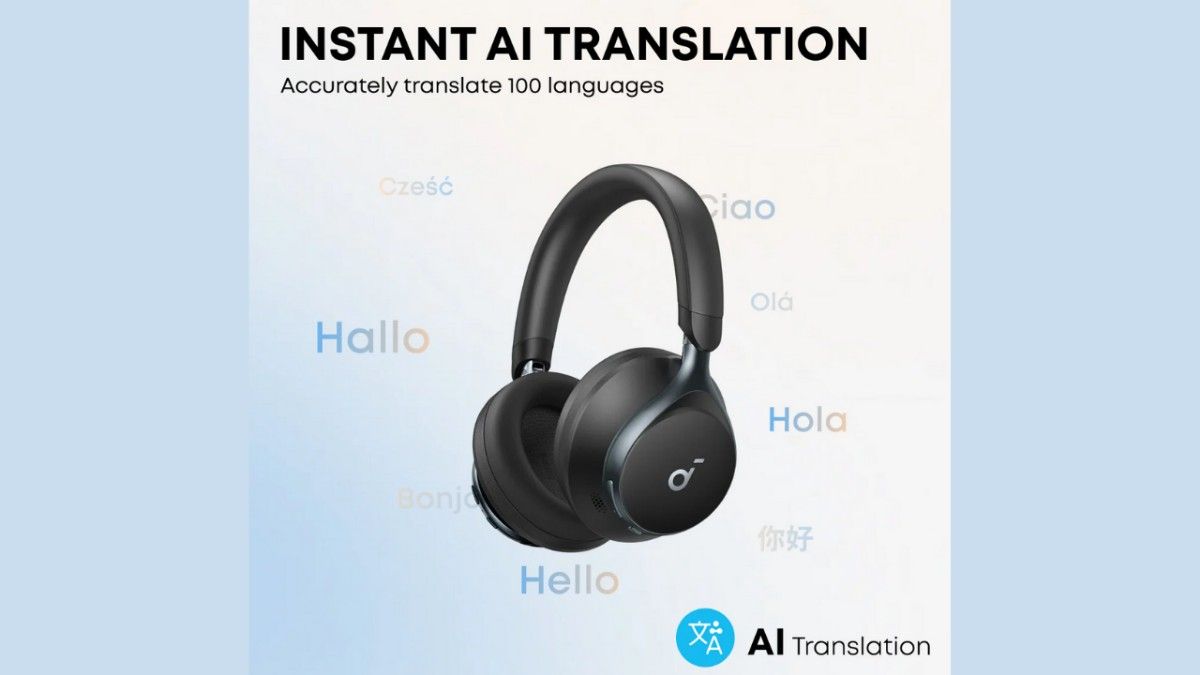
The use of audio technology has transformed the way we learn, work and rest unknowingly. In online classrooms or in common living areas, the need for personal sound control has grown exponentially. Having written and tested audio equipment over a decade. I am now able to state that wireless headphones and noise cancelling earbuds are no longer a lifestyle accessory but a necessity to a modern learner and professional. Their use extends much further than entertainment and directly aids concentration, understanding and long-term comfort.
Wireless Headphones as a Productivity Companion
Wireless headphones have gained their niche as a favorite when it comes to listening over a long period of time. The lack of cables creates freedom of movement. Which especially helps students attending virtual lectures and researchers switching between desks, books, and screens. The first versions of wireless were not very good in sound accuracy. But nowadays they provide balanced sound with good vocal presence and little distortion.
Personally, when I have to work long hours in the editorial. I use wireless headphones to keep me focused without straining my body. Over-ear designs wrap around the ear instead of pressing into it. Which helps reduce fatigue when reading or listening to long books. The development of batteries has also altered the habits of usage. Working multiple days without having to worry about recharging is now a common thing and contributes to reliability in both academic and professional settings.
The quality of microphones is another important benefit. Premium voice pickup guarantees the easy involvement in online discussions, presentations, and interviews. This is why wireless headphones are particularly useful to students who use remote communication as a component of their education.
Noise Cancelling Earbuds in the Real World
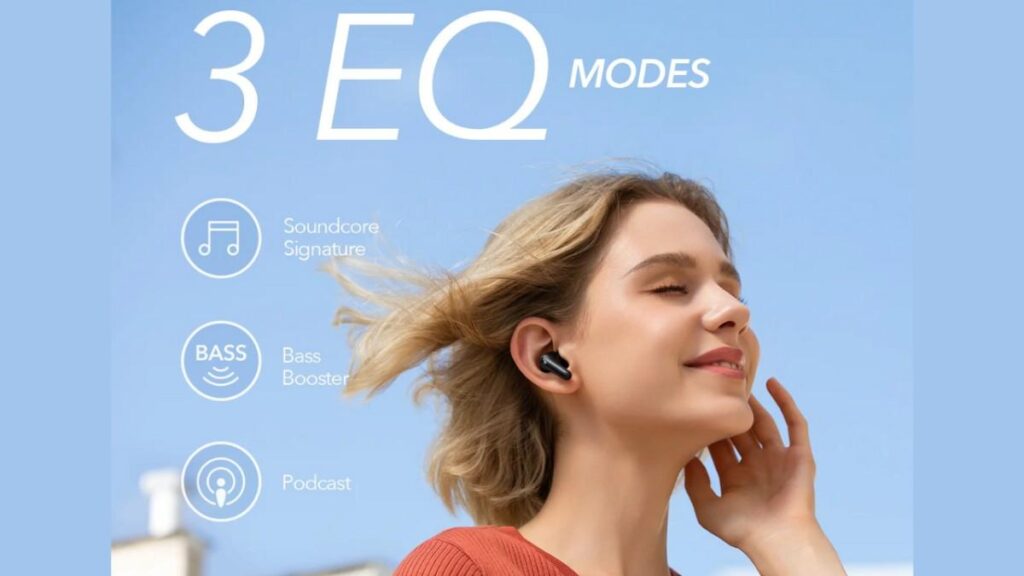
Wireless headphones offer comfort and deep sound, while noise cancelling earbuds actively block distractions in unpredictable environments. These miniature gadgets apply the active noise cancellation to minimize the surrounding noise like traffic, conversations or mechanical hums. Personally, I tend to use noise cancelling earbuds when I am working in a busy environment or travelling. Where I cannot control the amount of noise.
Noise cancellation science has been enhanced. The earbuds of today process the noise around and counter it in real time so that the user can concentrate on speech or study material. This may be of particular use to students who stay in shared rooms or those employees who work in cafes and co-working centers.
Noise cancelling earbuds are also promoting efficient listening. Users experience minimized background noise, so they don’t have to raise the volume too much. When used in a responsible manner, this can help to promote healthier listening habits. They are very small and convenient, allowing users to easily connect and listen to academic podcasts or take a brief study break or revision session while traveling.
Selecting the Right Tool for Academic Needs
The choice between wireless headphones and noise cancelling earbuds is based on the location and method of learning. Wireless headphones suit long, uninterrupted sessions that demand comfort and high sound quality. Noise cancelling earbuds provide mobility and flexibility, making them ideal for noisy environments where you can’t guarantee silence.
According to several years of observation and user feedback, a lot of students can use both options. Wireless headphones serve as a primary study companion at home. While noise cancelling earbuds help during commutes, on campus, or in shared places. This adaptable solution will guarantee the same quality of audio in various learning conditions.
Sound Quality, Focus and Wellbeing
The wireless headphones and the noise cancelling earbuds have both become impressive in terms of sound performance. Nevertheless, it is not only about specifications but the effective use. Mids are clear and controlled bass enhances the understanding of speech, which is essential in lectures and audiobooks. In my professional experience, devices adjusted for clarity rather than heavy bass work better for academic purposes.
There should also be long-term wellbeing. You can avoid discomfort and hearing fatigue by listening at moderate levels, taking frequent breaks, and using ergonomically designed equipment. Quality audio equipment that doesn’t physically distract the learner helps improve concentration and facilitates better learning.
Final Thoughts
Wireless audio is now a part of contemporary education and work. Wireless headphones allow one to focus deeply and be comfortable during long working hours. Whereas noise cancelling earbuds allow one to control the distracting environment. You can improve the learning process, minimize stress, and fit these devices perfectly into various study environments by choosing and using them carefully. The selection of the appropriate audio solution is no longer a matter of luxury but rather the establishment of the environment that will allow you to learn and work optimally.
FAQs
Do wireless headphones work longer in study time?
Wireless headphones are highly applicable in long sessions as they are comfortable, have a stable connection and sound over a long duration.
Do noisy earbuds aid in concentration?
Yes, noise cancelling earbuds do lower the background noise and this can greatly enhance concentration in a crowded or shared setting.
Are costly models necessary to allow students to learn effectively?
It does not necessarily have to be high cost, but good sound balance and comfort in the brands will give better long-term value.
Can noise cancellation be used on a daily basis?
Noise cancellation is not harmful, but people are advised to use moderate levels of noise to safeguard their hearing.
