


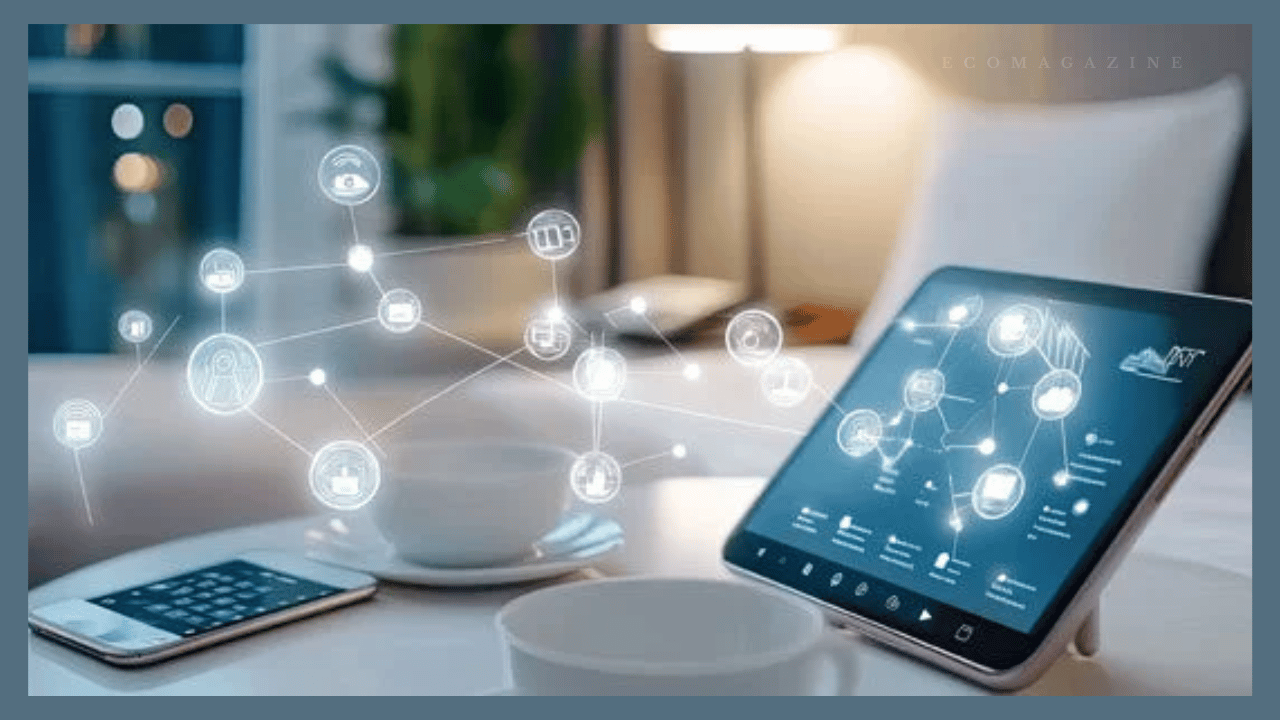
Hotel business is evolving rapidly. Today, guests demand not only a good bed and a clean room but also a personal and smooth experience. It is at this point that Smart Rooms 2.0 comes in. Hotels are also empowering their guests with voice-controlled technology to switch on and off lights, temperature, entertainment and services simply by commanding it.
Voice assistants are not an item anymore, but rather a part of the hotel experience. Smart Rooms 2.0 will bring together convenience, efficiency and personalization which will ensure the future where the hotels provide anticipation of needs even before the guest requests.
The reason behind the popularity of Smart Rooms 2.0
There are a number of reasons why Smart Rooms 2.0 is gaining popular:
Consolation: The visitor will be allowed to turn the chamber on and off without having to hold the buttons.
Well-being and cleanliness: Voice command reduces physical contact, which is very significant in the wake of the latest health issues in the world.
Modification: Rooms are able to be modified based on the needs of the visitor, like their own choice of lighting or favorite TV channels.
Efficiency in hotels: Robots will decrease the workload of employees and enable them to spend more time on guests and provide high-value services to them.
This set of advantages is transforming the expectations of guests and voice-controlled rooms become one of the fads in contemporary hotels.
Voice controlled smart rooms are characterized by the following features
The Smart Rooms 2.0 combine several technologies in order to make the stay more comfortable and user-friendly.
1. Voice-Activated Climate Control and Lighting
Customers are also able to control the brightness or temperature of the rooms by speaking. There are also systems that retain preferences of previous stay, establishing a personalized and uniform experience.
2. Smart Entertainment Systems
Voice assistants enable the guests to select music, movies or streaming services without using their fingers on TV or remote. It also allows seamless media experience as it is integrated with personal devices.
3. Computerized Room Service and Guest Requests
Visitors can use voice activation to have food delivered, towels brought, or even to have their house cleaned. AI systems forward the requests to the staff avoiding wait time and enhancing satisfaction.
4. Individualized Alerts and Notifications
Smart Rooms will be able to give notifications on check out, spa, or breakfast time. Other sophisticated systems even recommend attractions or hotel events depending on the preferences of the visitors.
Technology behind Smart Rooms
Voice-controlled rooms are based on the combination of high tech hardware and software.
- AI Voice Assistants: These comprehend natural language, they handle commands and the replies are fast.
- IoT Gadgets: Detectors and smart gadgets enable the lights, Air Conditioners and TVs to be comfortably managed.
- Distributed Computing: Data stored on the cloud can be individualized, examined, and modified in real time.
- Mobile Integration: Hotel apps are compatible with many systems and enable guests to control the rooms using mobile devices.
This ecosystem makes the experience a flowing automated one but with the human touch where necessary.
Guest and Hotel Advantages
Enhanced Guest Comfort
The voice-controlled rooms are convenient. Visitors can spend time relaxing and do not need to puzzle over remotes, thermostats, and time.
Greater Operational Effectiveness
Automated requests minimize interruptions of the staff. Hotels are able to spend human resources on the more intricate or individualized services.
Data-Driven Personalization
Guest preferences are also gathered anonymously by the hotels, which allows them to customize their future visits. This may be the lighting preferences, favorite facilities or media preferences.
Aggressive Precedence
Modern usage of Hospitality Technology and speech-enabled rooms, the motels are likely to appeal to computer literate visitors seeking present day and unforgettable experiences.
Issues and Objections
Although Smart Rooms 2.0 have several good things, there are also several challenges:
- Privacy Issues: The guests might have an issue with devices listening at all times. Hotels have to be transparent and provide the safety of data.
- Technical Reliability: The systems should be reliable to keep the guests frustrated.
- Implementation Cost: High-tech rooms will involve investment in hardware, software and training of staff.
- Integration: The older properties might require a lot of retrofitting in order to accommodate IoT devices.
By dealing with these challenges attentively, there will be successful implementation of smart and voice-controlled hospitality experiences.
The Future of Smart Rooms
With the advancement in technology, Smart Rooms will be more interactive and more immersive:
- Advanced AI: Future assistants can be proactive and anticipatory make suggestions.
- Translation Services: The guests of other areas will speak in their native languages without any problem.
- Connection with Gadgets: Smartwatches and other equipment would be able to teleoperate the room.
- Virtual World and 3D Interfaces: Guests may explore the room by using 3D Interfaces to see the details.
These innovations present even greater degrees of incorporation, feasibility and regulation.
Final Words
Smart Rooms 2.0 is a step towards innovation in the hospitality industry. It is not a luxury, voice-controlled technology, but it is rapidly turning into the norm of the current traveller. Considering the concept of convenience, customization, and efficiency in the operations, hotels will be able to deliver experiences that can be remembered and loved by the clients and streamline the workflow of the staff.
The future of the hospitality industry will be smarter, more intuitive, and enjoyable to all as more hotels embrace the systems.
FAQs
1. Are privacy voice-controlled rooms safe?
Yes. The trustworthy hotels are sure that the devices can listen to the wake words only, encrypt the information, and adhere to the privacy regulation. One is generally notified of the data usage.
2. Does Smart Rooms 2.0 support older hotels?
Yes, but old homes might need to be retrofitted or be provided with voice control modular devices without renovations.
3. Are these rooms additive to the cost of operation?
The cost may be high on the initial investment, however the automated systems can minimize the staff workload and enhance efficiency which saves costs in the long term.
4. What about voice control of room features by guests?
Lights, temperature, entertainment, and services can be adjusted by voice control. A lot of systems are also integrated with mobile applications to provide further control.
5. Will voice controlled rooms substitute hotel employees?
No. These systems help the staff to make simple tasks automated and human employees to concentrate on personal high value interactions.
